9 hr
DMZ Tour with North Korean Defector Q&A
- Expert local guide
- Small group
- Skip-the-line access
- Free cancellation
DMZ Tour from Seoul Private — Exclusive Custom Itineraries
Tailored access to the Third Tunnel, defector interviews, witness the world's most fortified border.
Compare fares, pick the fit — all bookings are mobile-voucher and eligible for free cancellation where shown.
9 hr
7 hr
9 hr
| Experience | Duration | Rating | Pickup | Skip-the-line | Guide | Small group | Price | |
|---|---|---|---|---|---|---|---|---|
|
Guided Experience
Most popular
DMZ Tour with North Korean Defector Q&A
|
9 hr | ★ 4.9 | ✓ | ✓ | ✓ | ✓ | €44 | Book → |
|
Guided Experience
DMZ 3rd Tunnel & Suspension Bridge Day Tour from Seoul
|
7 hr | ★ 5.0 | ✓ | ✓ | ✓ | ✓ | €40 | Book → |
|
Guided Experience
Seoul DMZ Tour with JSA Museum & Optional Defector Talk
|
9 hr | ★ 4.9 | ✓ | ✓ | ✓ | ✓ | €40 | Book → |
Worth it for deep insight seekers
A dmz tour from seoul private tour costs significantly more than the standard 9,200 KRW base entrance fee for independent DMZ Peace Tour access, typically ranging from mid-tier group packages to premium private arrangements with defector interviews. What you gain is tailored pacing, direct access to North Korean defectors for extended Q&A sessions, and expert guides who navigate the complex permit requirements and restricted zones without the rush of large coach groups. Private dmz tour from seoul private tours justify the premium if you want substantive conversation about life across the demarcation line rather than surface-level photo stops at the Third Tunnel or Dora Observatory. The value equation tilts toward travelers prioritizing educational depth over budget efficiency—you're paying for exclusive storytelling and flexible itineraries that linger at sites like Imjingak Park or the Freedom Bridge when group tours have already moved on. For casual visitors content with the basic narrative, the standard entry and group dmz tour from seoul private tickets deliver adequate exposure to the demilitarized zone without the added investment.
Bottom line: Private arrangements deliver unmatched narrative depth if exclusive defector access and custom pacing justify three to five times the standard group cost.
They complement different travel styles; most visitors who prioritize flexibility and direct engagement call a dmz tour from seoul private option the more personalized experience, while group tours offer cost-effective access to these historic Korean landmarks.
|
Top pick Private DMZ Tour |
Group Bus Tour | |
|---|---|---|
| Duration | 6–8 hours | 5–11 hours |
| Price | Higher (customized) | 50,000–80,000 KRW |
| Transportation | Dedicated vehicle | Shared shuttle bus |
| Guide | Dedicated personal guide | Group/shared guide |
| Booking Lead Time | 1–2 days | 1–2 days |
| Group Size | Private/exclusive | Large group |
| See tickets & prices |
Verdict: If you want a deeper, tailored narrative with door-to-door convenience, the private dmz tour from seoul private tour is superior, whereas group dmz tour from seoul private tickets remain the standard for those seeking a budget-friendly way to navigate these sites.
Hand-picked experiences loved by thousands of travelers
7 - 8.5 hours
Free Cancellation
Visit the Korean border zone, meet a North Korean defector, and explore historic infiltration tunnels
7 hours
Free Cancellation
Journey to the world's most fortified border and hear firsthand accounts from someone who escaped
6 hours
Free Cancellation
Explore the Korean Demilitarized Zone guided by former soldiers who served on the front lines
8 hours
Free Cancellation
Journey to the Korean border for an 8-hour exploration of the demilitarized zone with tunnel access and observatory views
8 hours
Free Cancellation
Journey beyond the tourist zone to Korea's most intense Cold War frontier with tunnel access and lunch
10 hours
Free Cancellation
Explore the Korean border on a personalized full-day journey to the Demilitarized Zone with expert commentary
7 - 9.5 hours
Free Cancellation
Explore Korea's divided history at the DMZ with private transport, expert guide, and stunning mountain views
10 hours
Free Cancellation
Design your perfect day exploring Seoul and beyond with a dedicated driver and comfortable private vehicle
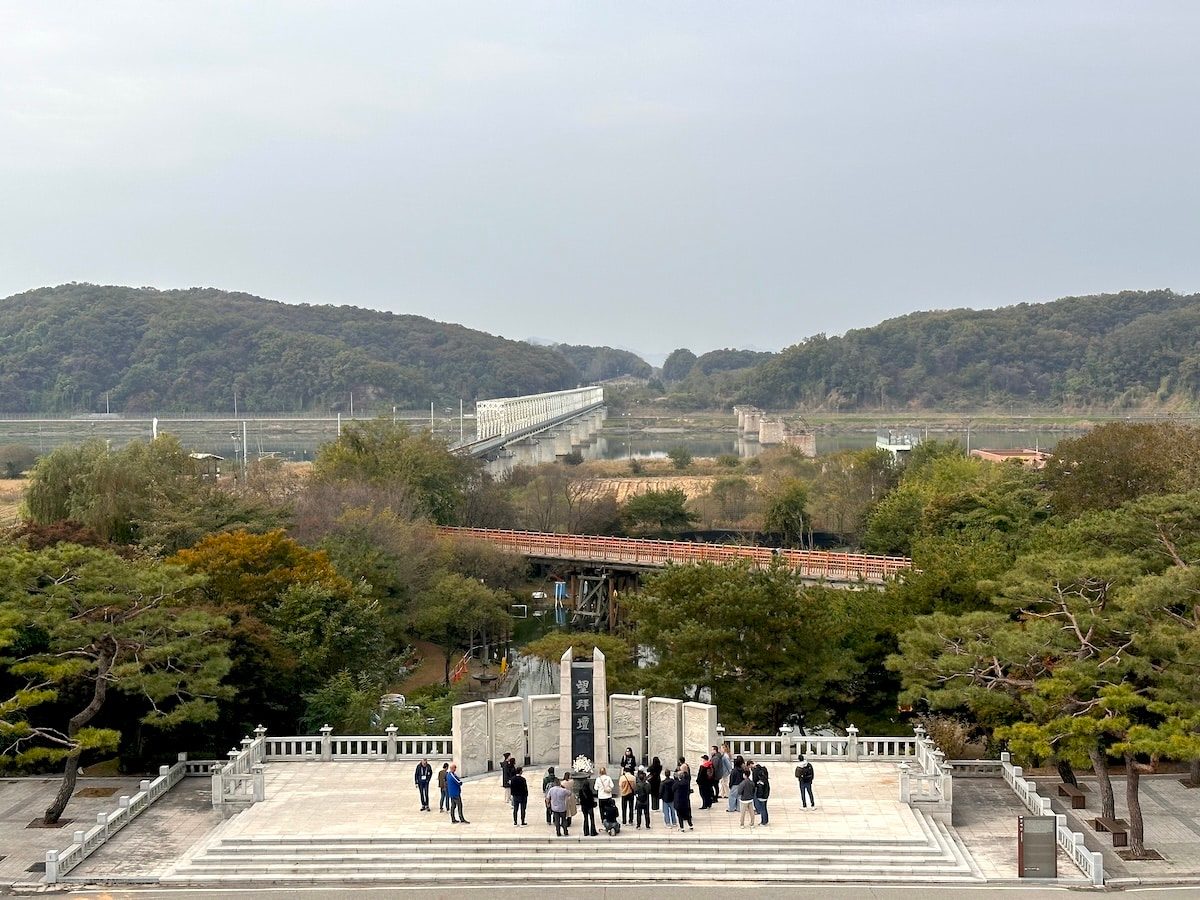
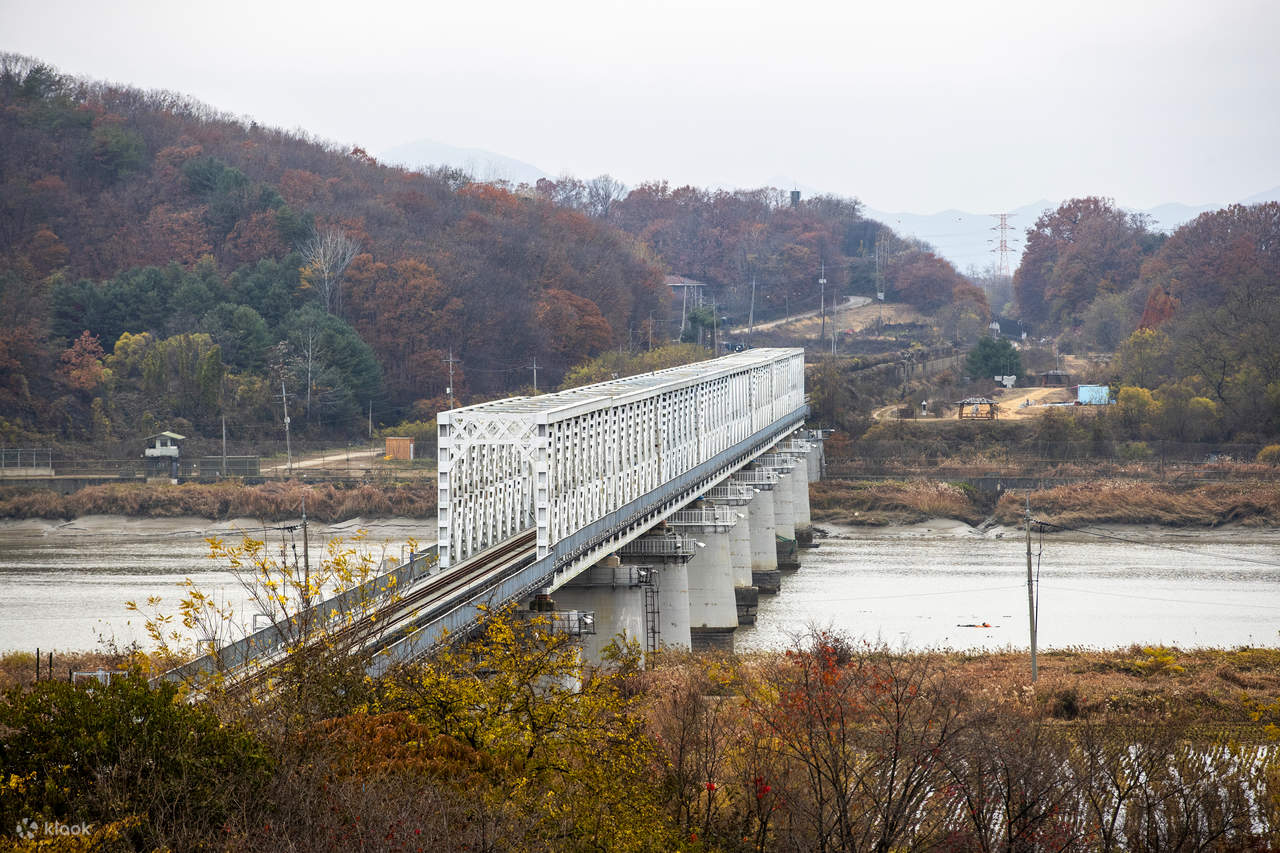
Explore the Freedom Bridge and memorial monuments.
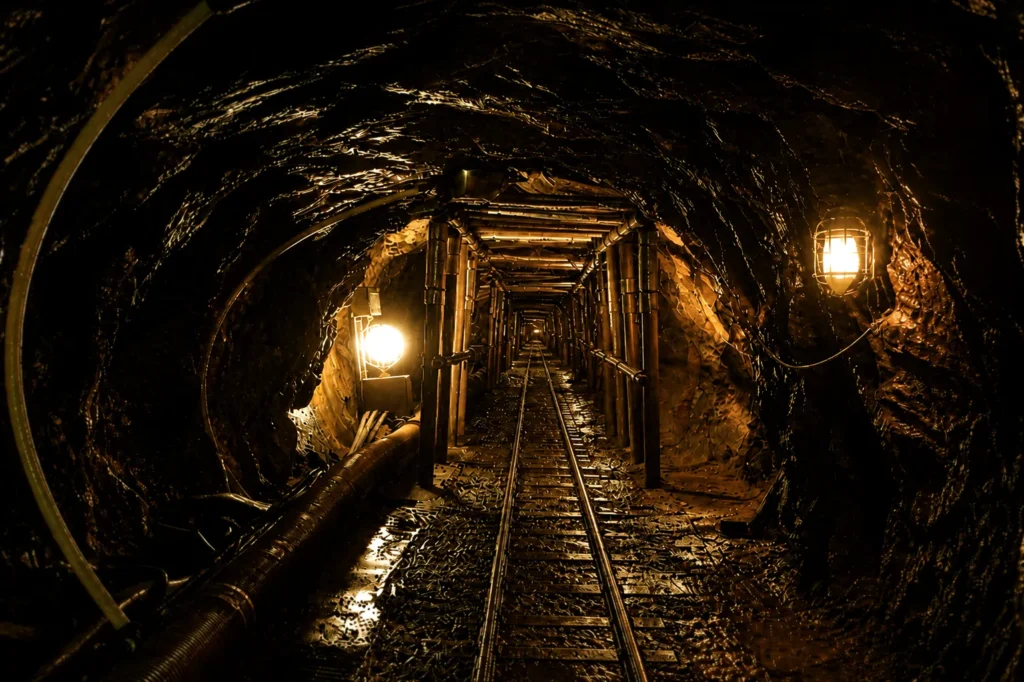
Descend into the infiltration tunnel discovered in 1978.
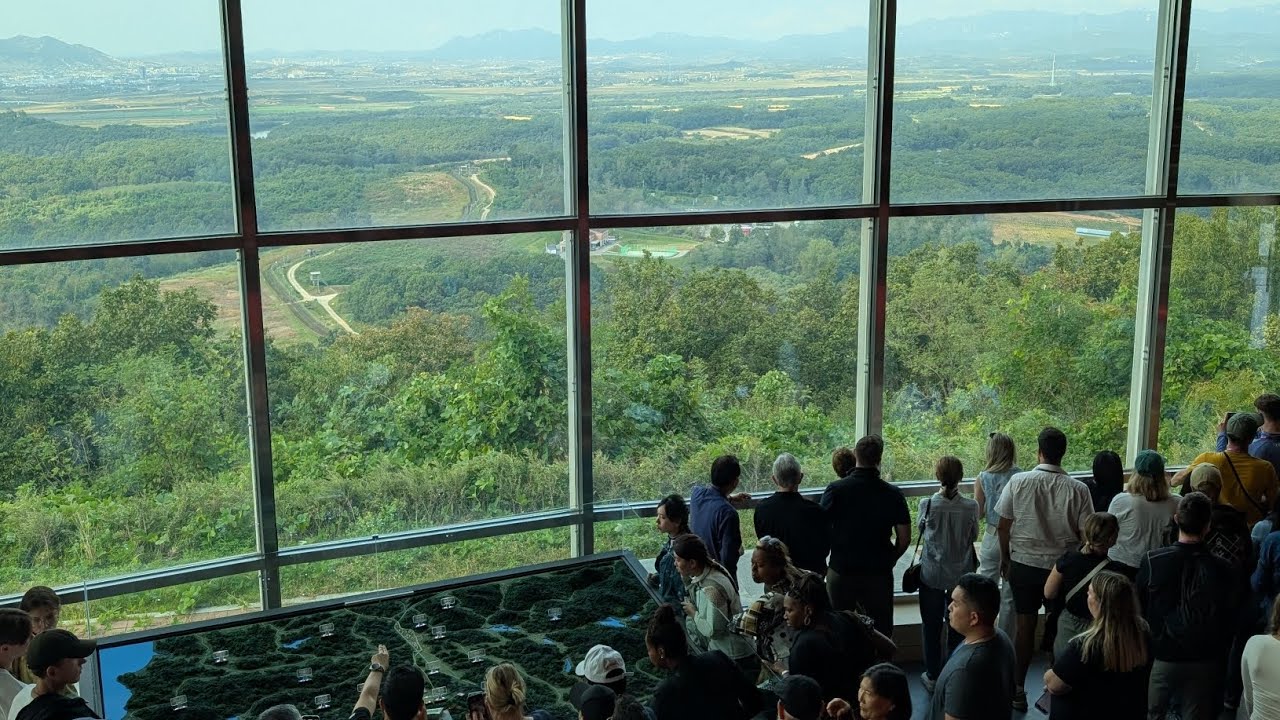
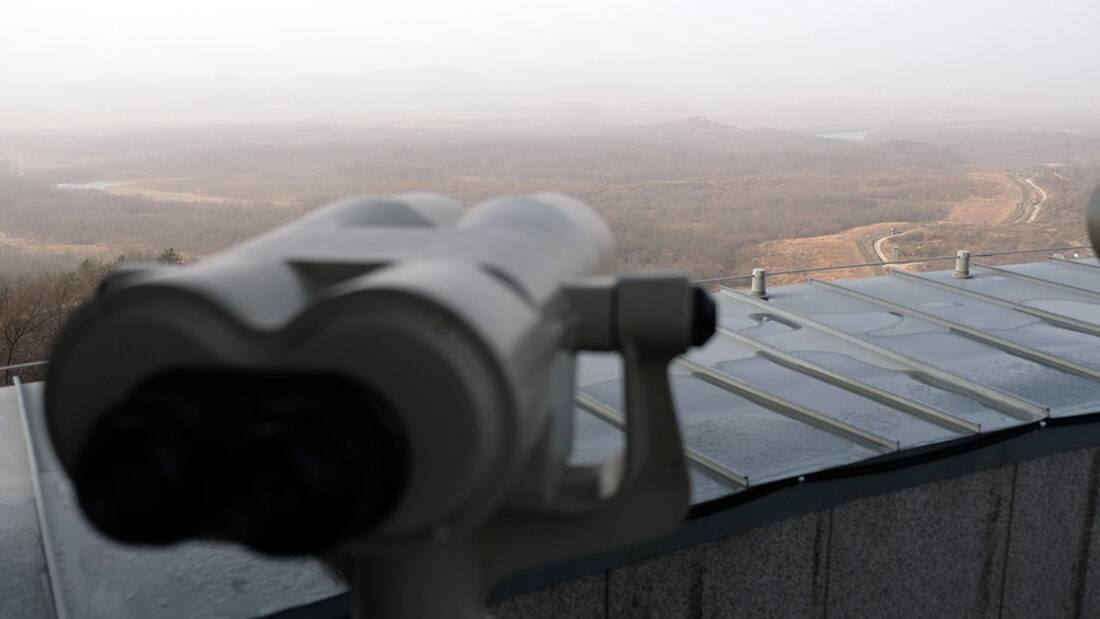
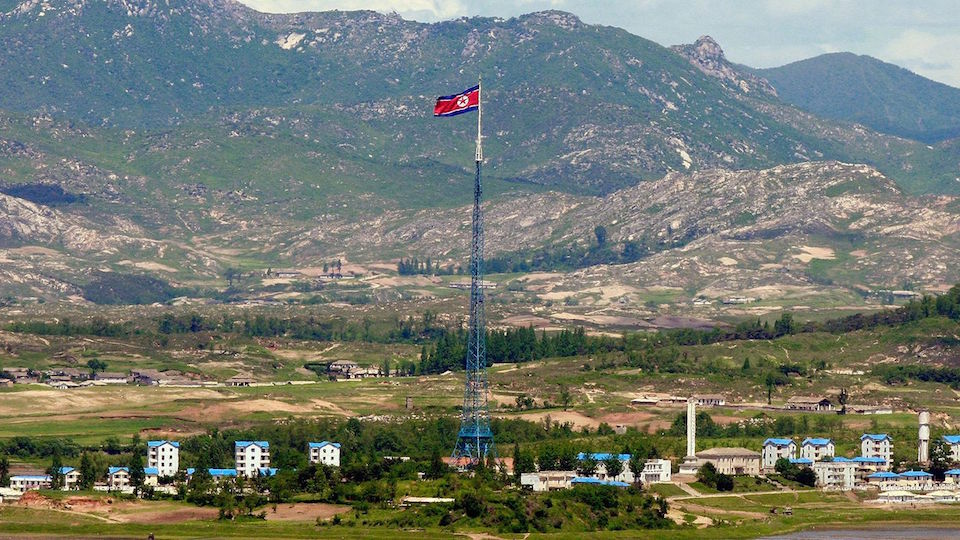
View North Korean landscapes through high-powered binoculars.
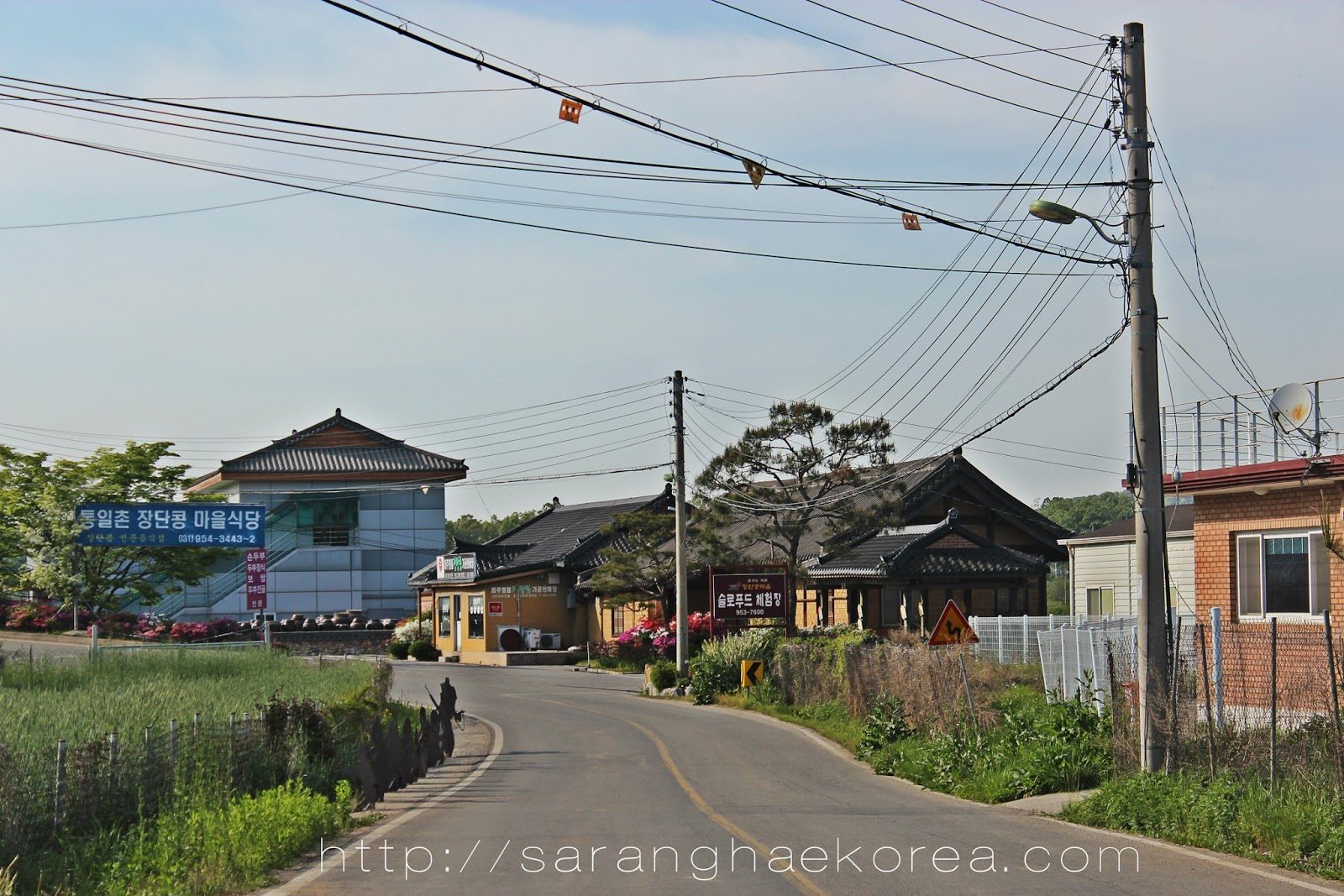
Experience local life in the restricted zone.
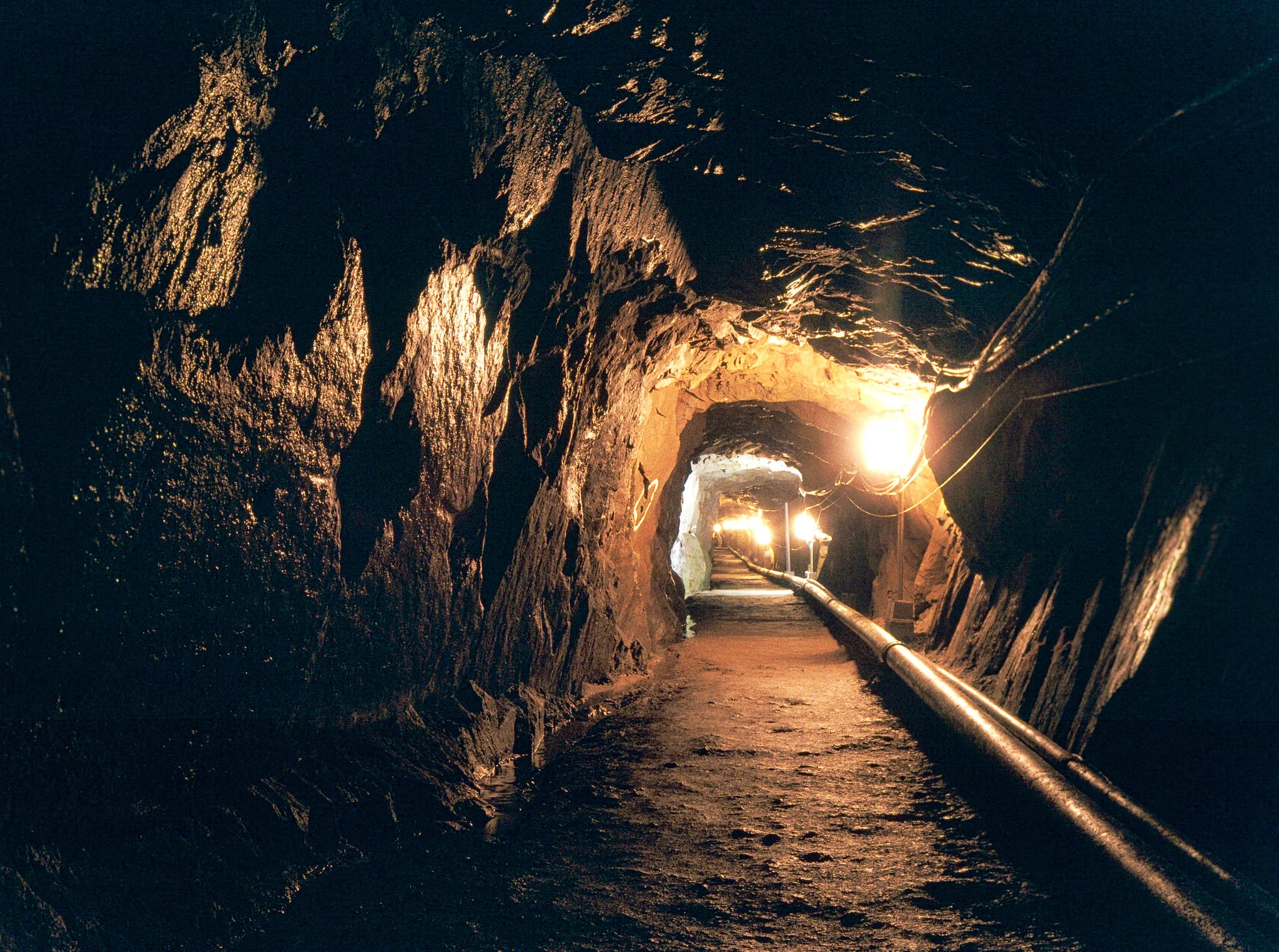
A 1.6km long tunnel discovered in 1978, large enough to move 30,000 troops per hour.
The northernmost point where visitors can view North Korean cities and the Kaesong Industrial Complex.
The historic bridge where prisoners of war returned home after the armistice.
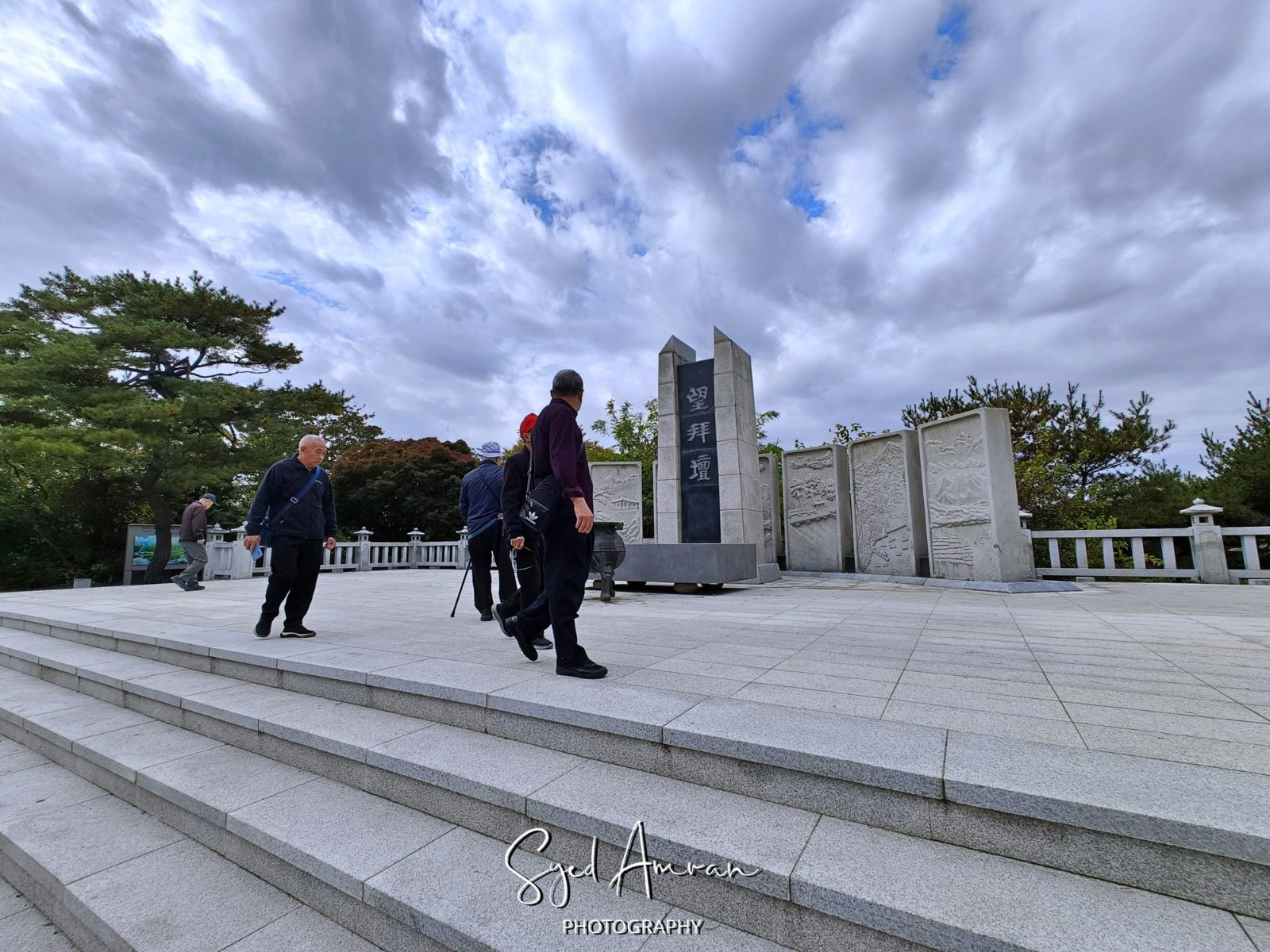
A meaningful site filled with war monuments, a steam locomotive, and the Mangbaedan Altar.
A restricted residential area where farmers live near the border, often visited during a tour.
You depart Seoul before dawn, crossing the Han River as the city wakes. The highway north passes terraced fields and military checkpoints, the urban sprawl thinning into buffer-zone farmland.
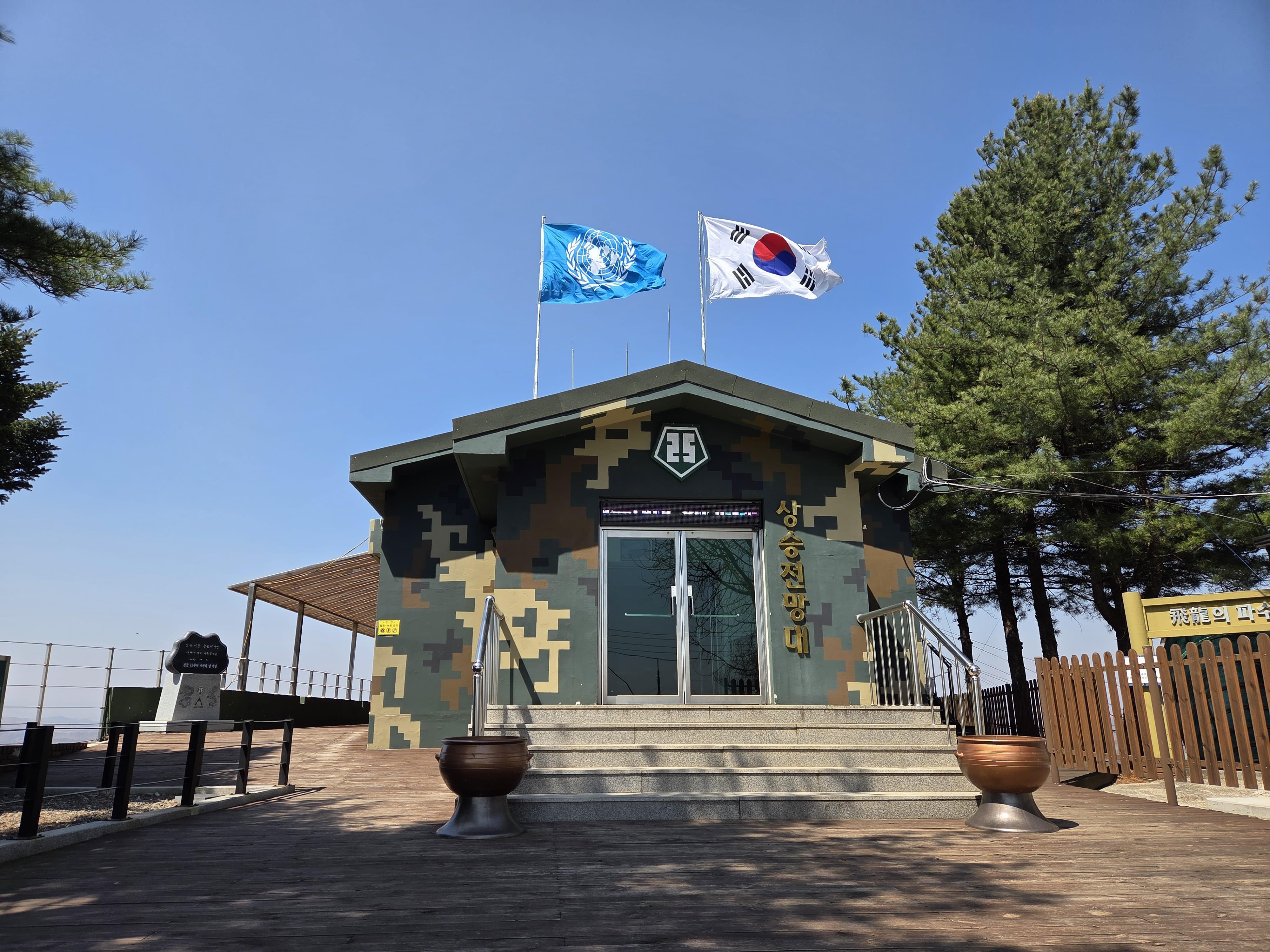
At Imjingak, your guide collects security clearances and briefs you on photography restrictions before the convoy enters the Civilian Control Zone.
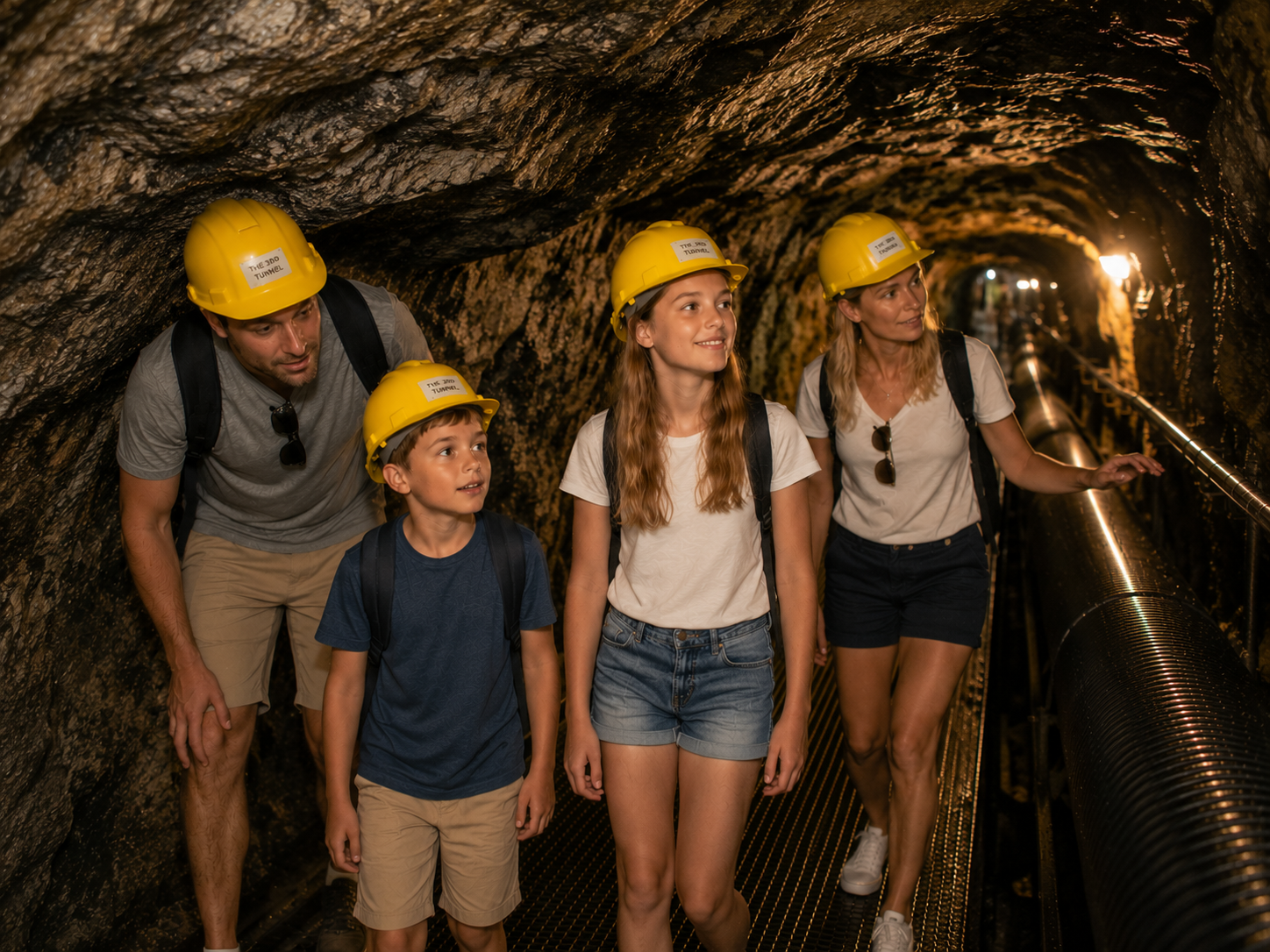
The Third Tunnel descent begins with a steep monorail ride, then 350 meters of downward-sloping concrete until you reach the granite walls dynamited by North Korean engineers. You crouch to navigate the low ceiling, touching the drill marks and water seepage that confirms the tunnel's trajectory toward Seoul. Back at surface level, the Dora Observatory's binoculars reveal Propaganda Village across the demarcation line—a facade of empty apartment blocks meant to lure defectors north.
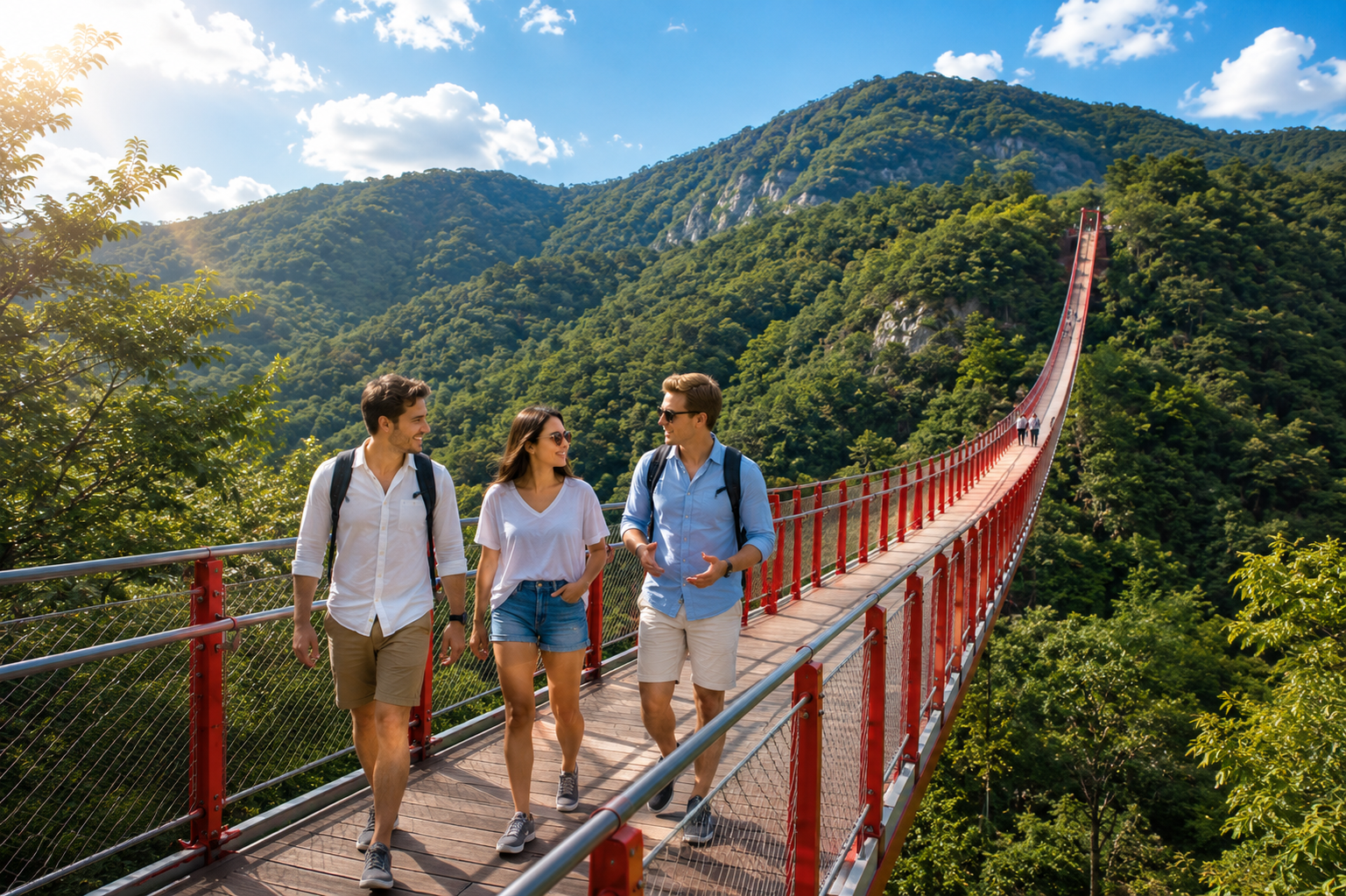
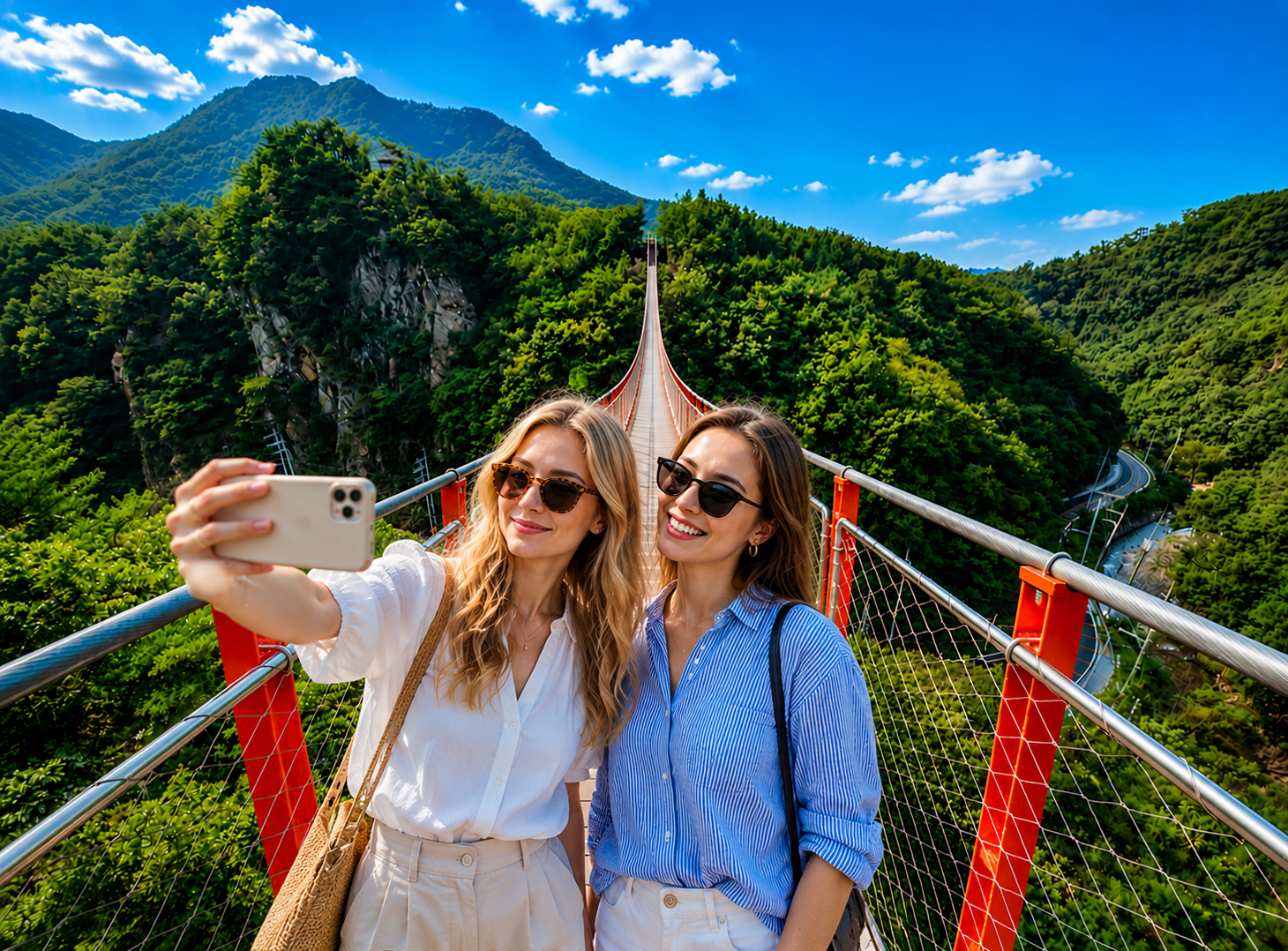
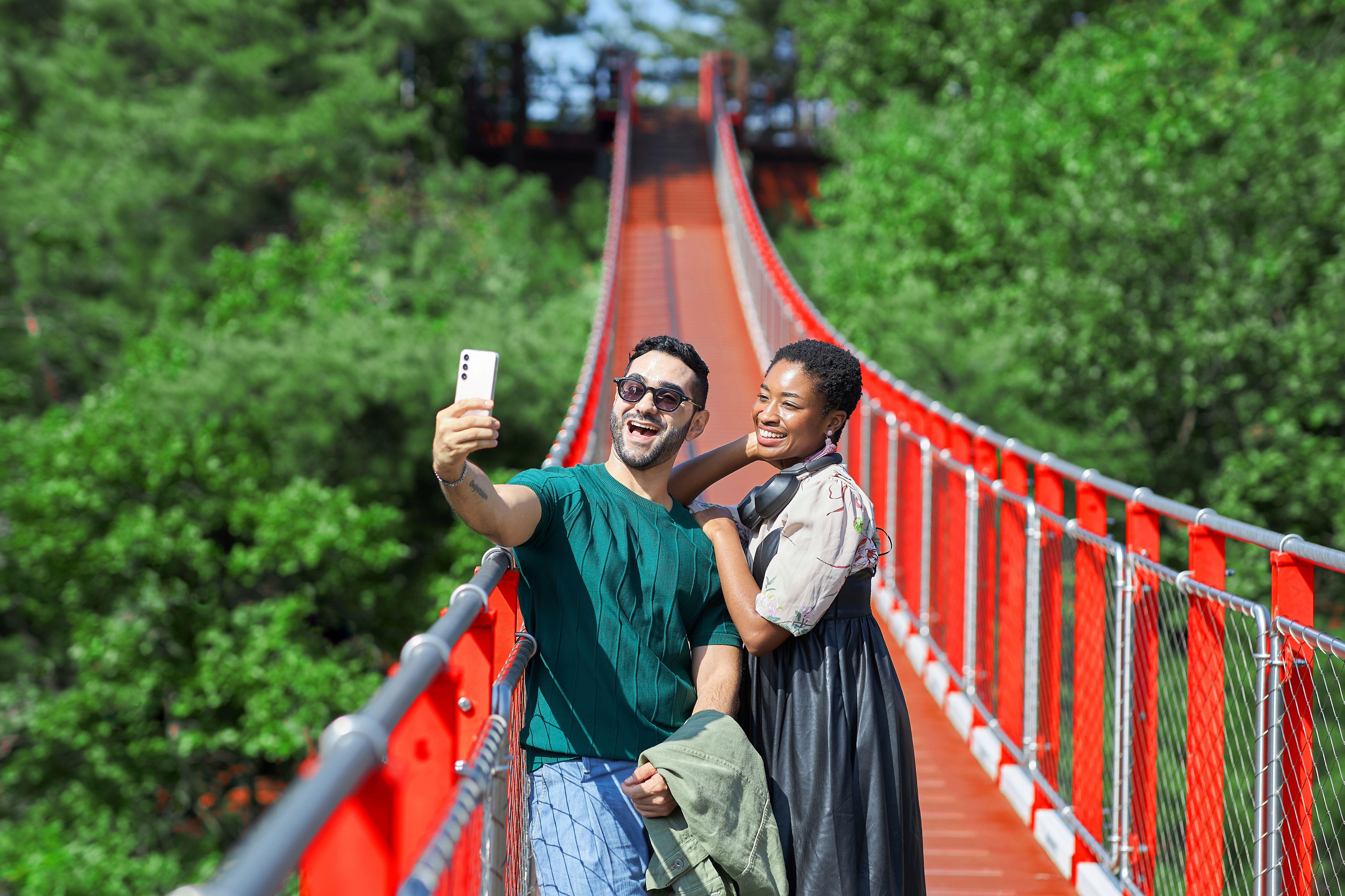
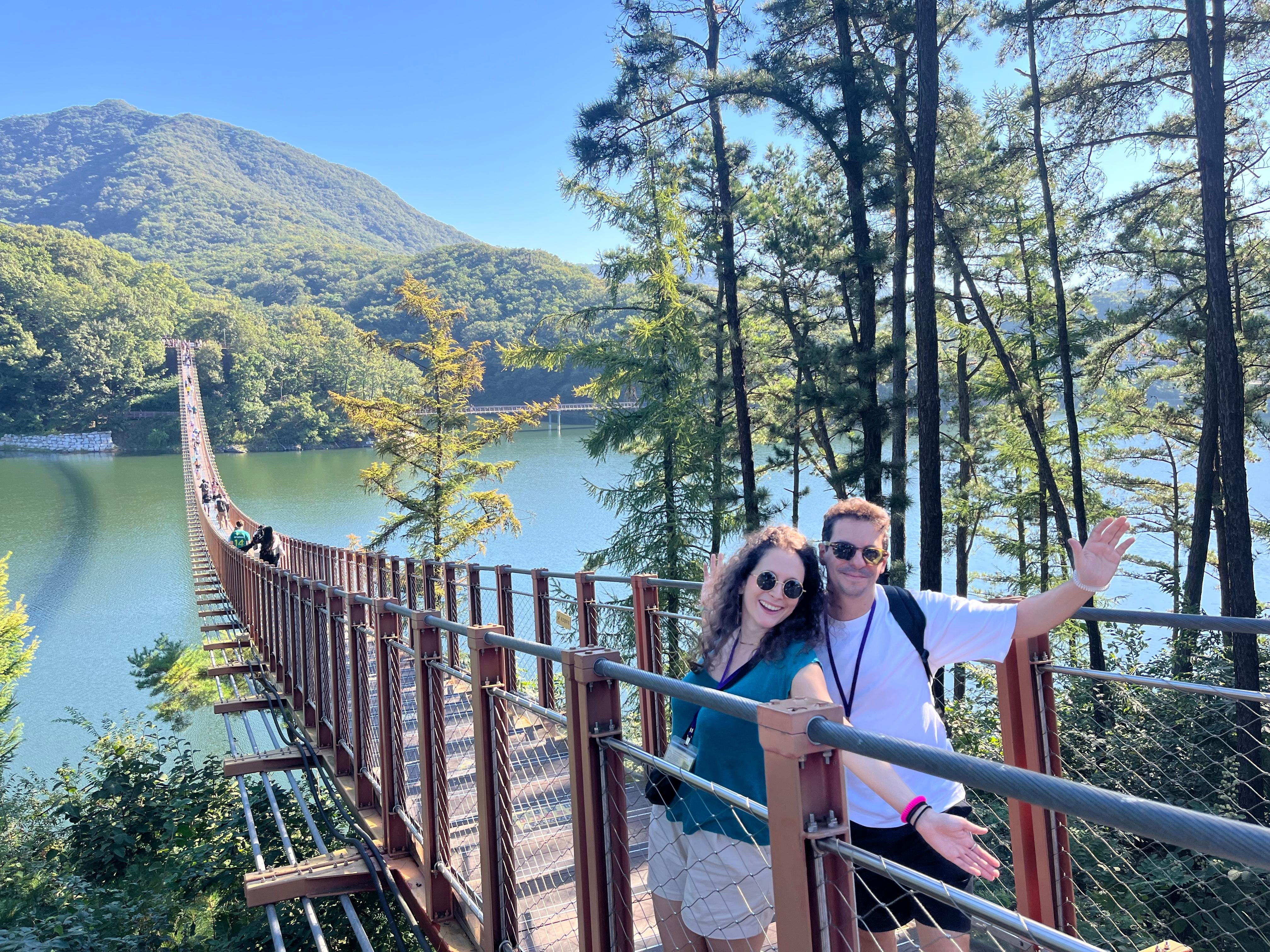
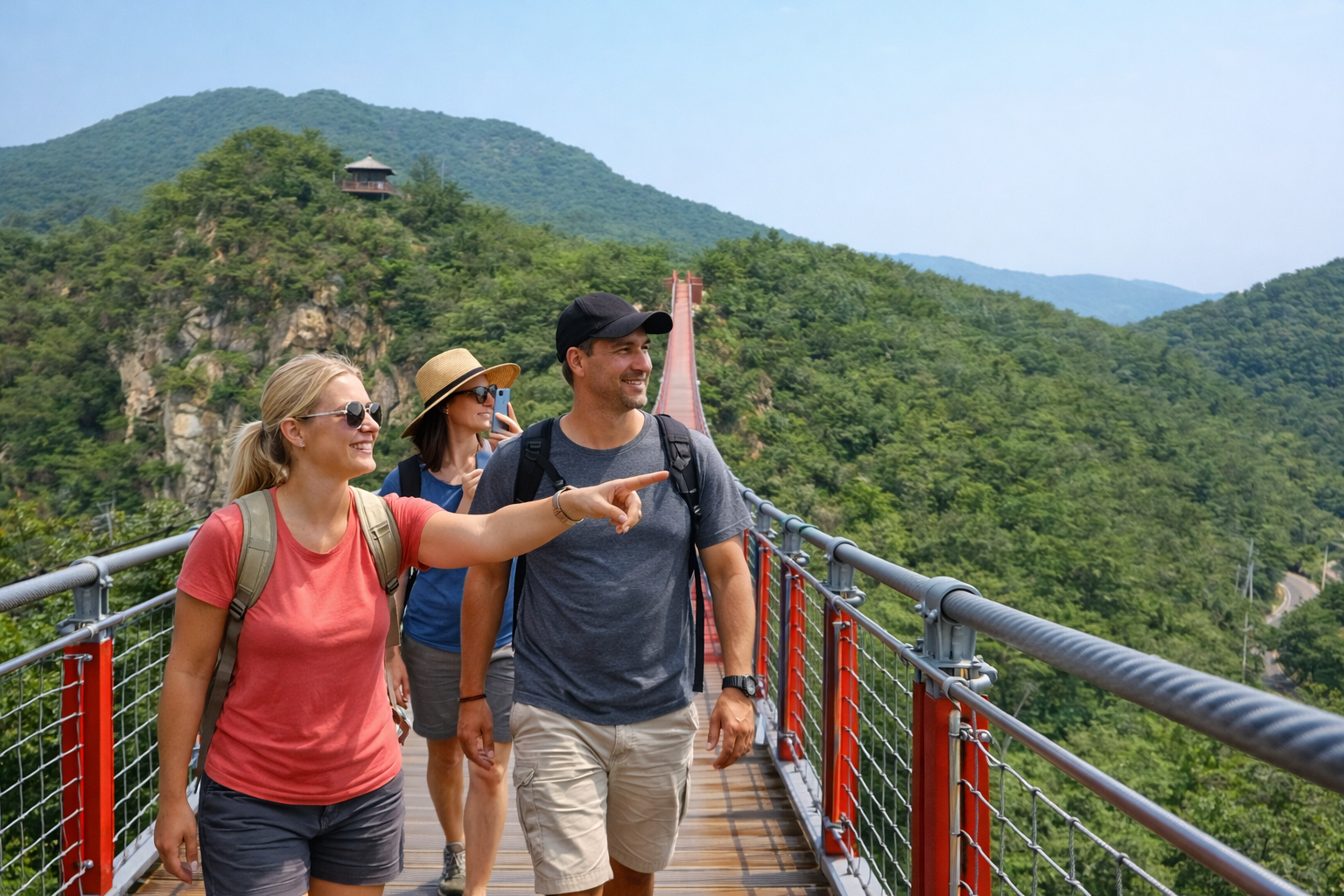
Your private DMZ tour from Seoul continues to a meeting with a defector, a former resident of Pyongyang who crossed the border in 2018. The conversation, conducted in a small briefing room, covers daily rations, surveillance networks, and the risks of escape. Later, you walk the Gamaksan Suspension Bridge, 150 meters above the Imjin River, with barbed wire and watchtowers framing the northern ridgeline. The return drive delivers you to Seoul by evening.
All the details about your upcoming adventure in one place
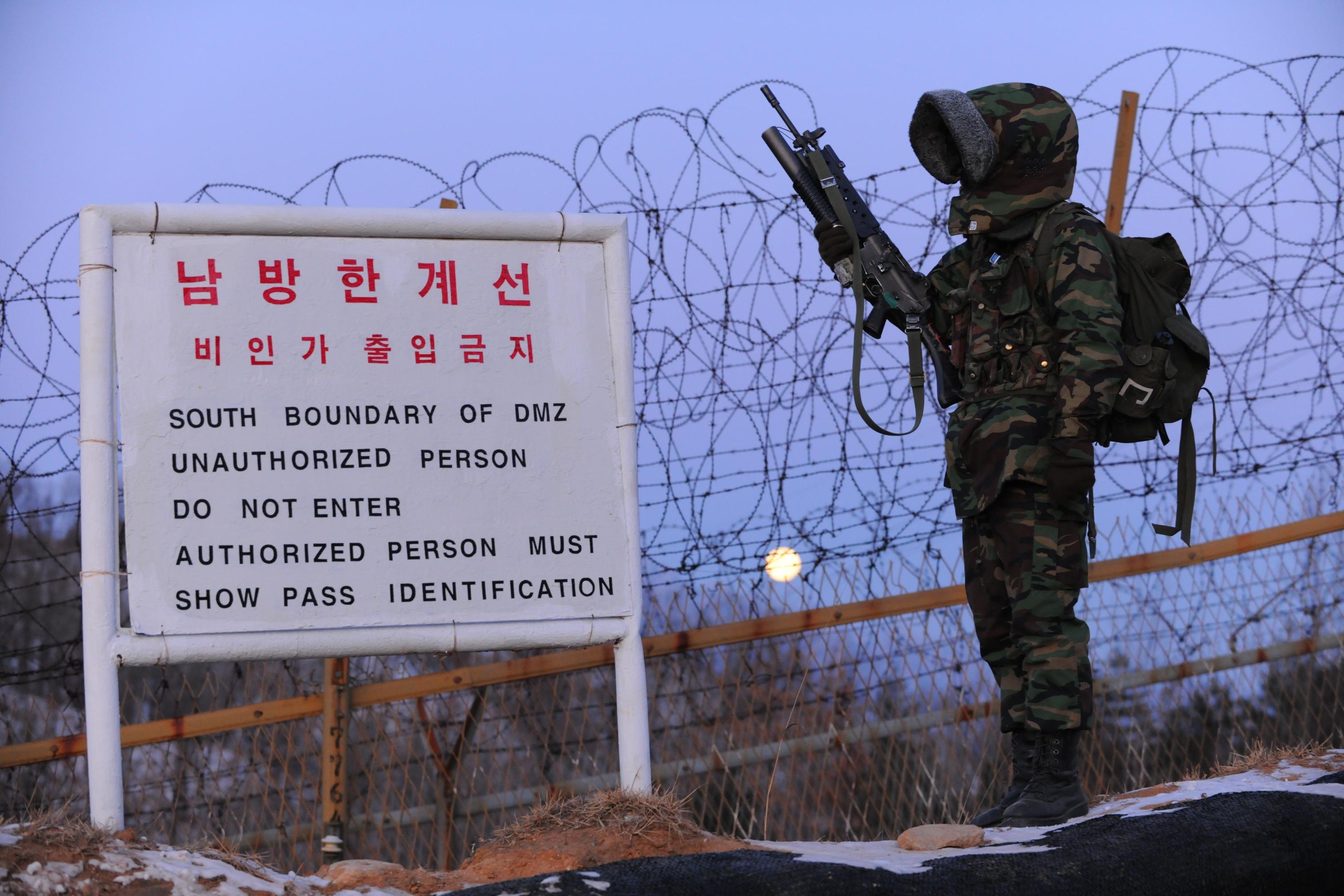
The Demilitarized Zone splits the Korean Peninsula along the 38th parallel, a 250-kilometer buffer zone established by the 1953 armistice that froze the Korean War without resolving it. Four kilometers wide and patrolled by troops on both sides, the DMZ remains one of the most heavily mined landscapes on Earth.
What was meant as a temporary ceasefire line has calcified into the world's most fortified border, a physical manifestation of division that has outlasted the Cold War and now draws over a million visitors annually to sites like the Third Tunnel and the Joint Security Area.
A dmz tour from seoul private itinerary offers access to restricted zones that standard group tours cannot reach. The Third Tunnel, discovered in 1978, burrows 73 meters below ground and was designed to move troops south at a rate of 30,000 soldiers per hour. Visitors descend 350 meters through reinforced concrete passages to the dynamite-blasted granite walls where North Korean excavation was halted. Nearby, the Dora Observatory positions you 155 meters above sea level with binoculars trained on Propaganda Village and the Kaesong skyline. On clear days, the view extends across rice paddies and watchtowers to the northern horizon.
Private dmz tours from Seoul often include meetings with North Korean defectors, individuals who crossed the border and now share testimony about life under the Kim regime. These conversations—conducted through interpreters in small groups—add human dimension to geopolitical abstractions. The JSA Museum and Imjingak Peace Park anchor the southern end of the corridor, where rusted locomotives and freedom bridges stand as Cold War relics. The newer Suspension Bridge at Gamaksan stretches 150 meters above the Imjin River, offering a civilian vantage point over terrain that remains off-limits to unescorted entry.
Custom DMZ experiences allow travelers to shape duration, focus areas, and departure times around personal interests. Photography restrictions apply inside certain tunnels and observation posts, but exterior landscapes—barbed wire, propaganda loudspeakers, the military demarcation line itself—remain some of the most photographed symbols of unresolved conflict. Guides coordinate security clearances and transport through checkpoints, navigating protocols that change with diplomatic temperature. The buffer zone's accidental status as a wildlife refuge has created one of Asia's most biodiverse ecosystems, where endangered red-crowned cranes nest in minefields and Asiatic black bears roam forests untouched by development since 1953.
The Third Tunnel burrows 73 meters below ground, designed to move 30,000 soldiers per hour toward Seoul.
There is no strict dress code for a dmz tour from seoul private, though modest clothing is recommended for visiting memorial sites.
Security is strict for every dmz tour from seoul private; all visitors must present a physical passport at the military checkpoint.
Photography is restricted to specific zones during your dmz tour from seoul private; follow your guide's instructions at military checkpoints.
Families are welcome on a dmz tour from seoul private, though children should be prepared for significant walking and historical content.
The Third Tunnel involves steep inclines, making parts of a dmz tour from seoul private challenging for those with limited mobility.
Light snacks and water are permitted on most private transport for your dmz tour from seoul private, but please respect local memorial sites.
Opening hours
Tue–Sun 09:00–14:30
Address
210-358, Je3ttanggul-ro, Gunnae-myeon, Paju-si, Gyeonggi-do, South Korea
Base entrance fee
9,200 KRW
Best arrival window
09:00–10:30
Phone
+82-31-940-4114
Official site
https://dmz.paju.go.kr
Car · 90 mins
Private transport is the most efficient way to access a dmz tour from seoul private.
Public transport · 120 mins · ~5,000 KRW
Take the Gyeongui-Jungang Line to Munsan, then a taxi to Imjingak.
Full refunds are typically available for a dmz tour from seoul private if cancelled within the operator's specified window. Check individual product terms, as the 9,200 KRW base entrance fee component may be subject to different rules.
Recommended time
Half a day
Planning a dmz tour from seoul private requires careful coordination, as travel from the city typically consumes several hours in addition to your time at the site. Arriving during the 09:00–10:30 window ensures you can secure limited on-site tickets before the area becomes congested with group bus arrivals. A private excursion allows you to navigate the observation deck and military demarcation line sites more efficiently than standard group options, though total duration often stretches to 6-9 hours including transit. Booking dmz tour from seoul private tours provides flexibility, while dmz tour from seoul private tickets are essential for entry to the Paju-si zone.
Crowd levels through the day
Weather · crowds · average price — dots go green to amber to red as each metric rises.
Clear skies and mild temperatures make for an ideal dmz tour from seoul private.
Expect high humidity and potential rain during your dmz tour from seoul private.
September–November offers the best visibility for viewing North Korea.
Expect extreme cold; confirm that your dmz tour from seoul private is running as snow may cause closures.
Always carry your original passport for your dmz tour from seoul private; photocopies are not accepted.
Secure your dmz tour from seoul private weeks in advance during peak spring and autumn months.
Always stay with your group during a dmz tour from seoul private to comply with military rules.
The dmz tour from seoul private can be canceled last minute due to visibility or security drills.
Aim for 09:00 arrival at Imjingak for any non-private dmz tour from seoul private tickets.
The Korean Demilitarized Zone emerged from the 1953 armistice agreement that suspended—but never formally ended—the Korean War. Signed at Panmunjom on July 27, 1953, the accord established a 250-kilometer buffer stretching across the peninsula, approximately four kilometers wide, bisected by the Military Demarcation Line. The United Nations Command, North Korean People's Army, and Chinese People's Volunteer Army negotiated the boundary after three years of conflict that claimed millions of lives. The agreement mandated withdrawal of all military forces from the zone within 72 hours, creating what was intended as a temporary ceasefire line. Seven decades later, the DMZ remains one of the most heavily fortified borders on earth. The site's geopolitical significance intensified through Cold War decades as the ideological frontier between communist North and capitalist South. The 1976 axe murder incident at Panmunjom, where North Korean soldiers killed two U.S. officers pruning a poplar tree, nearly triggered renewed war. Operation Paul Bunyan, the American military response involving helicopters and armed convoys to cut down the tree, demonstrated how minor confrontations could escalate. The Joint Security Area protocols were revised immediately afterward, segregating the two sides more strictly. North Korean tunnels discovered beneath the DMZ in the 1970s and 1980s—four confirmed, with suspected additional passages—revealed ongoing infiltration attempts and reinforced the zone's military tension. Today's dmz tour from seoul private experiences navigate this landscape of suspended conflict. The zone's accidental transformation into a wildlife refuge—one of Asia's most biodiverse ecosystems—presents an ironic conservation success born from human separation. Civilian access remains tightly controlled through military checkpoints and advance registration systems. The dmz tour from seoul private tours operate under strict protocols established by both the South Korean military and United Nations Command. Recent diplomatic thaws, including the 2018 inter-Korean summits at Panmunjom, have periodically eased access restrictions, though fundamental security measures persist. The Third Infiltration Tunnel, discovered in 1978 just 44 kilometers from Seoul, now serves as the most visited site on dmz tour from seoul private tickets, illustrating how Cold War infrastructure has been repurposed for controlled tourism while retaining its stark geopolitical message.
Korean War ends with armistice, establishing the Military Demarcation Line and four-kilometer buffer zone.
DMZ becomes heavily fortified Cold War frontier with landmines, fences, and military outposts on both sides.
Four North Korean infiltration tunnels discovered beneath the DMZ, prompting increased security measures.
Axe murder incident at Panmunjom nearly triggers renewed conflict, leading to revised Joint Security Area protocols.
Controlled civilian tourism begins, with Third Infiltration Tunnel and Dora Observatory becoming accessible sites.
Inter-Korean summits at Panmunjom temporarily ease tensions and expand limited visitor access to certain areas.
DMZ functions as both active military boundary and paradoxical ecological preserve with restricted tourism.
Position yourself at the mouth of the tunnel to capture the stark contrast between the modern concrete structure and the rugged hillside. This is a primary stop for those on a dmz tour from seoul private trip to document the subterranean scale.
Stand at the far left edge of the viewing platform to capture a clear wide-angle shot of the North Korean propaganda village through the stationary binoculars. Using this dmz tour from seoul private tour perspective allows for clear sightlines across the buffer zone.
Focus on the weathered wooden planks and rusted metal gates that symbolize the transition between divided territories. This location offers a contemplative angle for your dmz tour from seoul private tickets experience.
Frame the diverse array of statues and memorial walls against the backdrop of the Imjin River. These installations provide varied textures and historical context for your personal Seoul DMZ landmark photography collection.
Planning a dmz tour from seoul private requires careful coordination to ensure an engaging experience for younger travelers. Navigating this historic border region allows families to observe the military demarcation line and unique observation decks while maintaining a respectful pace.
Most areas involve significant walking on uneven ground, so strollers are generally impractical for this terrain
The site is best suited for school-aged children and teenagers who can appreciate the historical significance of the Korean War and modern geopolitics
Limited baby-change facilities are available, so ensure you have all necessary supplies packed for the duration of your trip
Securing dmz tour from seoul private tickets early is essential, as the site operates from 09:00–14:30 and requires an early arrival for access
Options for dining are sparse near the security checkpoints; families should bring adequate snacks and water for the excursion
The dmz tour from seoul private tours remain operational in light rain, though outdoor observation points may have limited visibility.
Dining options directly at the security zone are extremely limited, so planning ahead for your dmz tour from seoul private is essential. Most visitors on a Paju border excursion prefer to eat in nearby Paju or Imjingak before or after their DMZ Peace Tour.
Located within the Imjingak Pyeonghwanuri Park area, this spot offers quick coffee and light snacks. It serves as a convenient stop to grab a refreshment before your dmz tour from seoul private tour.
Everything you need to know for your journey
Yes, you must bring a physical passport for every dmz tour from seoul private to pass military checkpoints.
The site operates 09:00–14:30; most tours coordinate their dmz tour from seoul private schedule within these hours.
On-site tickets for a dmz tour from seoul private sell out quickly; booking in advance is highly recommended.
Yes, but please consider the walking intensity involved in a dmz tour from seoul private.
The 9,200 KRW covers the base entrance fee for the DMZ Peace Tour on foot, per person.
Yes, avoid bringing large bags or prohibited items on your dmz tour from seoul private.
September to November provides the clearest views for your dmz tour from seoul private.
Most private operators include hotel pickup in Seoul for your dmz tour from seoul private.
Photography is allowed in designated areas; always ask your guide during your dmz tour from seoul private.
Cancellation policies for a dmz tour from seoul private depend on the operator; please check your specific booking confirmation.
A sprawling complex featuring war memorials and the Freedom Bridge.
A poignant site where families offer rituals for relatives in the North.
Crosses the Imjin River for a unique aerial perspective.
Located in the Imjingak area, showcasing cold-war history.
Convenient for those starting a dmz tour from seoul private early.
Join thousands of happy travelers who have discovered this incredible experience
Book Your Experience Now