9 hr
DMZ Tour with North Korean Defector Q&A
- Expert local guide
- Small group
- Skip-the-line access
- Free cancellation
DMZ Tour From Seoul — Reserved Entry to the Korean Border
Stand inside the world's last Cold War frontier, where silence holds sixty years of history.
Compare fares, pick the fit — all bookings are mobile-voucher and eligible for free cancellation where shown.
9 hr
7 hr
6 hr
| Experience | Duration | Rating | Pickup | Skip-the-line | Guide | Small group | Price | |
|---|---|---|---|---|---|---|---|---|
|
Guided Experience
Most popular
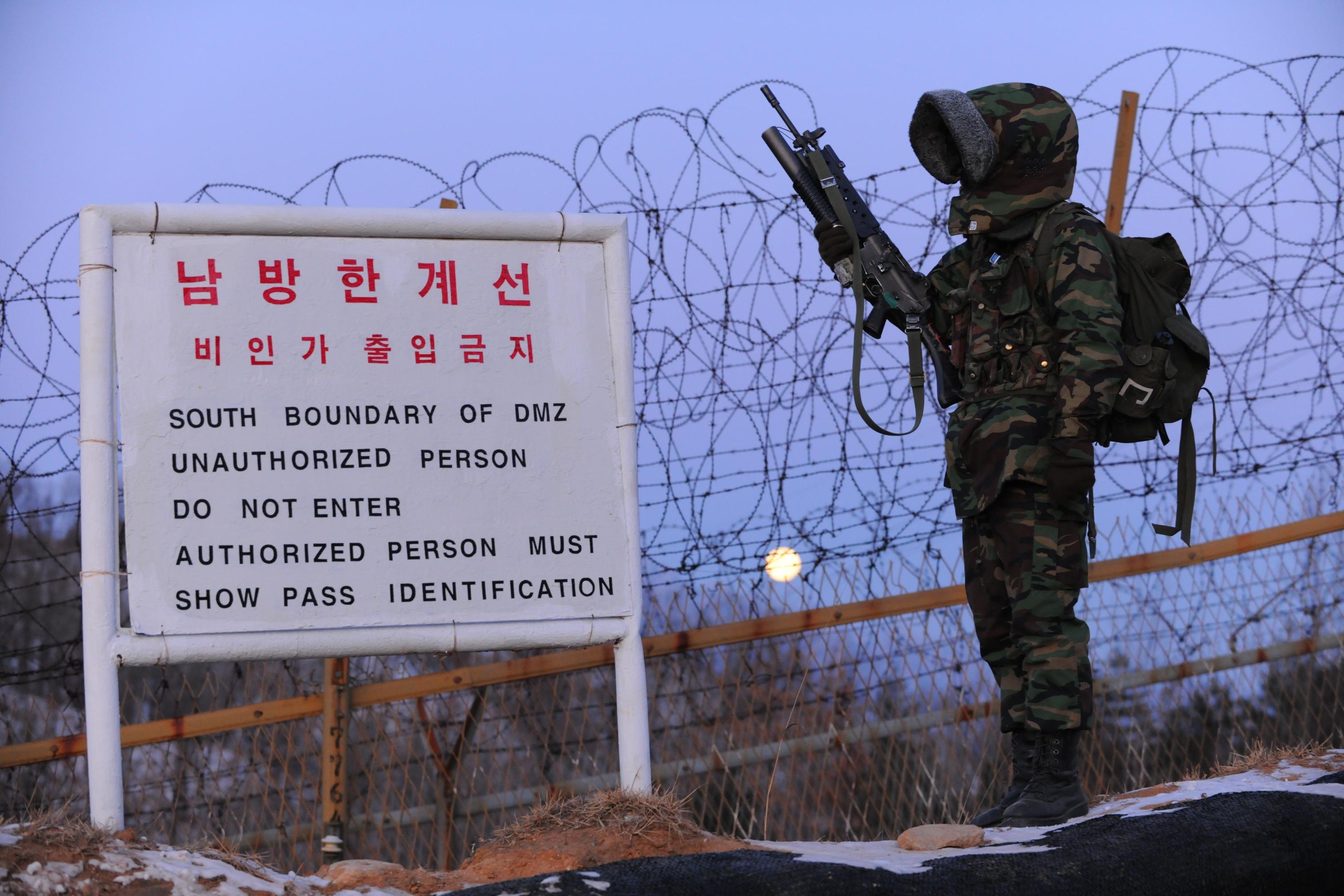
DMZ Tour with North Korean Defector Q&A
|
9 hr | ★ 4.9 | ✓ | ✓ | ✓ | ✓ | $50 | Book → |
|
Guided Experience
DMZ 3rd Tunnel & Suspension Bridge Tour from Seoul
|
7 hr | ★ 5.0 | ✓ | ✓ | ✓ | ✓ | €40 | Book → |
|
Guided Experience
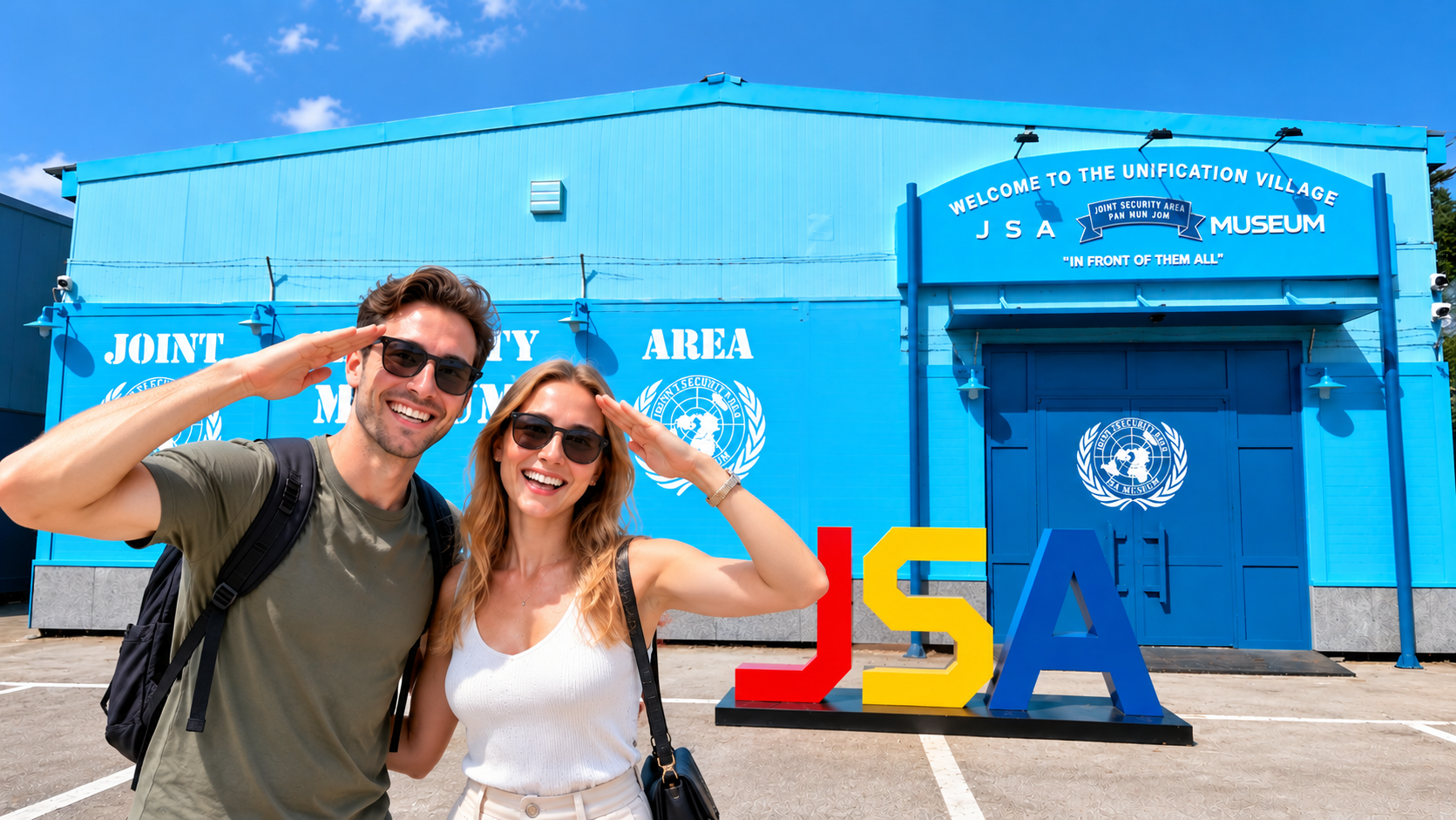
DMZ Tour with JSA Museum & Optional Defector Talk
|
6 hr | ★ 4.9 | ✓ | ✓ | ✓ | ✓ | $45 | Book → |
Worth it for history and geopolitics enthusiasts
A dmz tour from seoul delivers something few destinations can match: firsthand exposure to an active military frontier where Cold War tensions remain frozen in place. You'll stand meters from North Korean soldiers at the Joint Security Area, walk tunnels dug for invasion, and see propaganda villages through binoculars at observatories like Dora. The 12,200 KRW base ticket covers entry to the DMZ Peace Tour route, though most visitors join guided dmz tour from seoul packages (typically 70,000–120,000 KRW) that bundle transport, English-speaking guides, and JSA access permits, which independent travelers cannot secure. The educational payoff is real—you leave understanding the Korean War's unresolved status and the peninsula's fragile peace architecture. That said, tours follow strict military protocols: no pointing, no unapproved photos, and routes controlled by UN Command. For travelers seeking geopolitical insight over leisure sightseeing, the demilitarized zone justifies the time and cost; for casual tourists expecting dramatic spectacle, the heavily regimented experience may underwhelm.
Bottom line: If you want to understand the Korean peninsula's unresolved conflict beyond headlines, dmz tour from seoul tickets deliver irreplaceable ground-level perspective despite the logistical constraints.
Hand-picked experiences loved by thousands of travelers
7 - 8.5 hours
Free Cancellation
Journey to the Korean border, explore infiltration tunnels, and hear firsthand accounts from someone who escaped the North
6 hours
Free Cancellation
Explore the Korean Demilitarized Zone with veteran guides who served on the front lines
7 hours
Free Cancellation
Journey to the Korean border for history, tunnels, observation points, and authentic stories
7 hours
Free Cancellation
Journey to the Korean border: explore underground tunnels, peer into North Korea, and visit exclusive sites
8 hours
Free Cancellation
Journey beyond the tourist zone to explore a Cold War frontier frozen in time, complete with tunnel descent and Korean meal.
10 hours
Free Cancellation
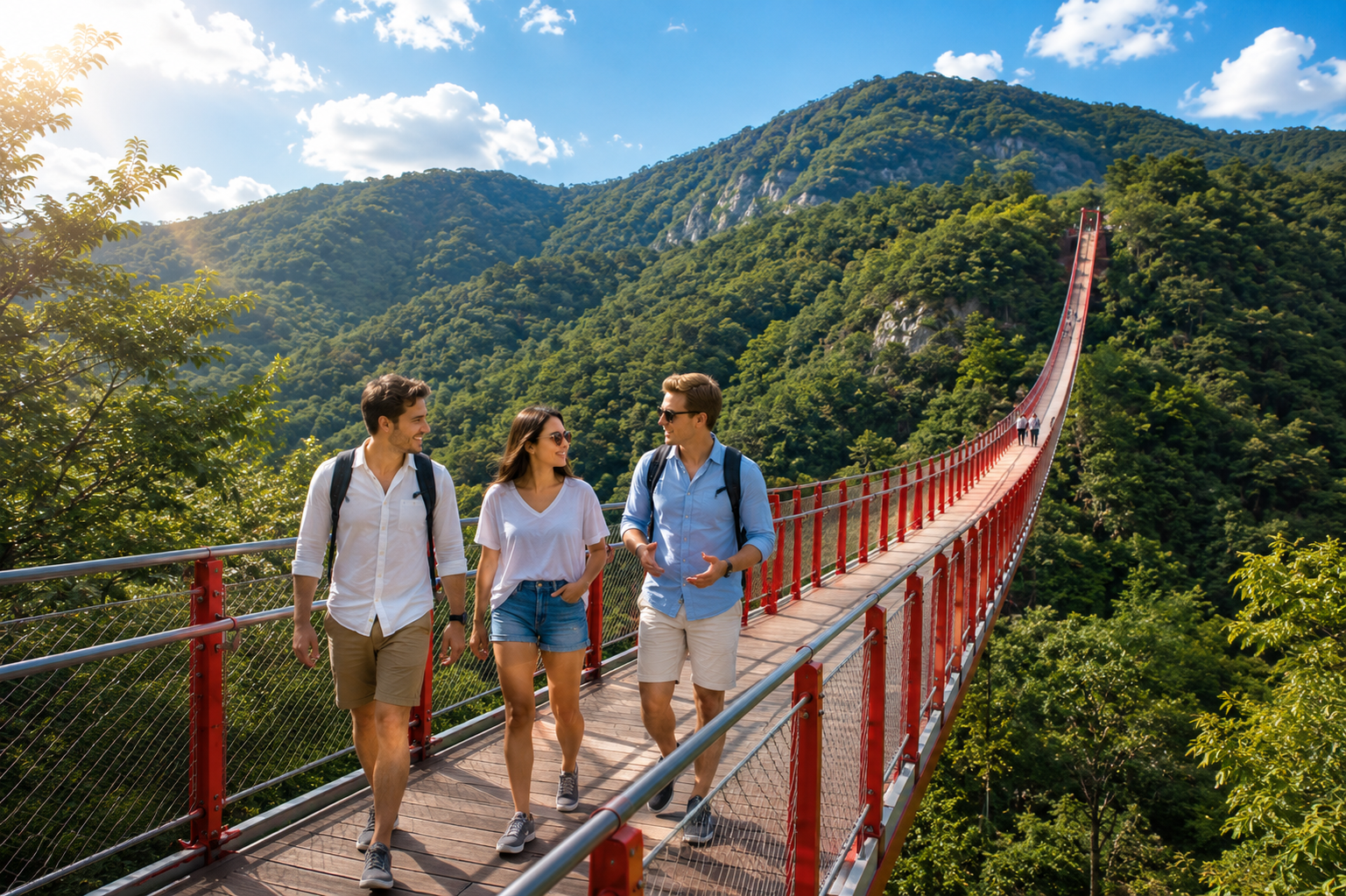
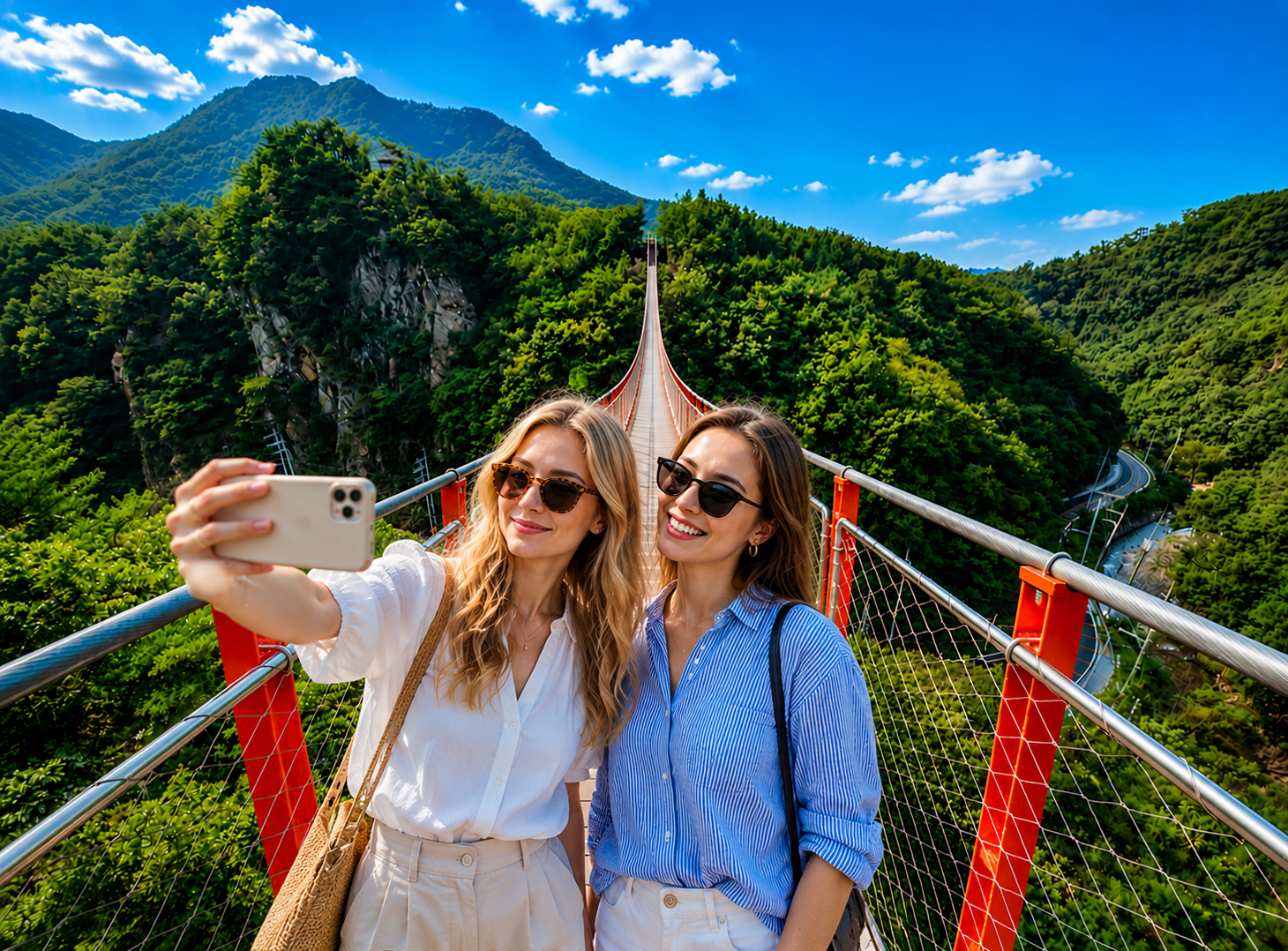
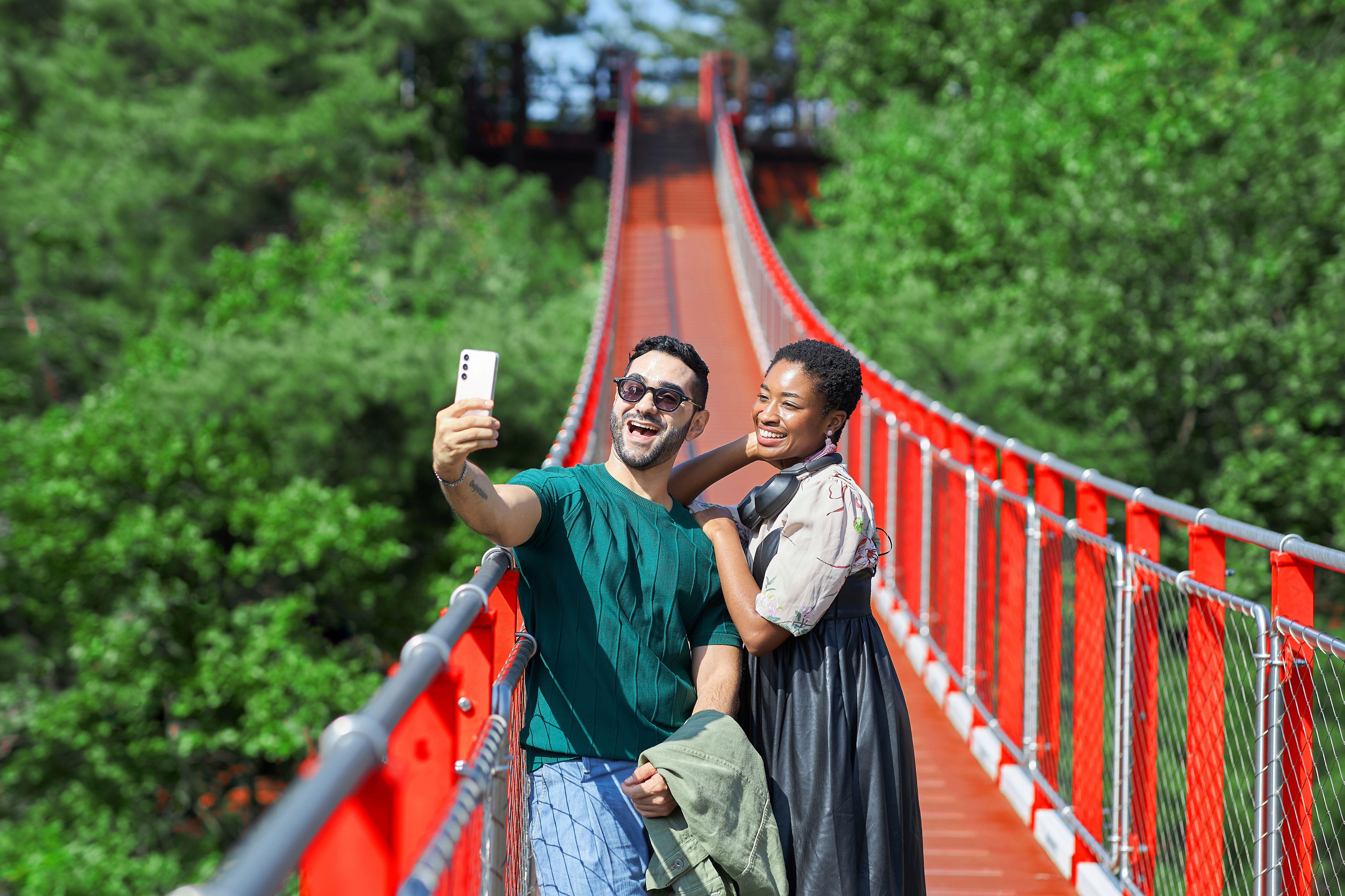
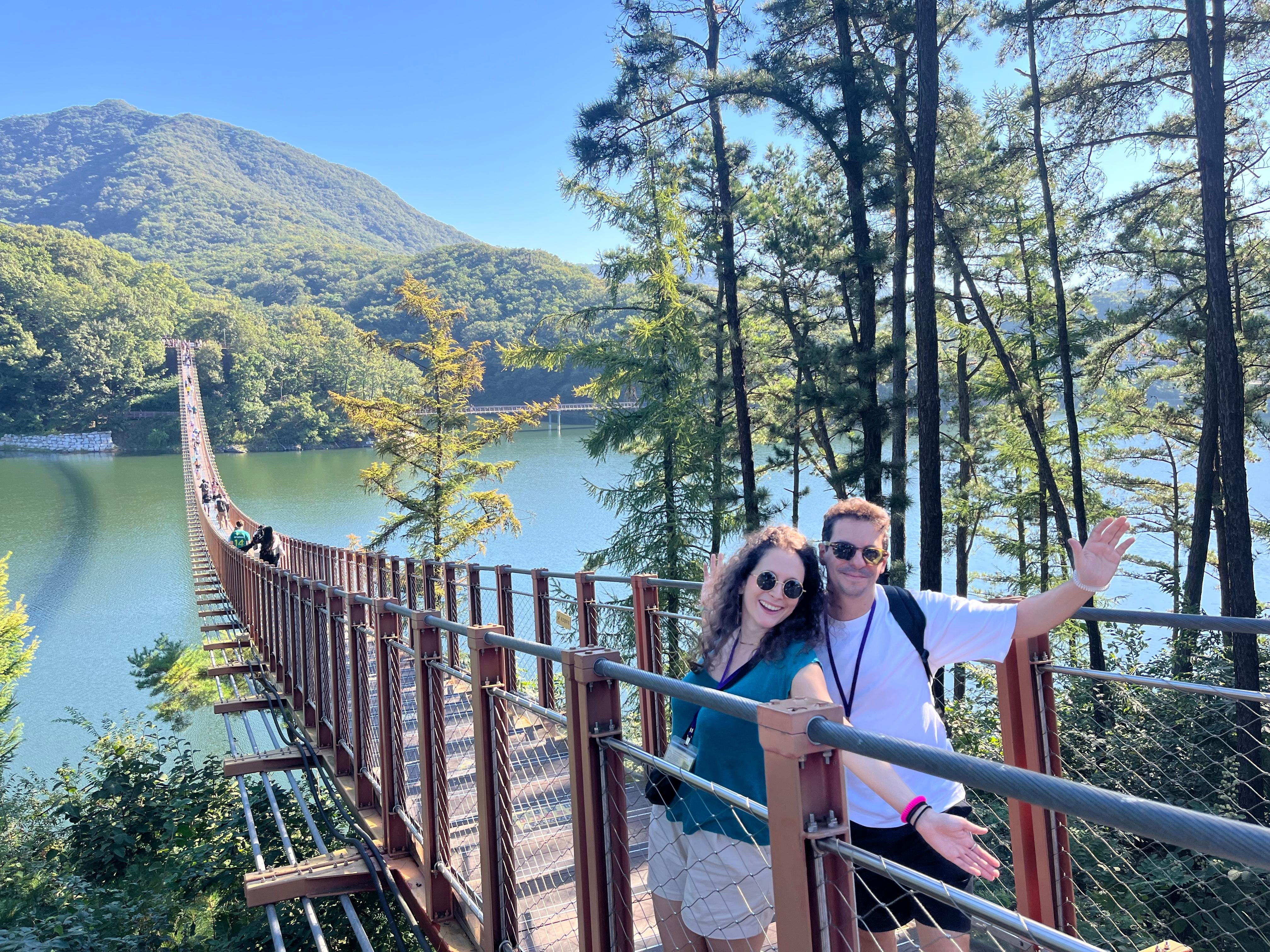
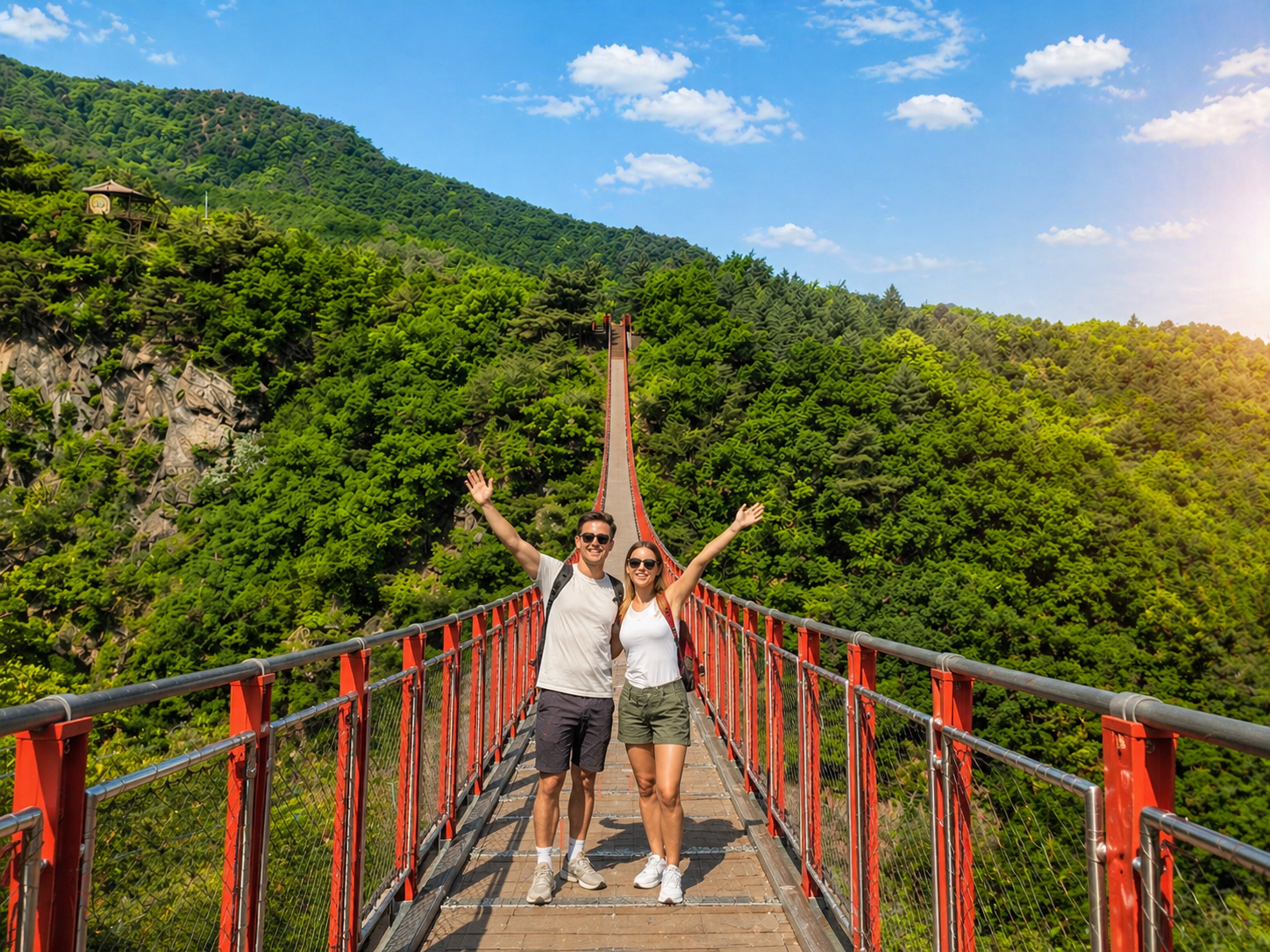
Explore the Korean Demilitarized Zone, walk a mountain sky bridge, and discover the history of division
8 hours
Free Cancellation
Journey to the Korean border on this full-day private expedition featuring underground tunnels and observatory views into North Korea
10 hours
Free Cancellation
Design your own adventure across Seoul and beyond with dedicated transportation and a personal driver
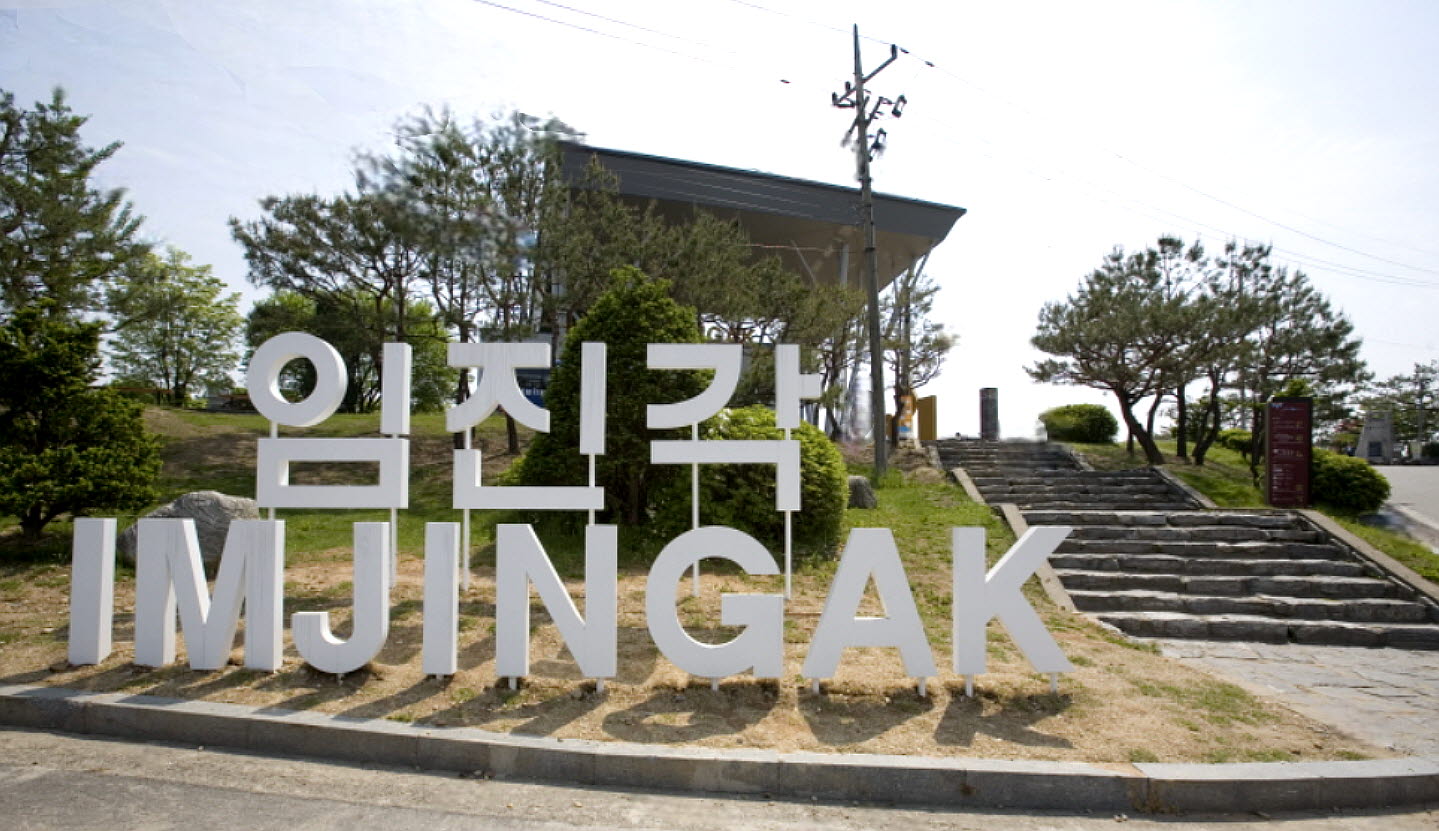
Arrive at Imjingak Park for ticketing
Present passport for military clearance
View the border landscape
Transit back to base point
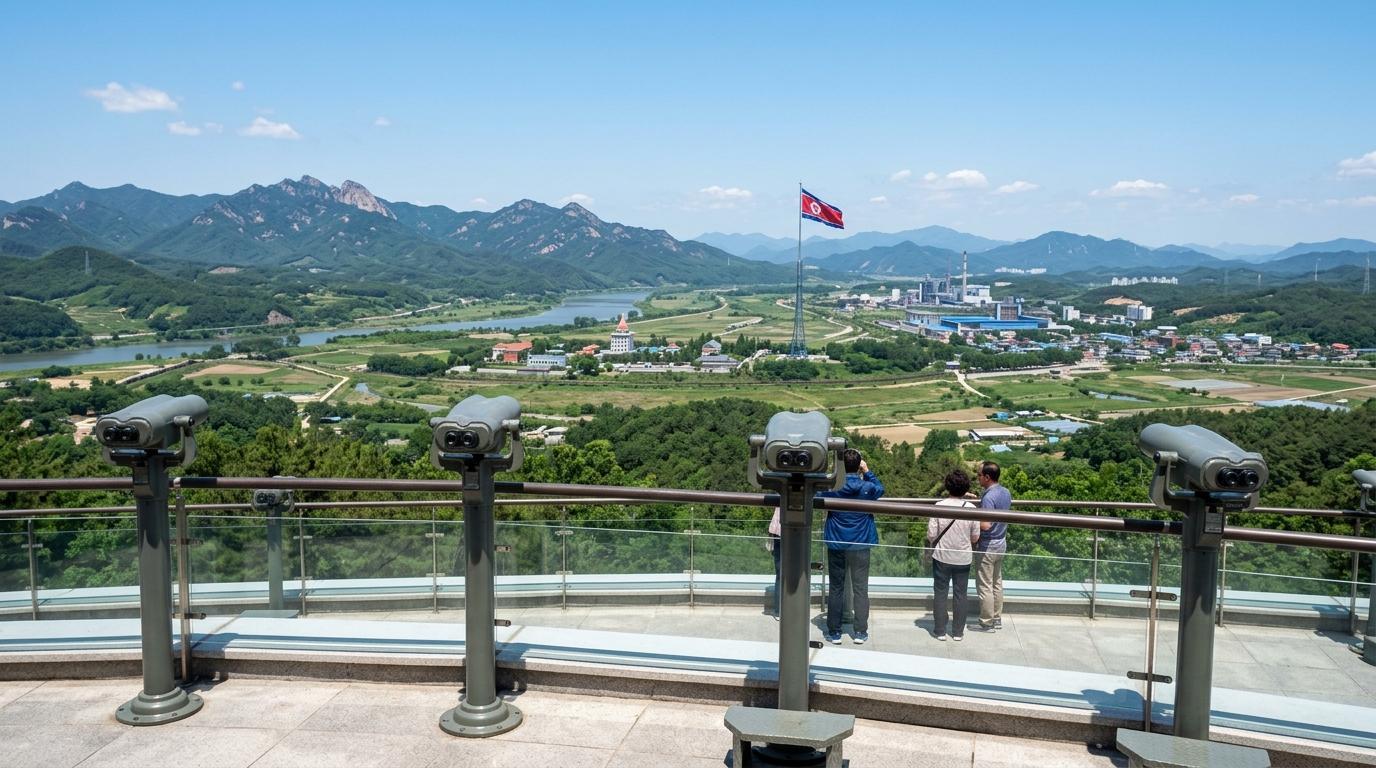
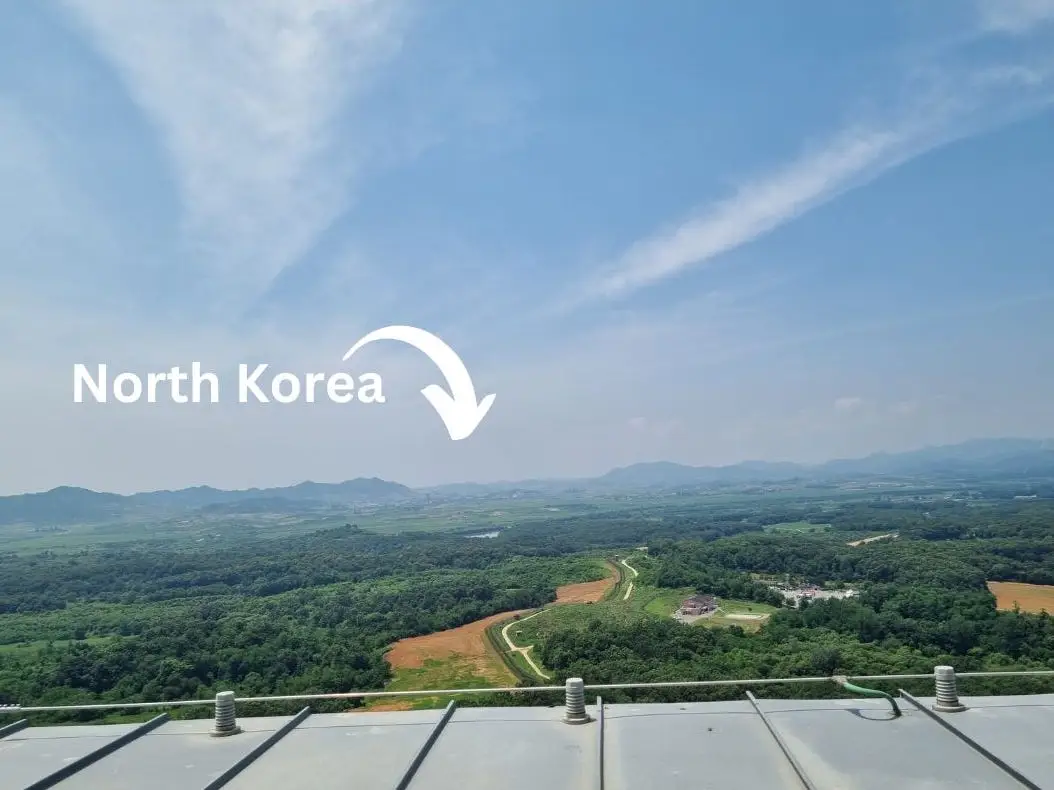
This vantage point offers a view of the North Korean propaganda village. It is a key stop on any DMZ tour from Seoul.
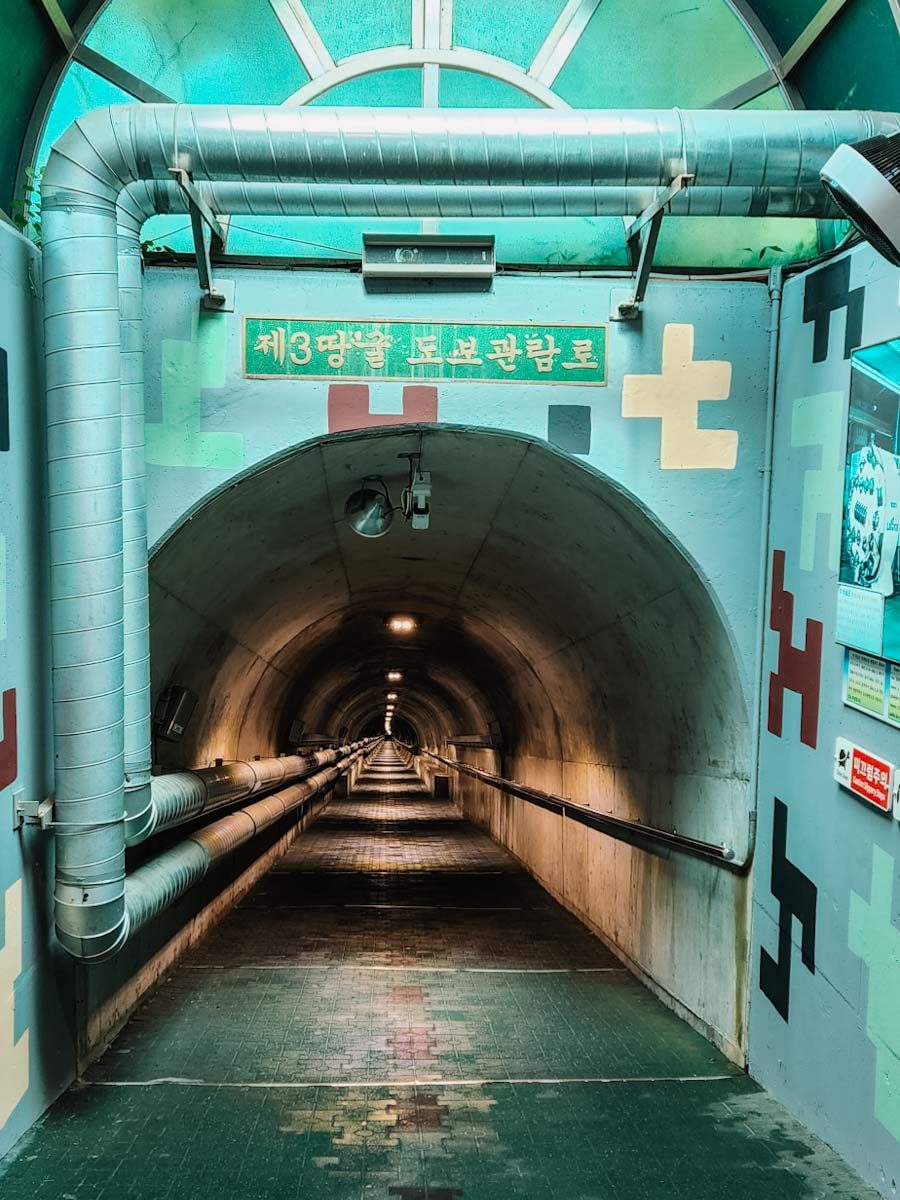
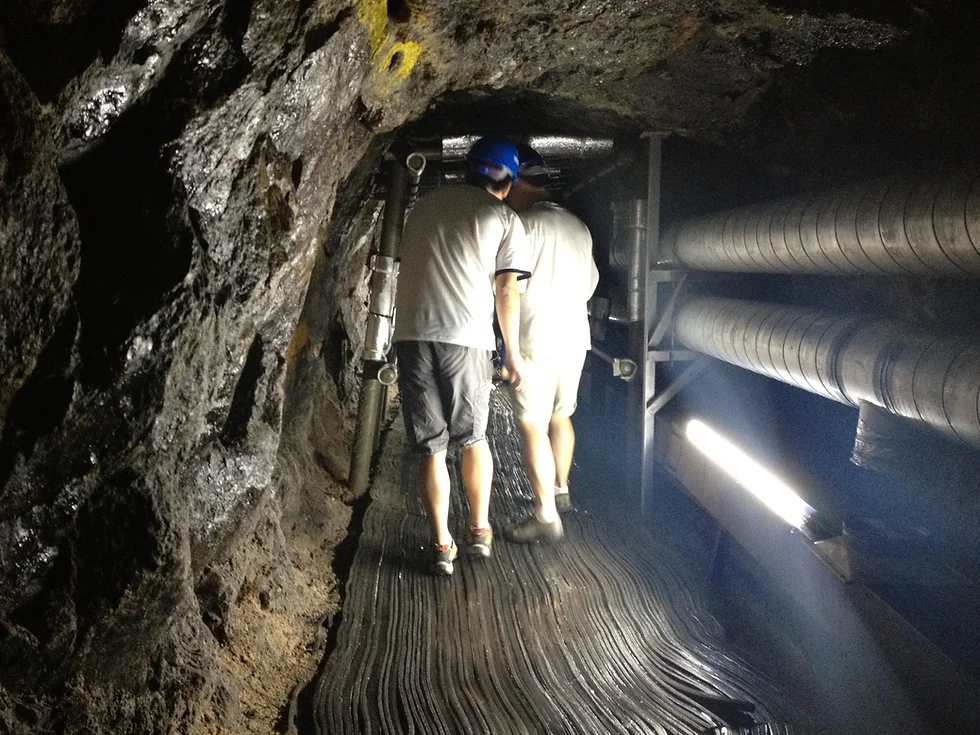
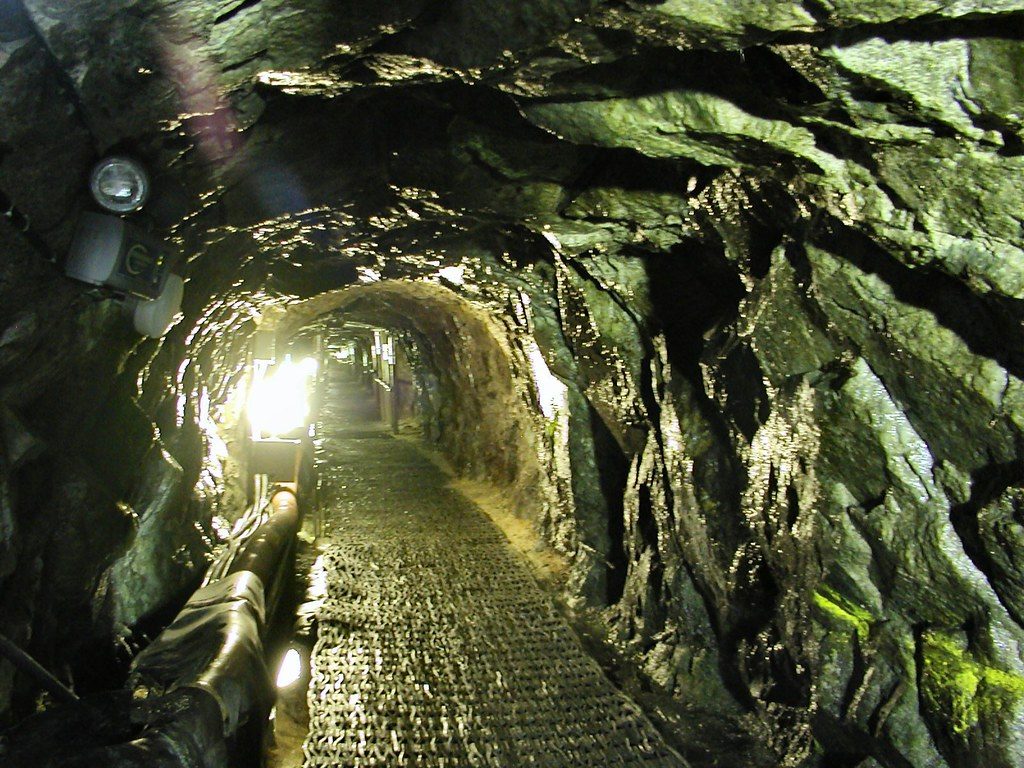
This tunnel was discovered in 1978 and is large enough for thousands of soldiers to pass through per hour.
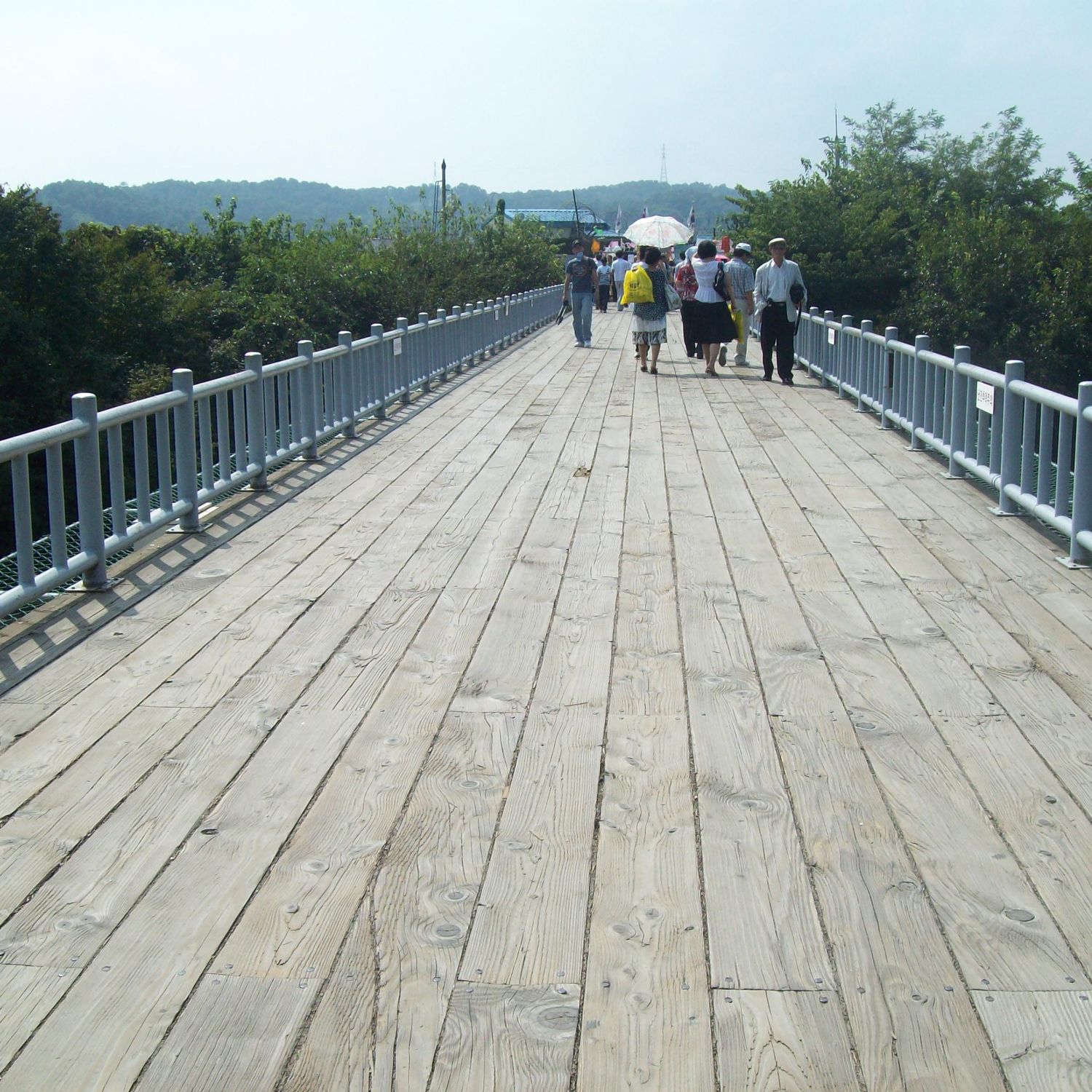
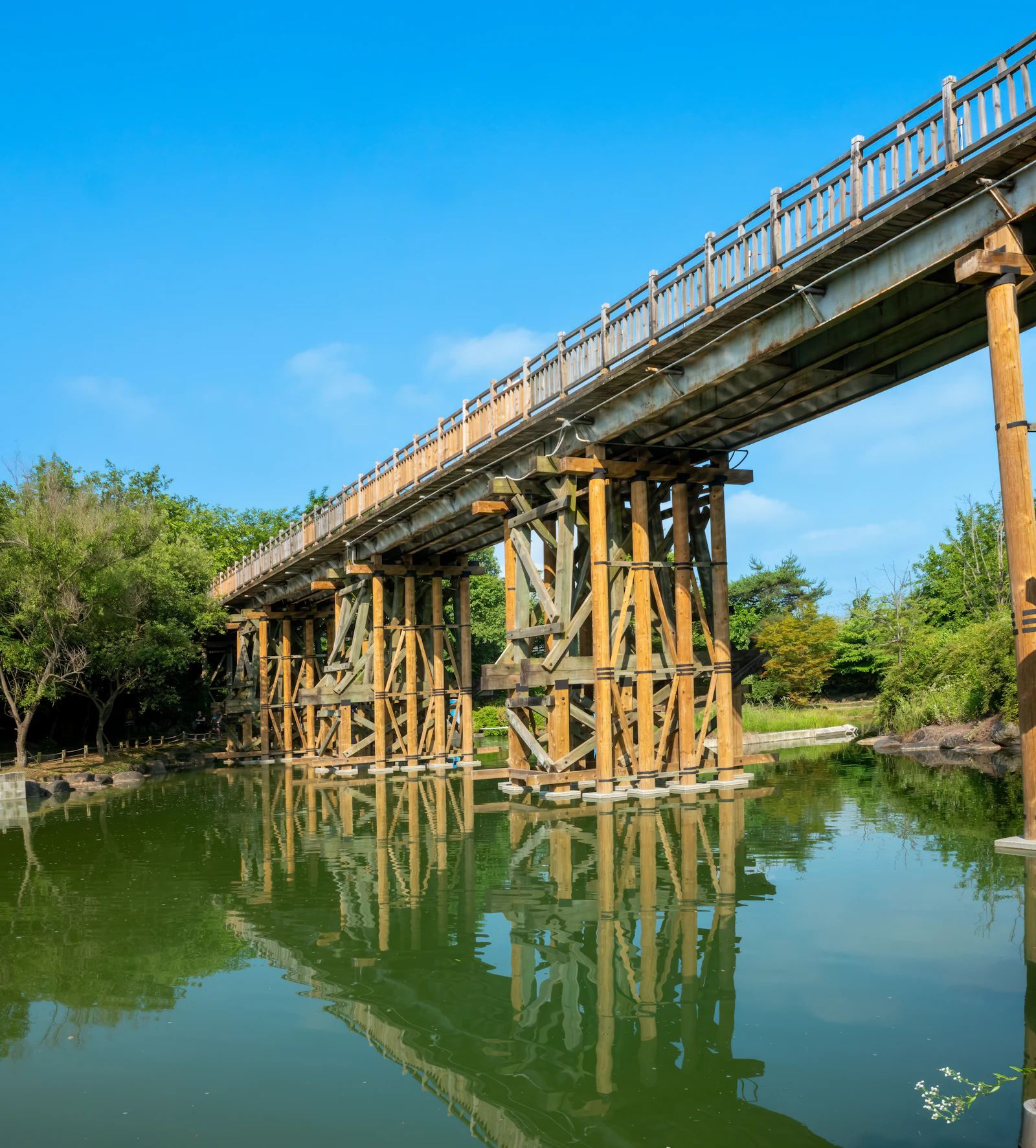
This historic bridge served as a crossing point for POWs returning home. It is a somber landmark on your DMZ tour from Seoul.
You board a coach in Seoul before dawn, the city still dark as you head north on the Reunification Highway. The road empties as you approach Paju, and checkpoints appear. Military police board to check passports.
You pass the final civilian marker and enter the Civilian Control Zone, the buffer between ordinary South Korea and the DMZ itself. Rice paddies stretch under fog. Guard towers punctuate the horizon.
At Imjingak Park, you walk past the Freedom Bridge and board a military shuttle. No private vehicles cross the checkpoint. The shuttle delivers you to the Third Tunnel entrance, where you descend a sloped walkway into cool darkness. The tunnel walls press close. You walk 350 meters to the barricade, the air heavy with the weight of rock above and the knowledge of intent below. Returning to daylight feels like surfacing.
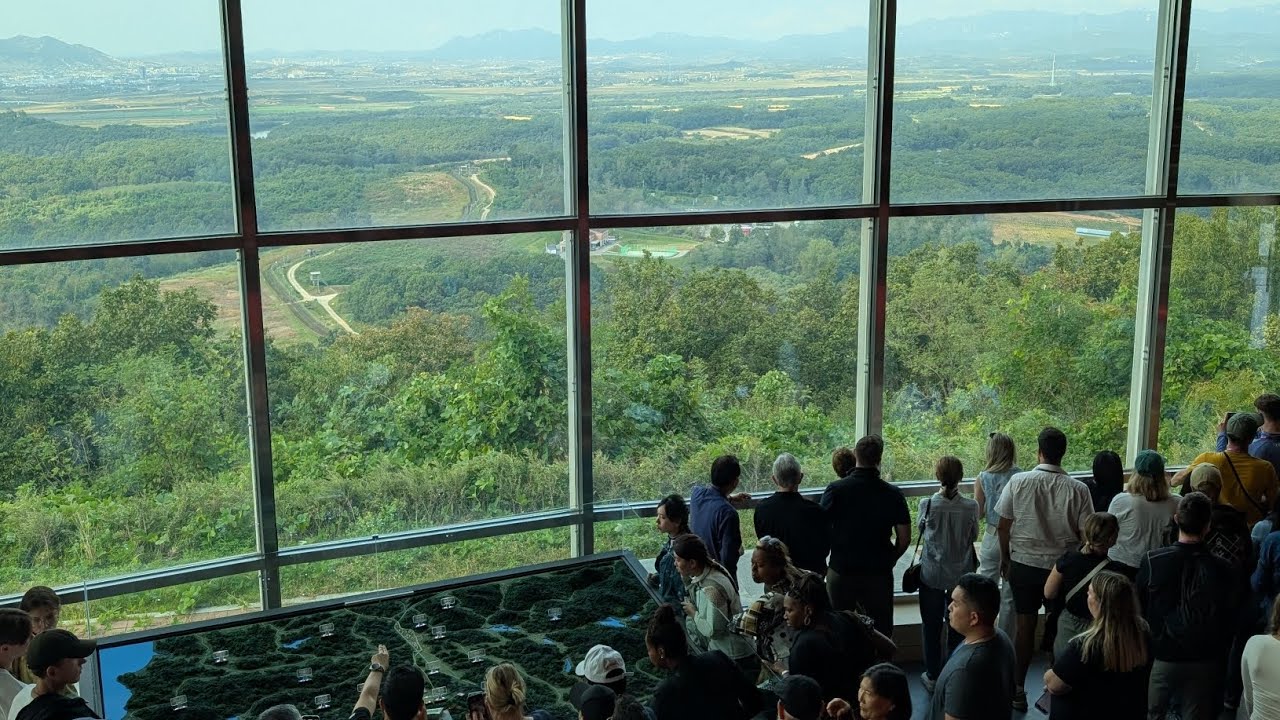
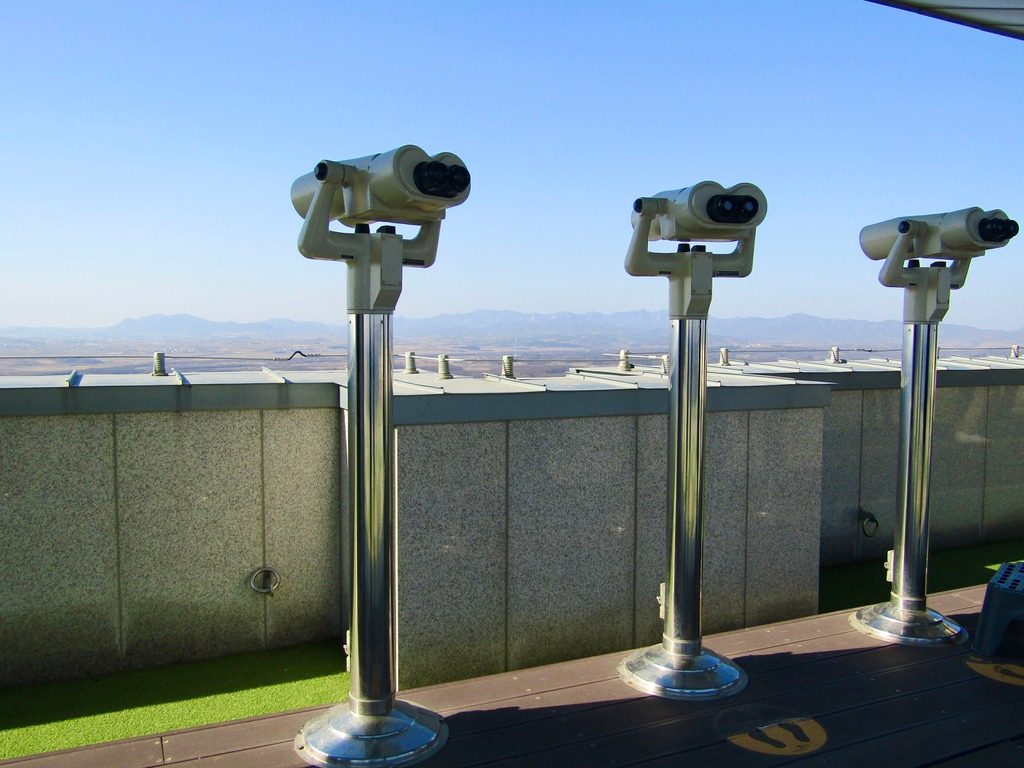
At Dorasan Observatory, you line up at the binoculars. The guide points out landmarks across the border: the flagpole, the village, the mountains beyond. You realize you are looking at a place almost no outsider will ever stand. The observation deck is quiet. A yellow line painted on the floor marks the limit of photography. You step back, and the moment holds. The return shuttle leaves at 14:30. You board in silence, the DMZ receding behind barbed wire and autumn fields.
All the details about your upcoming adventure in one place
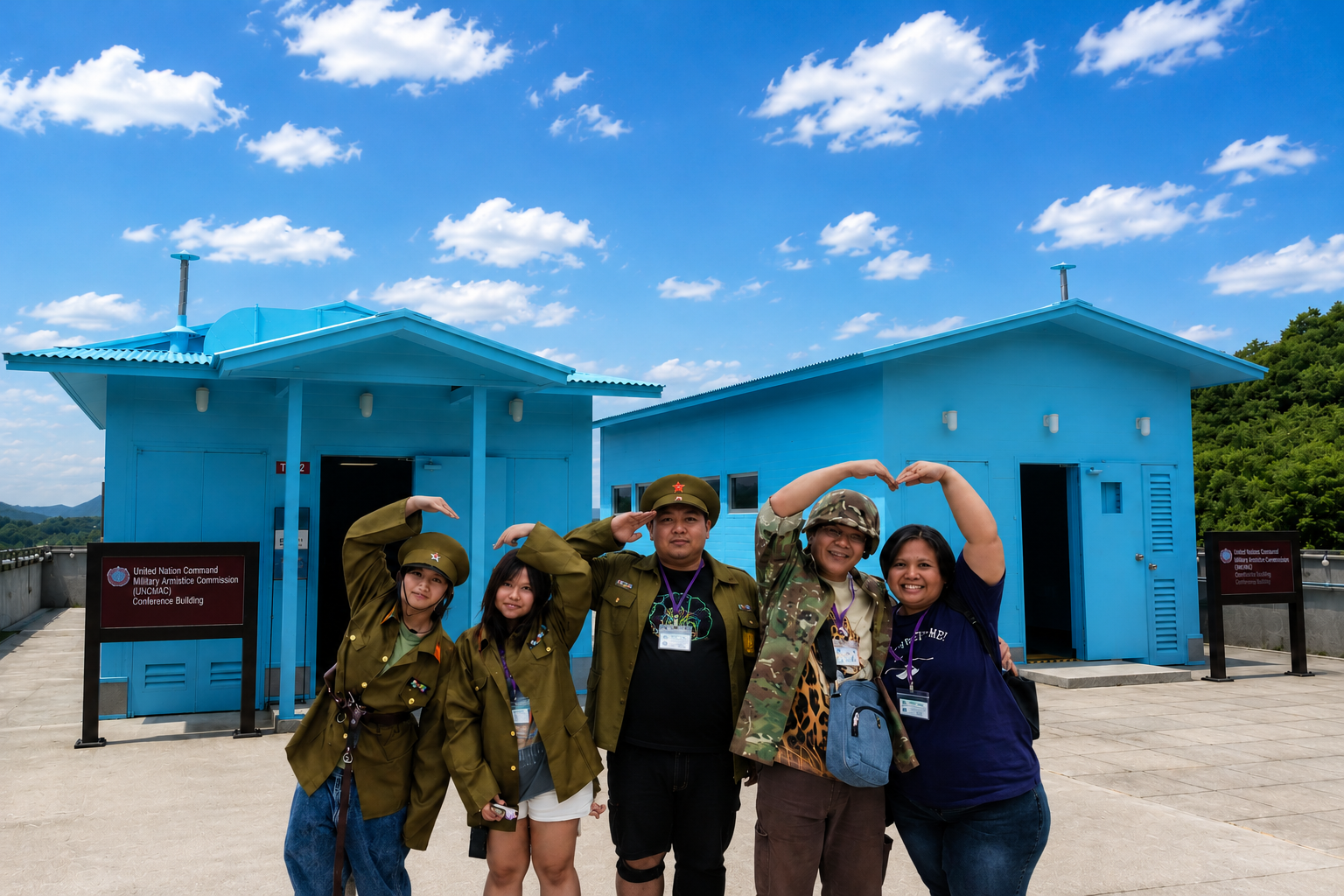
A dmz tour from seoul takes visitors to the Demilitarized Zone separating North and South Korea, approximately 50 kilometers north of the capital. These guided dmz tour from seoul tours include stops at key sites like the Third Infiltration Tunnel, Dora Observatory overlooking North Korean territory, and Dorasan Station. Travelers explore the Joint Security Area (Panmunjom) where armistice negotiations took place, walking through the blue conference rooms that straddle the military demarcation line between the two nations.
The Korean Demilitarized Zone stretches 250 kilometers across the peninsula, yet sits just 48 kilometers north of Seoul's city limits. Established in 1953 under the armistice agreement that paused the Korean War, this four-kilometer-wide buffer remains one of the most fortified borders on earth.
No peace treaty was ever signed. The DMZ exists in a state of frozen conflict, patrolled by soldiers on both sides and stitched with barbed wire, landmines, and observation posts that face each other across a strip of land where nature has quietly reclaimed what politics abandoned.
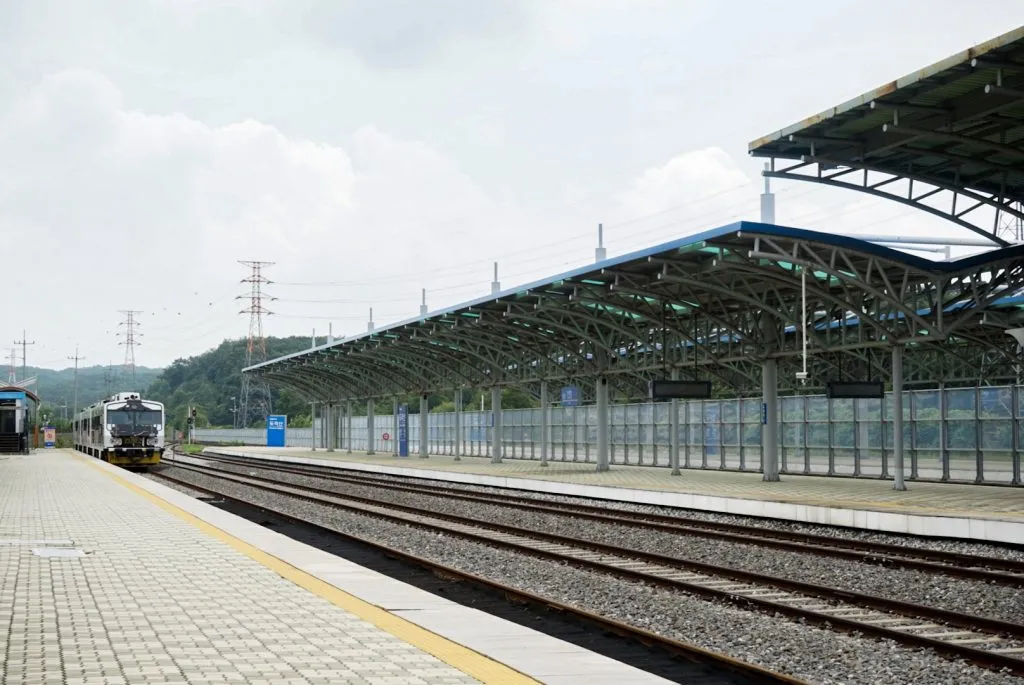
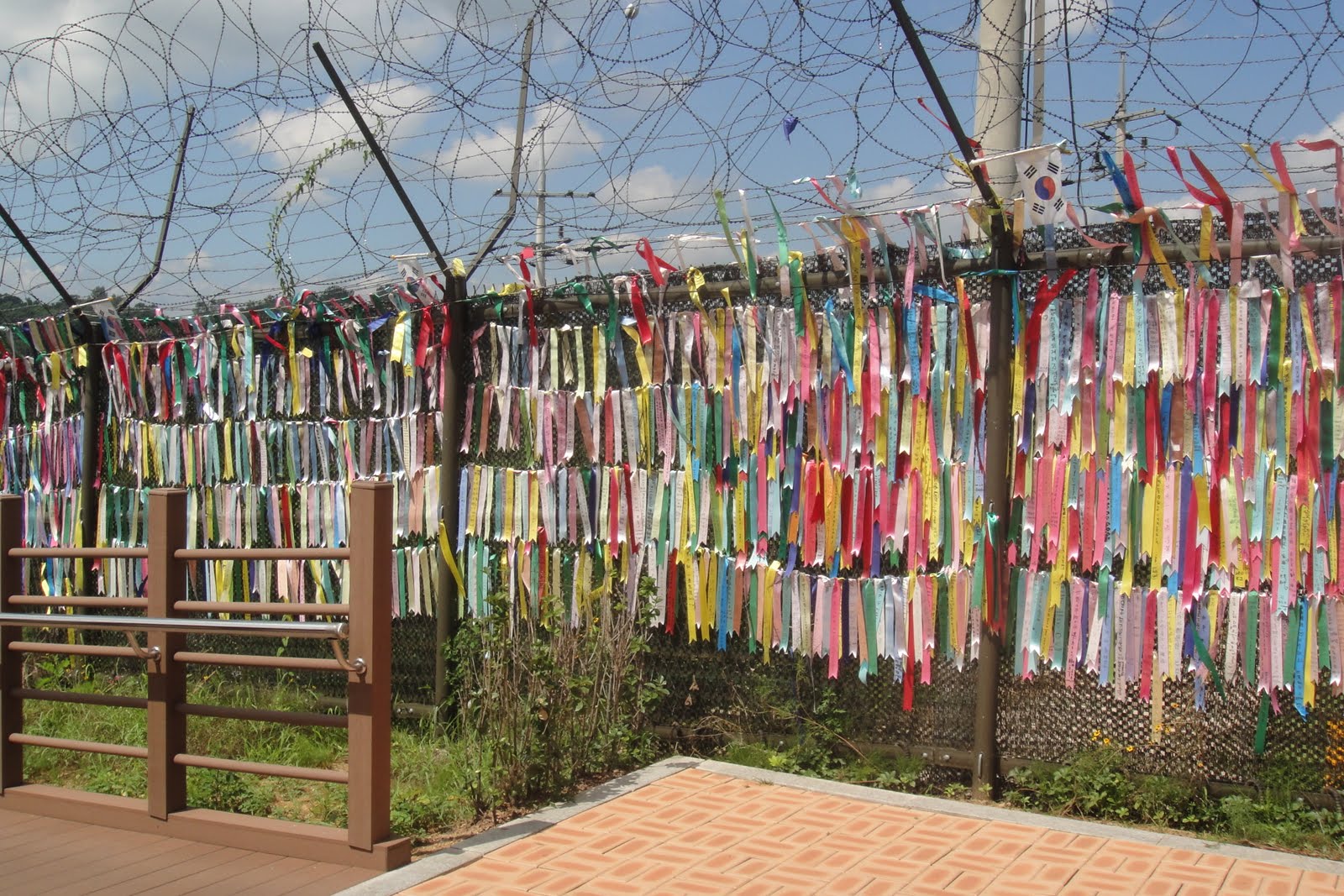
Visitors arriving at Imjingak, the civilian-accessible gateway to the DMZ, encounter a landscape of contradictions. The Freedom Bridge, once the route for 12,773 prisoners of war returning south in 1953, now stands as a monument adorned with ribbons left by families separated across the border. Beyond the checkpoint lies Dorasan Station, the northernmost rail terminal in South Korea, built in anticipation of reunification and connected to nothing. Trains do not depart. The platform is swept clean. Inside, a single departure board lists Pyongyang as a destination, fare and schedule blank. The station opened in 2002 during a brief thaw in relations. It has waited ever since.
The Third Infiltration Tunnel, discovered in 1978, descends 73 meters below the surface and runs 1,635 meters toward Seoul. North Korea dug four known tunnels under the DMZ; this one could have moved 30,000 soldiers per hour. Visitors walk through the cramped passage wearing hard hats, the granite walls still showing drill marks and the faint residue of dynamite blasting. At the end, a concrete barricade seals the tunnel 170 meters from the Military Demarcation Line. Beyond it, the tunnel continues north into silence. The air is cool and damp. No one speaks loudly.
A DMZ tour from Seoul departs daily except Monday, with groups limited by military access protocols. The DMZ Peace Tour ticket grants entry to Imjingak Park, the Third Tunnel, Dorasan Observatory, and Dorasan Station. At the observatory, mounted binoculars face Kijong-dong, the North Korean propaganda village visible across the divide. Structures stand empty. A 160-meter flagpole rises from the center, flying a 270-kilogram flag. On clear days, you can see farmers working cooperative fields under the gaze of both armies. The distance between observation posts is less than two kilometers. The silence is absolute.
The Third Infiltration Tunnel descends 73 meters below the surface and runs 1,635 meters toward Seoul.
Dress conservatively when embarking on a DMZ tour from Seoul. Avoid ripped jeans, military-style camouflage, or revealing clothing.
Security is high for any DMZ tour from Seoul. You may be asked to open all bags for inspection by military personnel.
Photography is strictly restricted to designated zones during your DMZ tour from Seoul. Always look for signage indicating where cameras are allowed.
Children are welcome on a standard DMZ tour from Seoul, but keep them close at all times. This is a sensitive military zone.
The terrain varies during a DMZ tour from Seoul. Some sites involve stairs or unpaved paths that may limit wheelchair access.
Food is not available inside the restricted zones of a DMZ tour from Seoul. Consume meals at Imjingak Park before or after your visit.
Opening Hours
09:00–14:30
Address
177 Imjingak-ro, Munsan-eup, Paju-si, Gyeonggi-do, South Korea
Base Ticket
12,200 KRW
Best Arrival
09:00–14:30
Phone
+82-31-940-4114
Official Site
https://dmz.paju.go.kr
Public transport · 90 min · Low cost
Take the Gyeongui-Jungang Line to Imjingak Station.
Car · 60 min · Parking fees apply
Drive via Freedom Road to Paju-si.
Tickets are non-refundable once purchased. Ensure your travel plans are confirmed before securing your DMZ tour from Seoul tickets.
Recommended time
4-5 hours
A typical dmz tour from seoul requires half a day to navigate security checkpoints and explore the border landscape. Guests arriving early often experience shorter wait times at the Third Infiltration Tunnel, while mid-day arrivals encounter heavier traffic near these military installations. Securing dmz tour from seoul tickets requires prompt planning, as the limited capacity impacts the efficiency of your border zone tour.
Crowd levels through the day
Weather · crowds · average price — dots go green to amber to red as each metric rises.
Clear skies provide excellent visibility for your DMZ tour from Seoul.
Cool temperatures make outdoor exploration comfortable.
Expect humid weather during your DMZ tour from Seoul.
Bitter cold; ensure warm clothing if planning a DMZ tour from Seoul.
You must carry your physical passport for every DMZ tour from Seoul. No digital copies or scans will be accepted.
Aim for 09:00 to secure same-day DMZ tour from Seoul tickets. Capacity is strictly limited.
Stay within designated paths during your DMZ tour from Seoul. Straying can cause significant security delays.
The Korean Peninsula's division began on August 15, 1945, when Allied forces accepted Japan's surrender and partitioned Korea along the 38th parallel. Soviet troops occupied the north while American forces secured the south, transforming an administrative boundary into a geopolitical fault line. On June 25, 1950, North Korean forces crossed the parallel in a surprise invasion, igniting a three-year conflict that drew Chinese and United Nations forces into brutal mountain combat and urban sieges. The war's front lines surged back and forth across the peninsula, leaving cities devastated and families separated. By July 1953, exhaustion and stalemate brought negotiators to Panmunjom, where they signed an armistice—not a peace treaty—on July 27. That document created the Korean Demilitarized Zone, a 250-kilometer buffer stretching from coast to coast, two kilometers wide on each side of the Military Demarcation Line. The DMZ's early decades saw frequent incursions and armed clashes, including the 1976 axe murder incident at Panmunjom that nearly reignited full combat. North Korea dug infiltration tunnels beneath the zone; South Korean forces discovered four between 1974 and 1990, large enough to move troops and light artillery. The Third Tunnel, found in 1978 just 44 kilometers from Seoul, became a stark reminder of ongoing tensions. Meanwhile, the civilian village of Daeseong-dong remained inside the southern half of the DMZ, its residents farming under military oversight and curfew. In 1988, Seoul's Olympic Games brought international attention to the peninsula's division, and subsequent decades saw cautious diplomatic openings. The 2000 inter-Korean summit and 2018 meetings at Panmunjom offered brief thaw, yet the armistice remains the only formal agreement. Today, dmz tour from seoul operations allow visitors to witness this frozen conflict firsthand—the concrete barriers, observation posts, and propaganda loudspeakers that define the world's most fortified border. The Korean War never formally ended, making every DMZ tour from Seoul a journey into an unresolved chapter of Cold War history.
Allied forces divide Korea along the 38th parallel after Japan's surrender, setting the stage for permanent partition.
Korean War erupts in June 1950, ending with the July 27, 1953 armistice that establishes the DMZ.
South Korean forces discover four North Korean infiltration tunnels beneath the DMZ, including the Third Tunnel in 1978.
Axe murder incident at Panmunjom nearly reignites war when North Korean soldiers kill two U.S. officers trimming a tree.
First inter-Korean summit in Pyongyang marks a cautious diplomatic opening, though tensions persist.
Leaders meet at Panmunjom's Joint Security Area, symbolically crossing the Military Demarcation Line in historic gesture.
Stand at the southern end to capture the weathered wooden beams and the vibrant ribbons tied to the fences by families. This historic landmark serves as a powerful symbol of separation and hope for reunification.
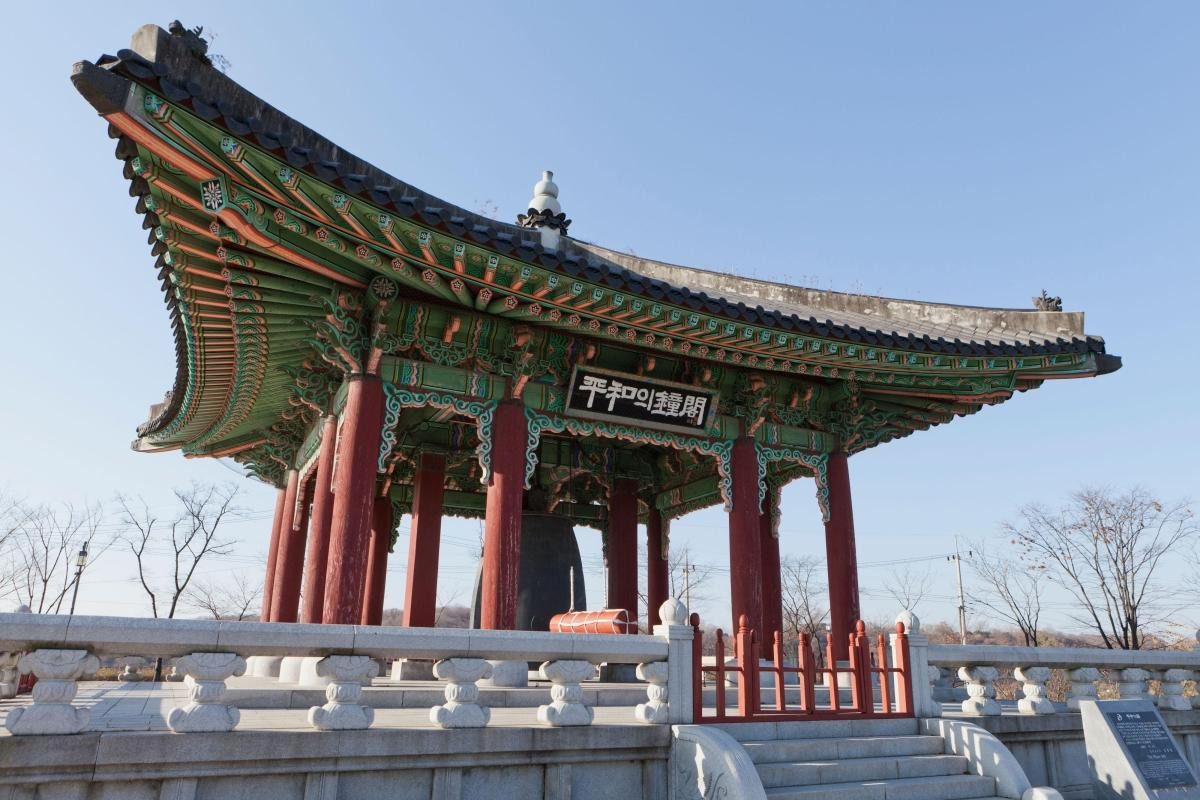
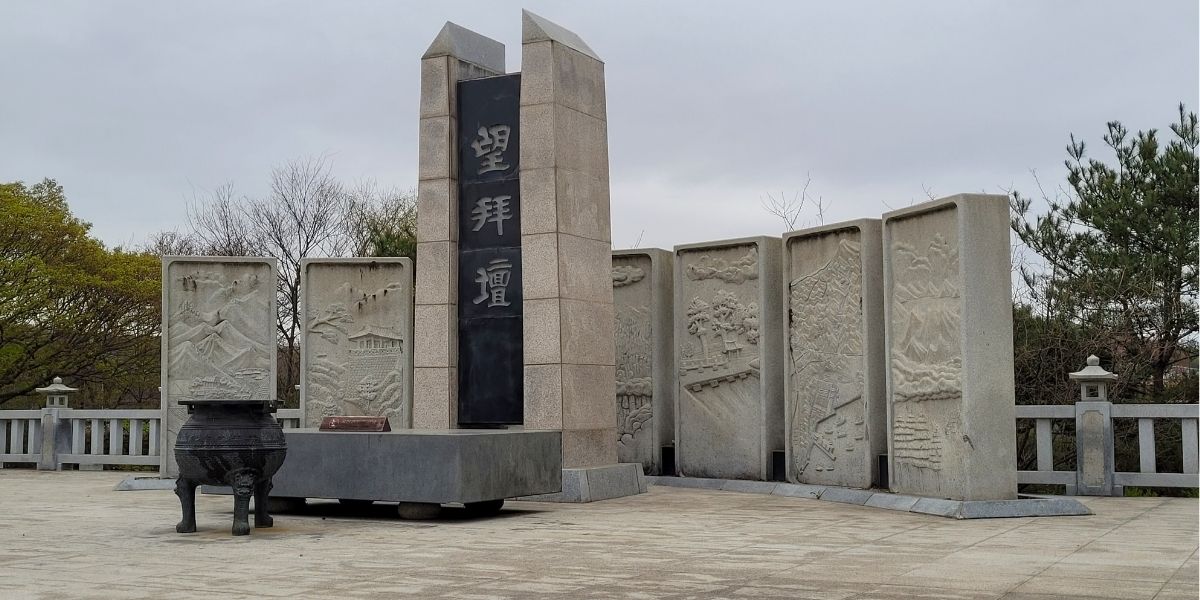
Position your camera to frame the traditional stone structures against the backdrop of the Imjingak grounds. This site provides a poignant perspective for a dmz tour from seoul as visitors pay respects to their hometowns across the border.
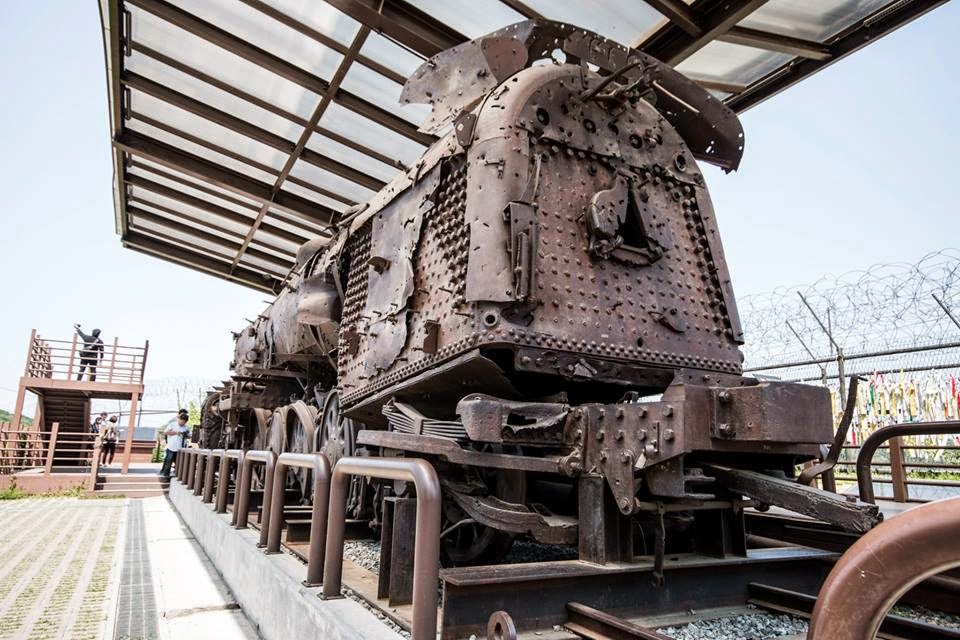
Frame the various sculptures and the steam locomotive engine displayed here to capture the contrast between past conflict and current peace efforts. This open space offers excellent wide-angle opportunities during your dmz tour from seoul tours.
Capture the detailed informative displays and maps that outline the geography of the Korean peninsula. This location is ideal for documentary-style shots while securing your dmz tour from seoul tickets.
Dining options are concentrated at Imjingak Peace Park, serving those embarking on a dmz tour from seoul. While convenient cafes and casual eateries exist, packing light snacks is advisable to maintain your schedule when using your dmz tour from seoul tickets.
Located near the parking area, this venue offers standard Korean dishes like bibimbap and ramen. It serves as a practical stop for groups preparing for their dmz tour from seoul tour.
A quiet spot for coffee and light pastries before heading to the security checkpoint. It provides a comfortable environment to review documents for various dmz tour from seoul tours.
Real experiences from real travelers
Our dmz tour from seoul exceeded expectations. The Third Tunnel descent was surreal, walking through a passage North Korea dug for invasion. Our guide provided context that made the Joint Security Area visit deeply moving. Weather was overcast which felt appropriate for the somber history.
The full-day excursion from the capital covers major sites efficiently. Standing at Panmunjom where negotiations happened gave me chills. Dora Observatory views into North Korea were clearer than I anticipated. Guide spoke excellent English and answered every question patiently.
Booked the enhanced package that includes the Joint Security Area. Worth the extra documentation requirements. Seeing the conference room where the armistice was signed, with the table split between territories, made the conflict tangible. Dorasan Station stop was poignant.
The dmz tour from seoul departs early and returns late. Third Tunnel requires decent mobility for the walk down. Imjingak Park freedom bridge memorial was moving. Lunch provided was basic Korean fare. Bring layers as the tunnel is cold year-round.
Our guide had personal family history connected to the division which added depth. The observation points looking across to North Korean villages sparked good discussion. Documentation of the armistice at the museum was thorough. September timing meant comfortable weather for the outdoor portions.
Taking a dmz tour from seoul was the most educational day of our trip. The scale of the fortifications and minefields visible from Dora Observatory is staggering. Propaganda villages in the North are visible through binoculars. Gift shop at Dorasan has unusual North Korean products.
The contrast between Seoul's modernity and the frozen-in-time DMZ zone is stark. Our group was small which allowed for questions. Standing meters from North Korean soldiers at the JSA was surreal. The tunnel carved through granite shows the invasion attempt scale.
Comprehensive dmz tour from seoul tickets included all entry fees and transportation. The civilian control zone restrictions give the area an eerie quiet. Imjingak Park memorials to separated families were touching. Guide expertise on the 1950-53 war added valuable context.
The proximity to an active military border makes this unlike any other tours. Third Infiltration Tunnel discovery story is remarkable. Dora Observatory staff were knowledgeable about the North Korean structures visible across the demarcation. Photography restrictions are strictly enforced for security.
Anyone interested in geopolitics should take this excursion. The JSA briefing before entering the conference room area is thorough. Dorasan Station platform with tracks leading nowhere symbolizes the division perfectly. Guide maintained appropriate tone between educational and respectful throughout.
Everything you need to know for your journey
The site is closed on Mondays, but other days are open. Always check before starting your DMZ tour from Seoul.
Yes, you must present your physical passport. This is mandatory for your DMZ tour from Seoul entrance.
The base ticket price is 12,200 KRW per person for the tour. Always carry cash for your DMZ tour from Seoul tickets.
Tickets are limited and distributed on a first-come, first-served basis starting at 09:00.
The site is open from 09:00–14:30. Ensure you arrive within this window for a DMZ tour from Seoul.
Yes, the area is heavily monitored and safe for visitors. Follow all security rules during your DMZ tour from Seoul.
Children are permitted on a DMZ tour from Seoul. Keep them close at all times.
Photography is allowed in specific zones only. Ask your guide before taking photos during your DMZ tour from Seoul.
Most take the train to Imjingak Station. It is the most reliable way to begin a DMZ tour from Seoul.
Extensive park featuring memorials and monuments.
Historical wooden bridge used by returning soldiers.
Underground exhibition space inside the DMZ area.
Convenient access to Paju attractions
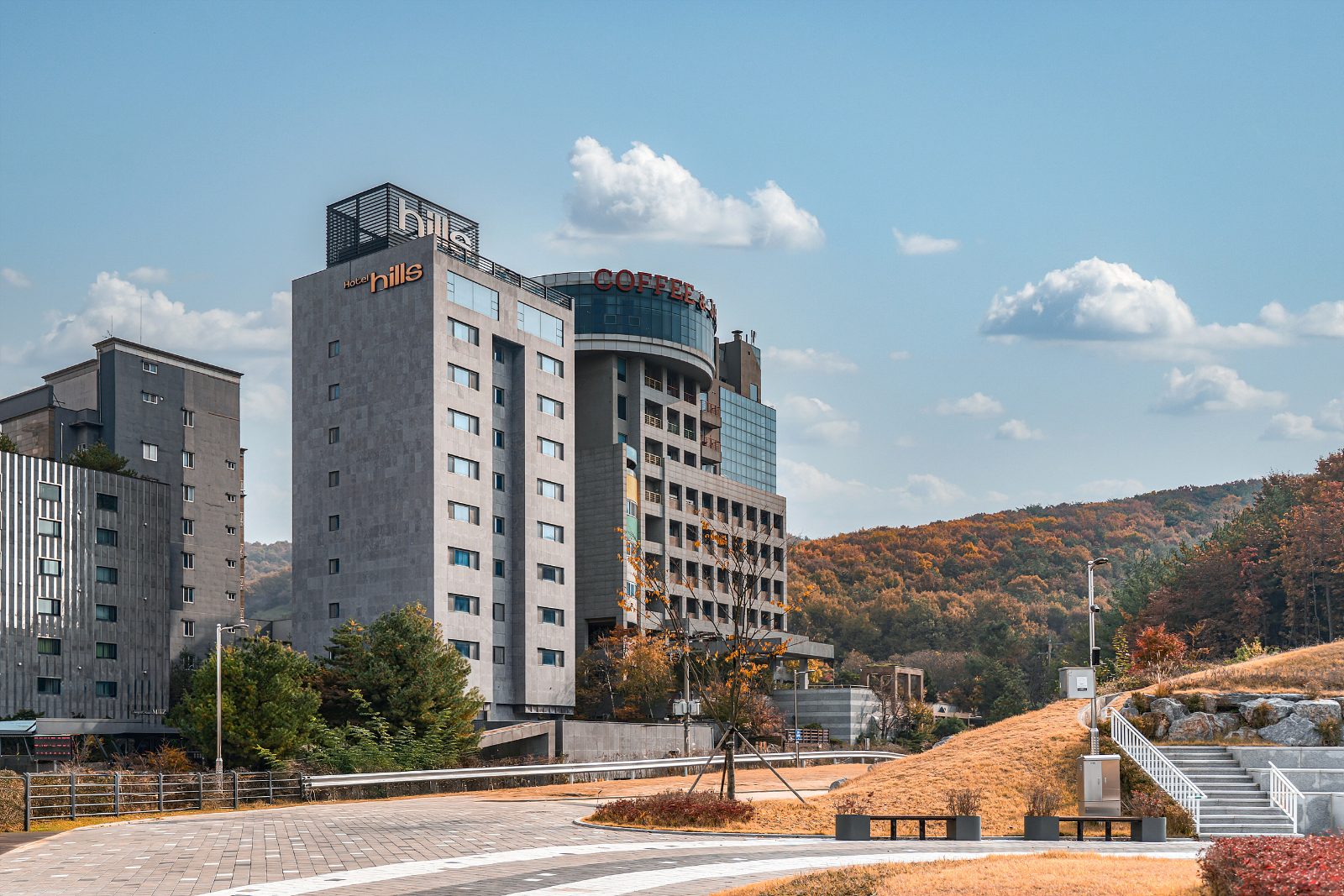
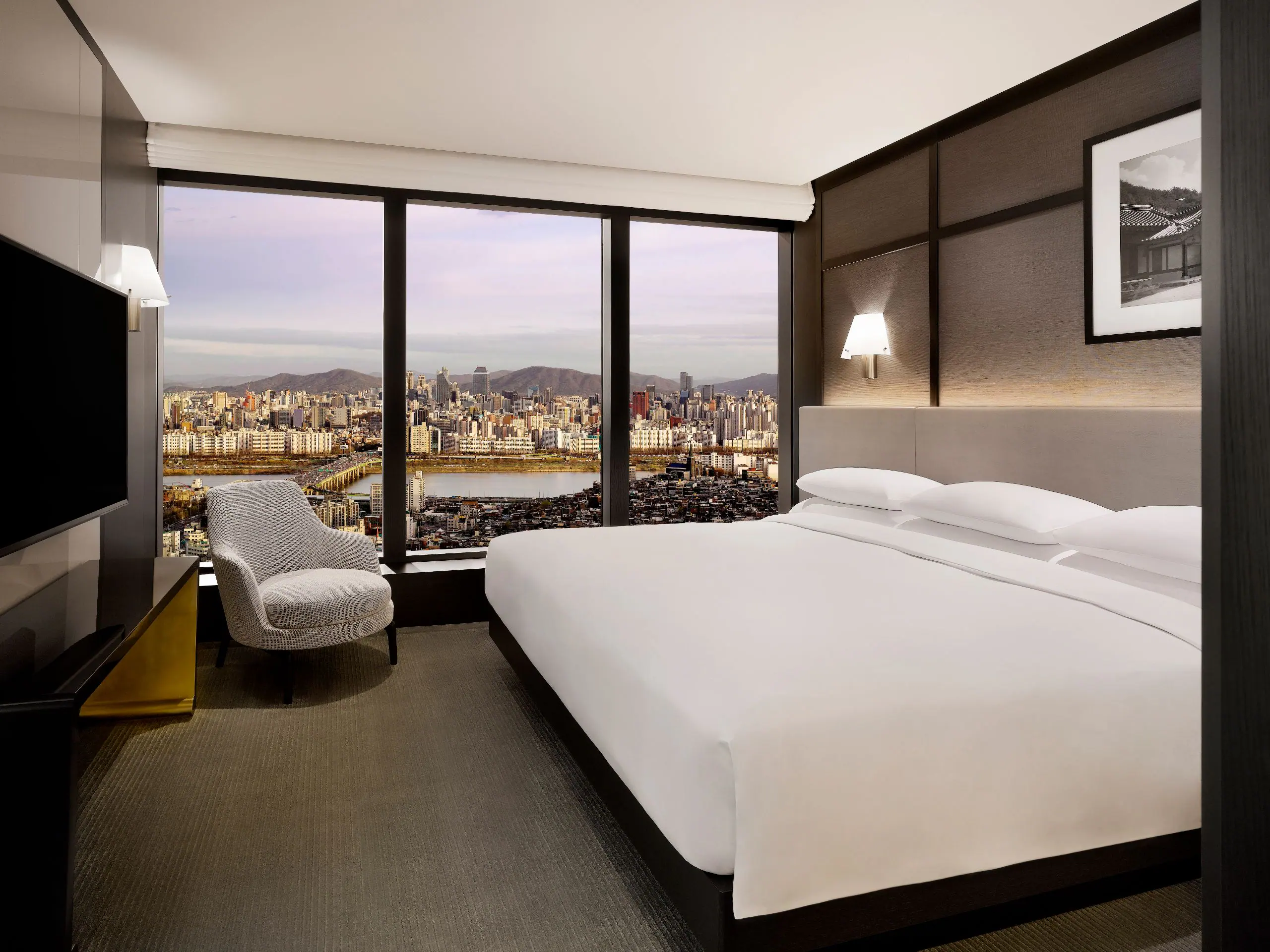
Urban stay before a DMZ tour from Seoul
Affordable options in Seoul center
Join thousands of happy travelers who have discovered this incredible experience
Book Your Experience Now