Quick answer
Yes, civilians can visit designated areas of the DMZ in South Korea through authorized tours that operate Tuesday through Sunday from 09:00 to 14:30, with Monday closures. All visitors must present a valid passport, book in advance through licensed operators, and follow military escort protocols. The base entrance fee is 12,200 KRW per person, though tour packages typically include additional sites. Access is limited to approved zones—the Joint Security Area at Panmunjom requires separate clearance and sells out weeks ahead.
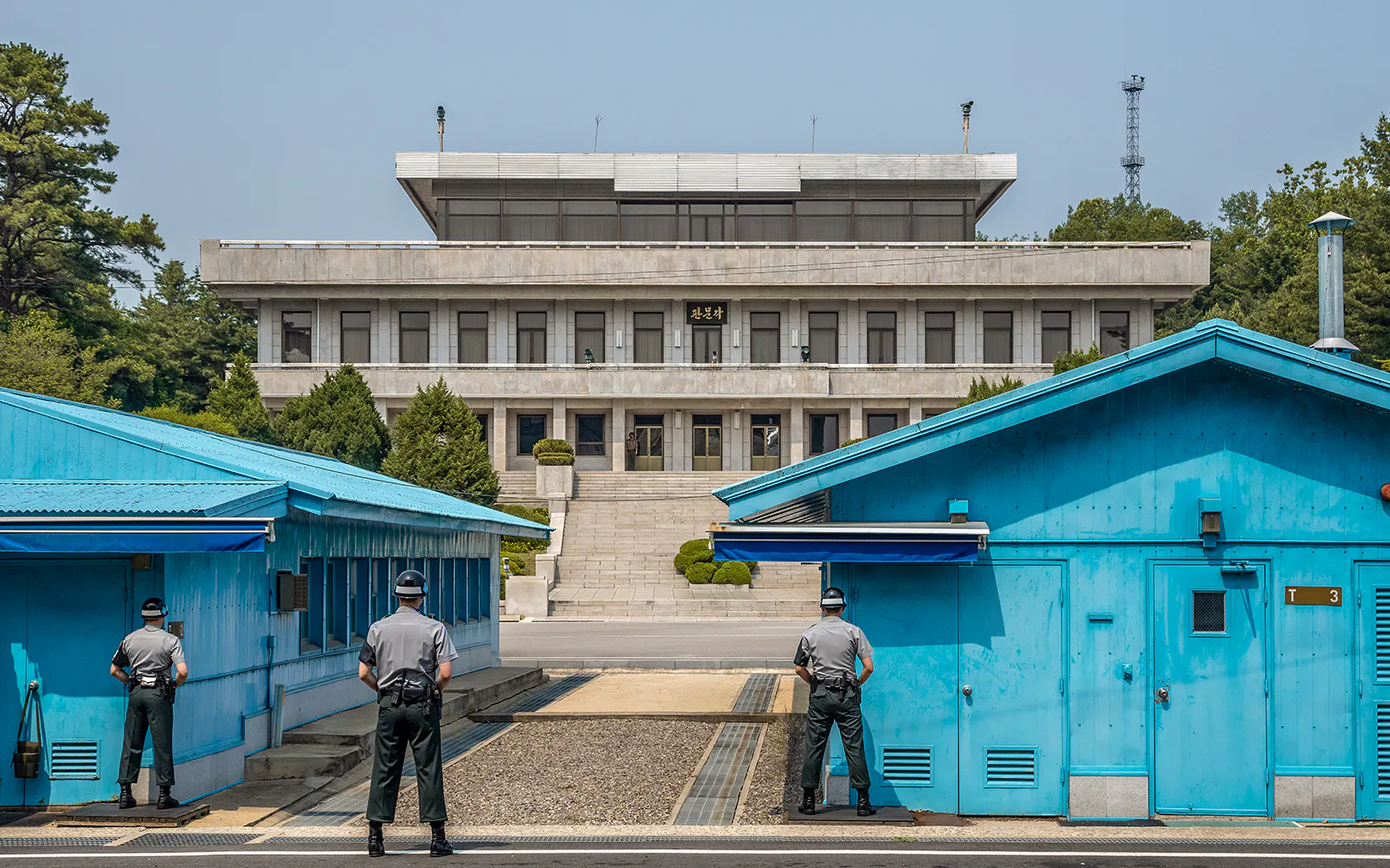
The 250-kilometer buffer zone separating North and South Korea has remained largely frozen since the 1953 armistice, yet portions of the southern half now accommodate over one million civilian visitors annually. This paradox—a war zone open to tourism—reflects decades of carefully negotiated access protocols between the United Nations Command, the Republic of Korea military, and civilian authorities in Gyeonggi-do province. Visiting the demilitarized zone in South Korea means navigating a three-tier permission structure. The outermost Civilian Control Zone, extending south from the DMZ proper, requires no special clearance and hosts the Imjingak Peace Park and observation platforms. The DMZ itself—the four-kilometer-wide strip bisecting the peninsula—permits entry only at designated checkpoints under military escort. The Joint Security Area at Panmunjom, where North and South Korean soldiers stand meters apart, demands passport verification, dress code compliance, and liability waivers signed days before departure. Daily visitor quotas for Panmunjom fill rapidly during spring and autumn; securing a spot in September or October typically requires booking three to four weeks out. The touring experience hinges on which zones your itinerary covers. Standard DMZ packages from Seoul include the Third Infiltration Tunnel, Dora Observatory overlooking North Korean territory, and Dorasan Station—the northernmost rail stop in South Korea, built in anticipation of reunification that remains unrealized. These sites operate under the 09:00–14:30 access window enforced at the civilian checkpoints near Imjingak. Photography restrictions apply variably: observation decks permit landscape shots toward the north but prohibit images of South Korean military installations, guard posts, and personnel. Your military escort will signal when cameras must be stowed. Practical preparation centers on documentation and timing. Tours departing Seoul begin pickup between 07:00 and 08:00 to reach the entry checkpoints within the morning access window. Passport checks occur at multiple stages; photocopies and digital scans are rejected. Visitors from countries without diplomatic relations with South Korea face additional scrutiny and may be denied Panmunjom access regardless of advance booking. The demilitarized zone remains an active military zone where regulations shift with inter-Korean tensions—tours suspend without notice during joint military exercises or security incidents.
“The 250-kilometer buffer zone has remained largely frozen since the 1953 armistice, yet portions of the southern half now accommodate over one million civilian visitors annually.”
When Can You Visit the DMZ in South Korea: Operating Hours
The DMZ operates on a set weekly schedule, remaining closed every Monday to the public. Visitors may access the area Tuesday through Sunday within the designated morning and afternoon hours.
| Monday | Closed | |
|---|---|---|
| Tuesday | 09:00–14:30 | |
| Wednesday | 09:00–14:30 | |
| Thursday | 09:00–14:30 | |
| Friday | 09:00–14:30 | |
| Saturday | 09:00–14:30 | |
| Sunday | 09:00–14:30 |
How to Visit the DMZ in South Korea: A Step-by-Step Guide
Visiting the DMZ requires advance booking and proper documentation due to military security protocols. The process typically takes 2-3 days from booking to visit completion.
Visit the official DMZ Peace Tour website or contact authorized operators to confirm available dates, as daily visitor quotas fill quickly and Monday closures reduce weekly capacity.
Submit passport details for security clearance
Provide full passport information during booking—foreign nationals need 3-7 business days for military approval, and incomplete submissions cause automatic rejection.
Receive confirmation and meeting instructions
Wait for clearance approval via email, which includes your designated meeting time at Imjingak Peace Park and a list of prohibited items (drones, military-style clothing).
Arrive at the checkpoint with original documents
Reach the Imjingak security checkpoint 30 minutes before your scheduled slot with your physical passport—photocopies and digital IDs are not accepted for military zone entry.
Pass through military security screening
How to Get to the DMZ in South Korea
The DMZ visitor center is located at 148-57 Imjingak-ro, Munsan-eup, Paju-si, Gyeonggi-do, South Korea. The most common approach from Seoul is via public rail or private vehicle.
Gyeongui-Jungang Line to Munsan Station, then local bus or taxi
Korail DMZ Train from Seoul Station to Imjingang Station
Route 1 (Tongil-ro) north toward Paju
Preparation Checklist: Can You Visit the DMZ in South Korea Prepared
Security checkpoints at the DMZ require specific documentation and advance preparation.
-
Book your tour in advance — Daily quotas fill quickly, especially during peak season.
-
Bring valid passport or ID — Korean nationals need an ID card; foreign visitors must carry their passport.
-
Wear closed-toe shoes and long pants — Shorts, sandals, and revealing clothing are prohibited in the military zone.
-
Arrive 30 minutes early — Check-in and security screening take time before the scheduled departure.
-
Charge your phone fully — Photography is restricted in many areas, but permitted zones allow device use.
-
Pack light, leave drones behind — Large bags slow security; drones and professional camera equipment require special permits.
Rules for Visiting: Can You Visit the DMZ in South Korea Safely
The DMZ remains an active military zone where security protocols are non-negotiable. Compliance with photography restrictions and conduct rules ensures both your safety and continued civilian access.
Do
- Follow your guide's instructions at all times without deviation
- Dress conservatively—no shorts, sleeveless tops, or flip-flops permitted
- Keep cameras stowed in restricted photography zones
- Bring your passport—photocopies and digital IDs are not accepted
- Stay within marked boundaries and designated visitor areas
Don't
- Don't point, wave, or gesture toward North Korean territory
- Don't photograph military personnel, equipment, or restricted installations
- Don't wear clothing with political slogans or controversial symbols
- Don't wander from your group or enter unmarked areas
- Don't use drones or recording devices without explicit authorization
Check availability
Frequently Asked Questions About DMZ Tours
Everything you need to know about can you visit the dmz in south korea