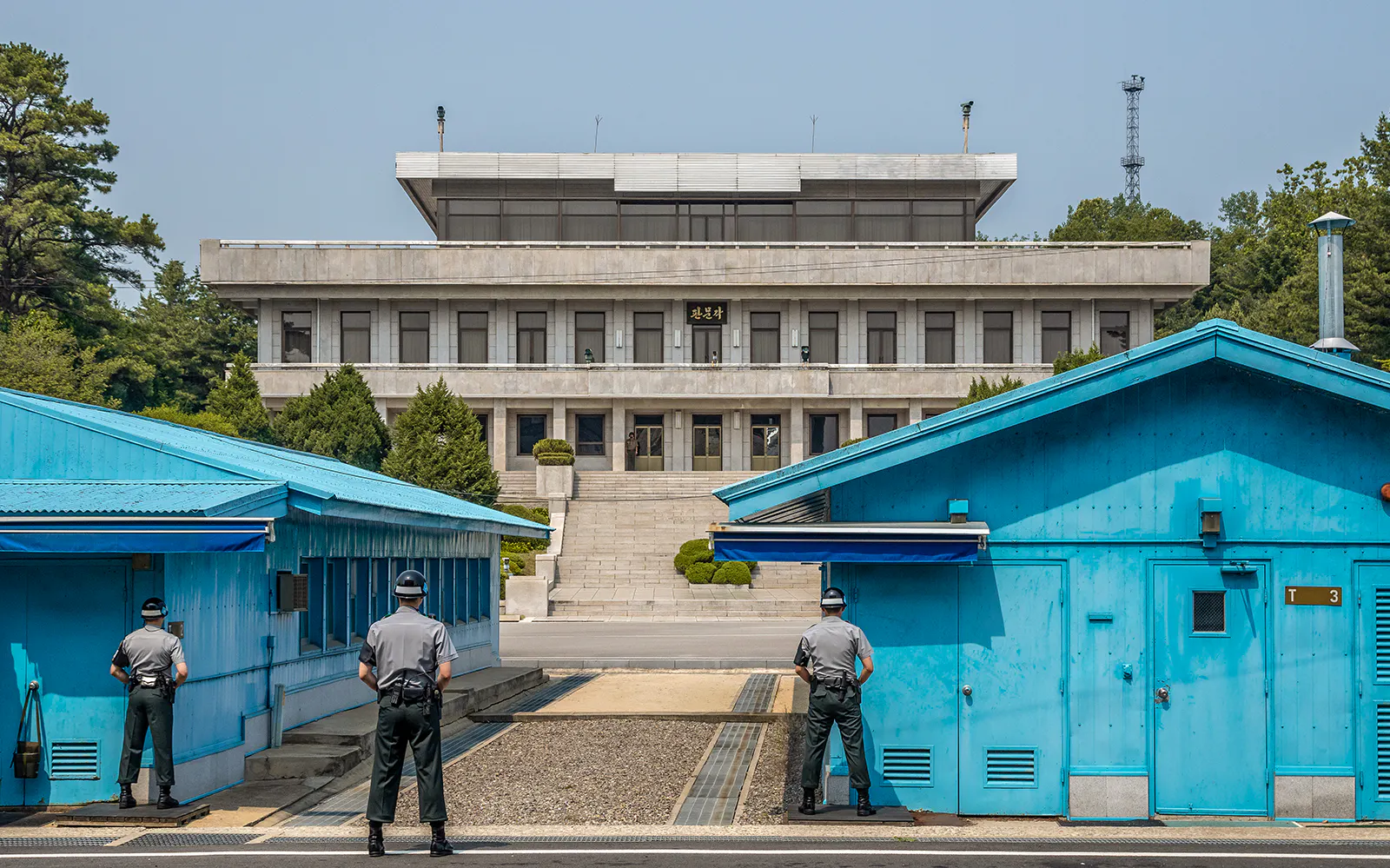
7 hr
DMZ Tour with North Korean Defector Q&A
- Expert local guide
- Small group
- Skip-the-line access
- Free cancellation
DMZ Tour From Seoul Half Day — Reserved Entry & Expert Guides
The world's most fortified border, a morning from Seoul.
Compare fares, pick the fit — all bookings are mobile-voucher and eligible for free cancellation where shown.
7 hr
7 hr
6 hr
Selecting the right ticket for your dmz tour from seoul half day requires choosing between the monorail-assisted access for the Third Tunnel or the traditional walking route. These official DMZ Peace Tour options provide essential entry to the border areas, including the Dora Observatory.
|
Top pick Monorail Access Elevator & Rail |
Walking Access Incline Walk | |
|---|---|---|
| Base Entrance Fee | 12,200 KRW | 9,200 KRW |
| Tunnel Access | Shuttle Monorail | Steep Incline Walk |
| Physical Requirement | Low (Seated) | High (Steep Incline) |
| Included Sites | Tunnel, Observatory, Village | Tunnel, Observatory, Village |
| Best For | First-timers | Budget-minded visitors |
| See tickets & prices |
Verdict: For the most comfortable experience on your dmz tour from seoul half day tour, the monorail ticket is recommended to bypass the steep 350-meter descent.
Worth it for history seekers, skip otherwise
A dmz tour from seoul half day costs between ₩65,000–₩95,000 depending on whether you add defector interviews or specialized guides, roughly five to eight times the base ₩12,200 entrance fee for independent access to the 3rd Tunnel. That premium buys three things: guaranteed transport across the restricted military zone, expert narration of Cold War history and armistice politics, and skip-the-ticketing logistics at sites that sell out by mid-morning. Tours from Seoul targeting the DMZ half-day format compress the experience into four to five hours, covering the Third Infiltration Tunnel, Dora Observatory overlooking North Korea, and Dorasan Station. Independent travel requires navigating military checkpoints, passport checks, and limited public transit—practical only for Korean speakers with flexible schedules. The organized option pays off for first-time visitors prioritizing convenience and context over cost, especially when retired officers or defectors provide firsthand accounts that no guidebook replicates.
Bottom line: Pay the premium if you want hassle-free access and expert storytelling; go solo only if you speak Korean and prize flexibility over convenience.
They complement each other; most visitors who do both call the full-day experience more immersive, while the dmz tour from seoul half day is the most efficient choice for time-pressed travelers.
|
Top pick Half-Day Tour |
Full-Day Tour | |
|---|---|---|
| Duration | 5–6 hours | |
| Core Sites | 3rd Tunnel & Dora Observatory | |
| Add-ons | None or minimal | |
| Lunch | Not included | |
| Pace | Fast and efficient | |
| Best for | Tight schedules or early flights | |
| Transit time | Approx. 3 hours | |
| See tickets & prices |
Verdict: If you have limited time in the capital, book the dmz tour from seoul half day tours to see essential historic landmarks, but upgrade to a full-day dmz tour from seoul half day tour if you want to include extra sites like a suspension bridge and a local lunch.
Hand-picked experiences loved by thousands of travelers
6 hours
Free Cancellation
Explore the Korean Demilitarized Zone guided by former Special Forces officers and intelligence veterans
7 - 8.5 hours
Free Cancellation
Explore the Korean border, descend into an infiltration tunnel, and hear a defector's powerful story
8 hours
Free Cancellation
Journey beyond the usual tourist sites to Korea's most authentic DMZ sector with tunnel access and views into North Korea
8 hours
Free Cancellation
Discover Korea's divided history at the DMZ, explore an infiltration tunnel, and enjoy mountain views
10 hours
Free Cancellation
Design your perfect Korean day trip with dedicated transport and complete itinerary freedom
10 hours
Free Cancellation
Personalized tour with your own driver to explore Gapyeong's scenic attractions at your preferred pace
4 hours
Free Cancellation
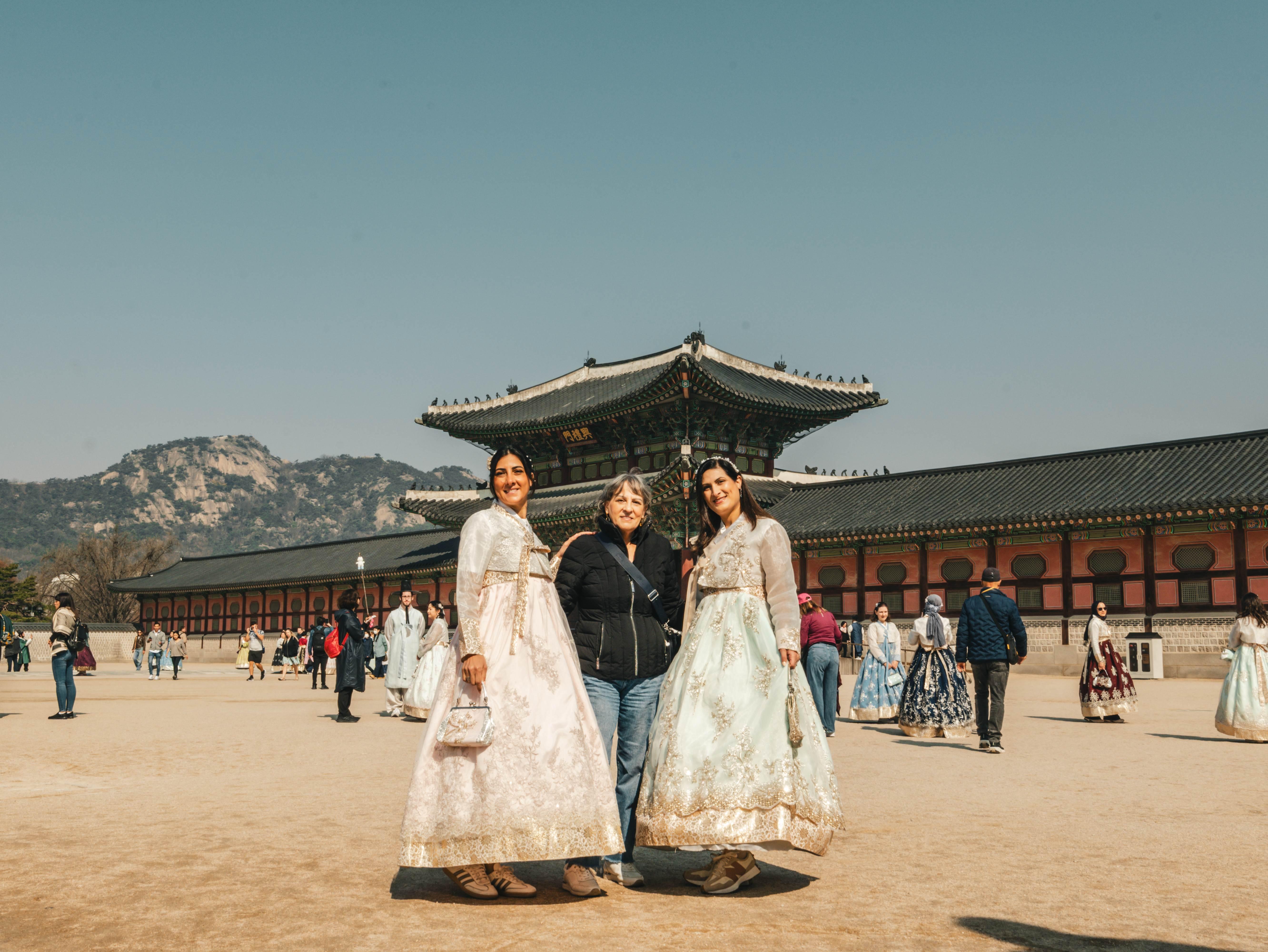
Explore Gyeongbokgung Palace in traditional dress, witness the royal guard ceremony, and wander historic Bukchon village
2 hours
Free Cancellation
Discover authentic Korean flavors at Gwangjang Market with a local guide and fellow food lovers
Document verification and briefing
Walking tour of the tunnel facility
Displays on Korean division history
Views across the border landscape
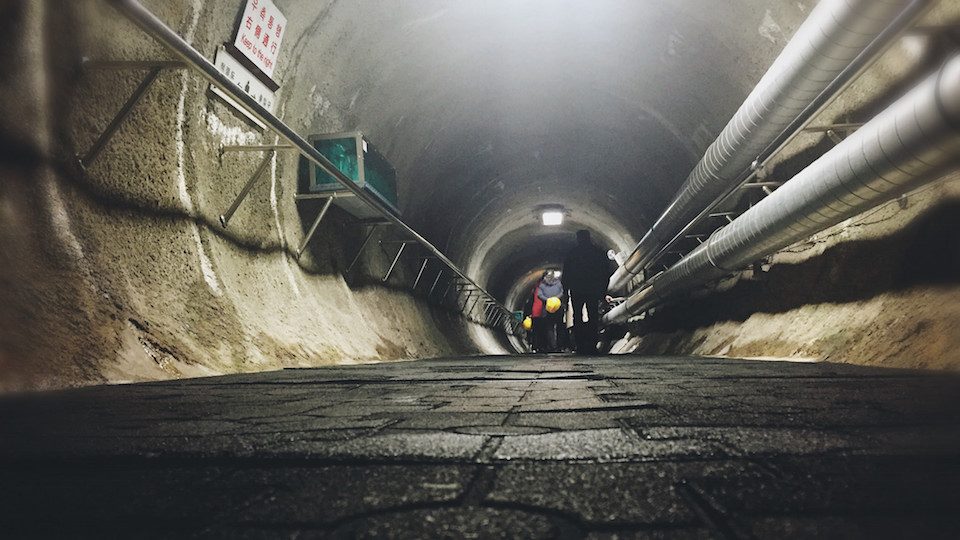
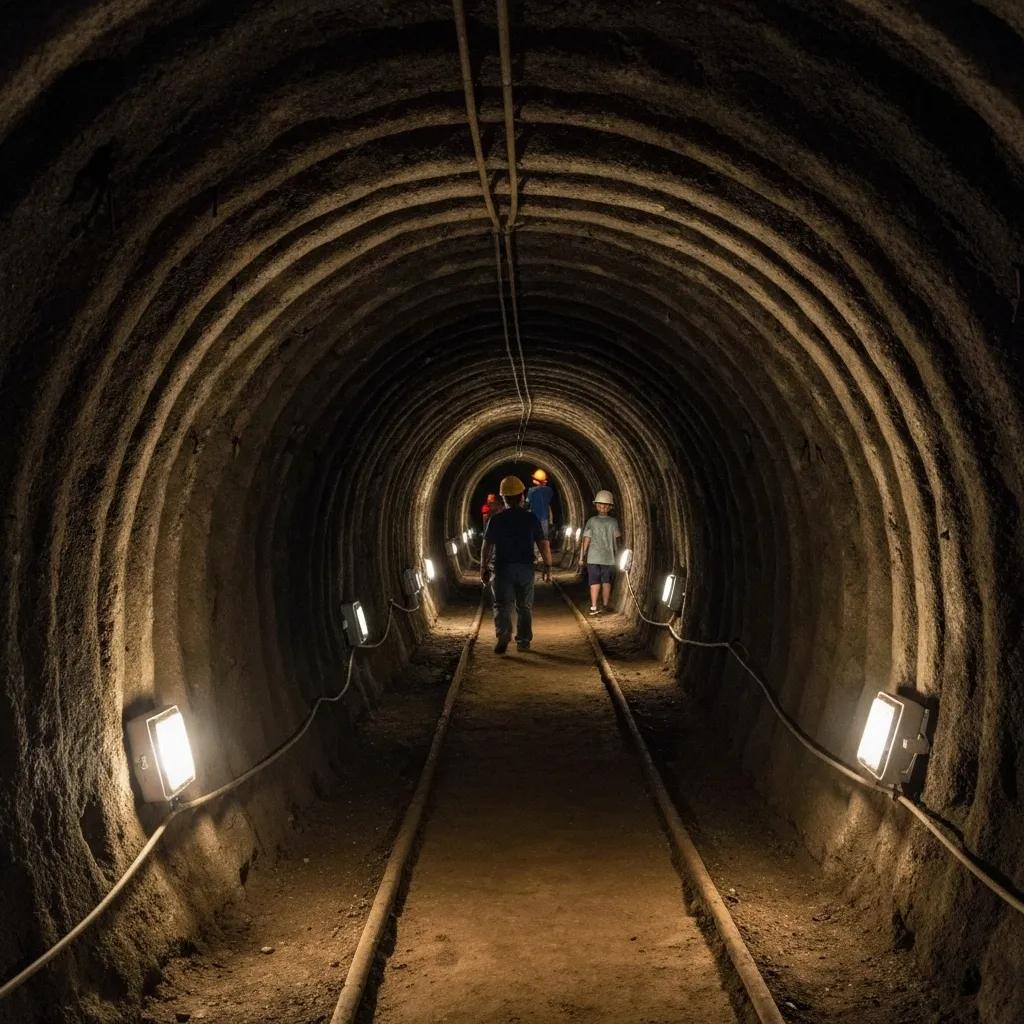
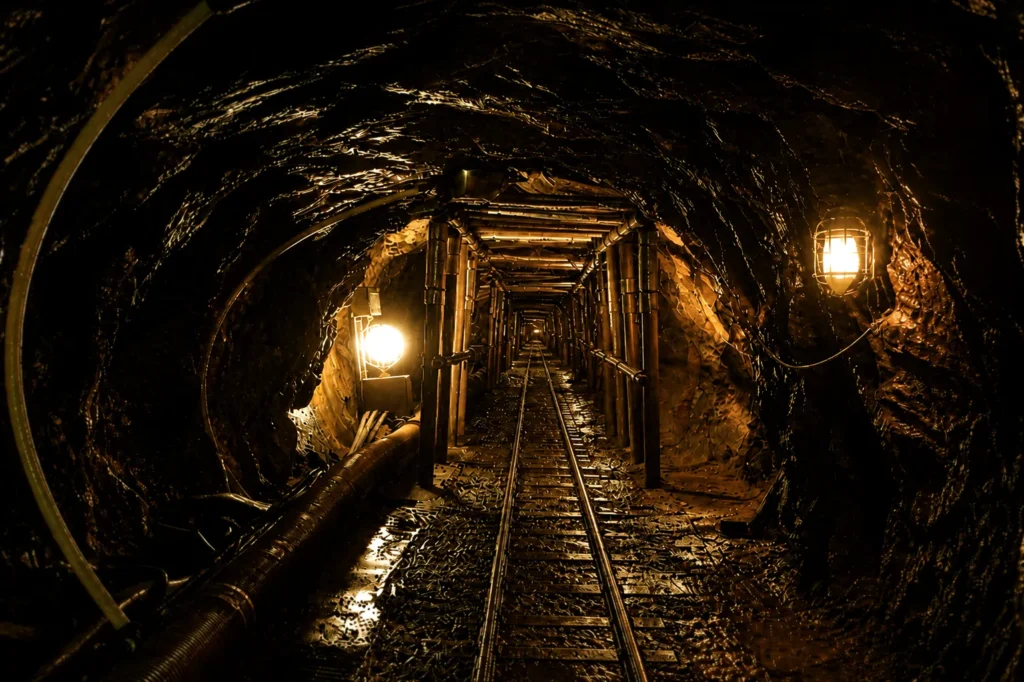
This 1,635-meter long tunnel was discovered in 1978 and serves as a major site for a dmz tour from seoul half day tour. Its steep passage provides a stark view into the history of the border region.
The hall features detailed maps and historical artifacts covering the division of the peninsula. It is a key stop on any dmz tour from seoul half day.
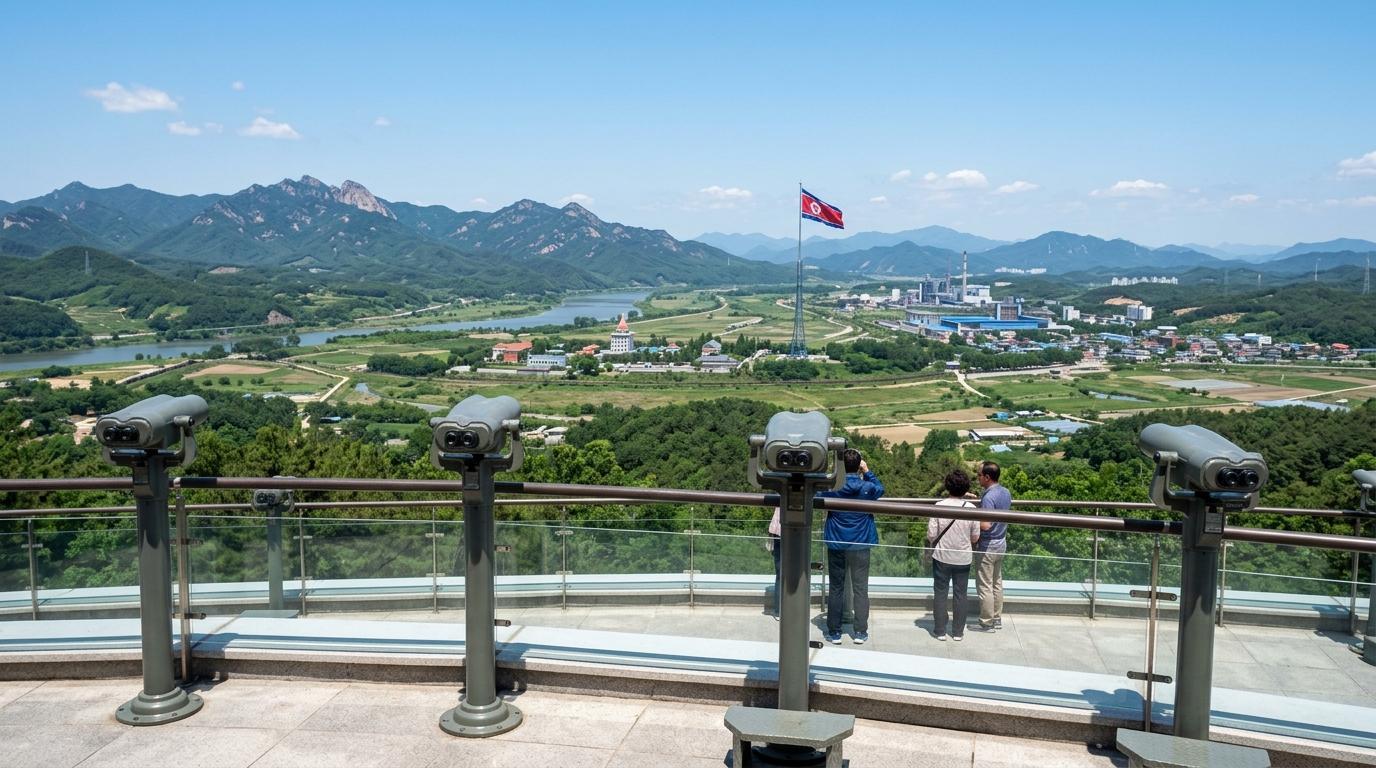
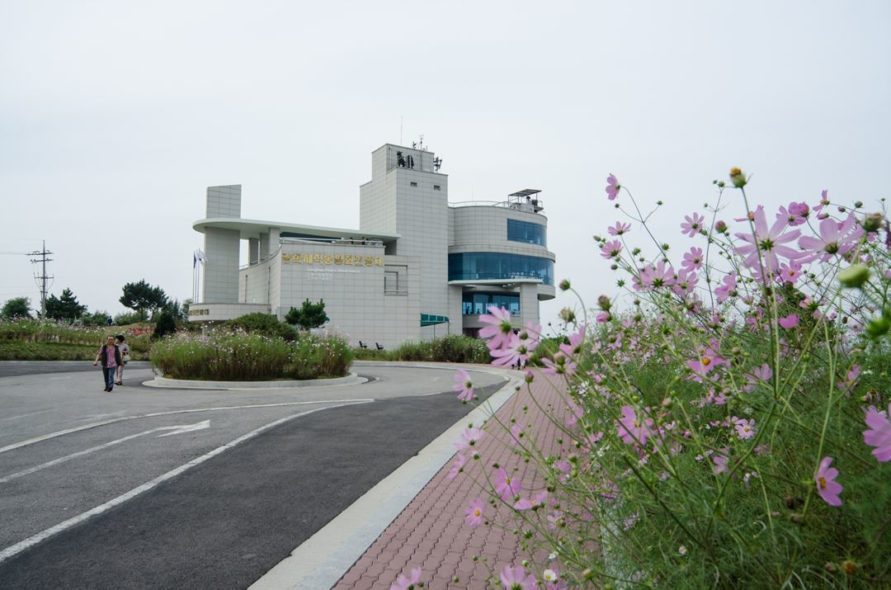
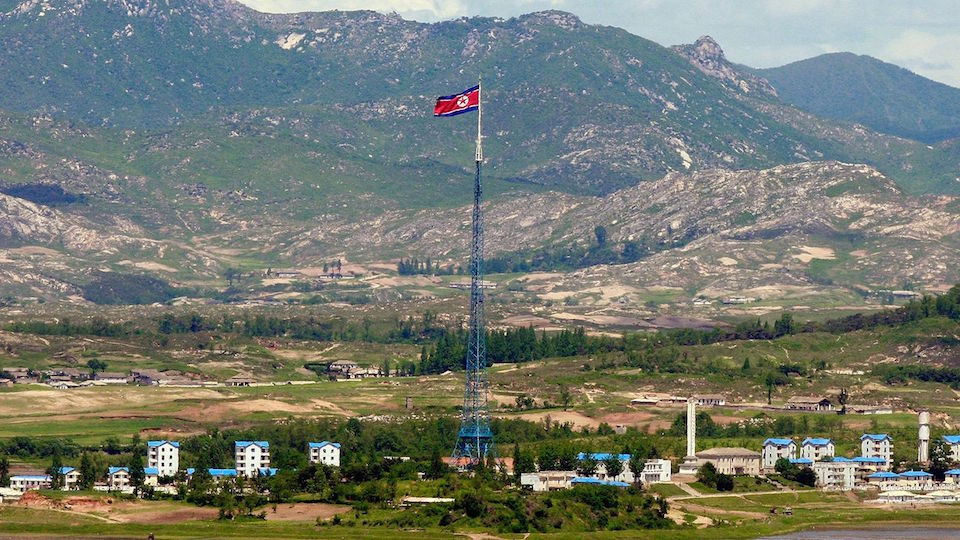
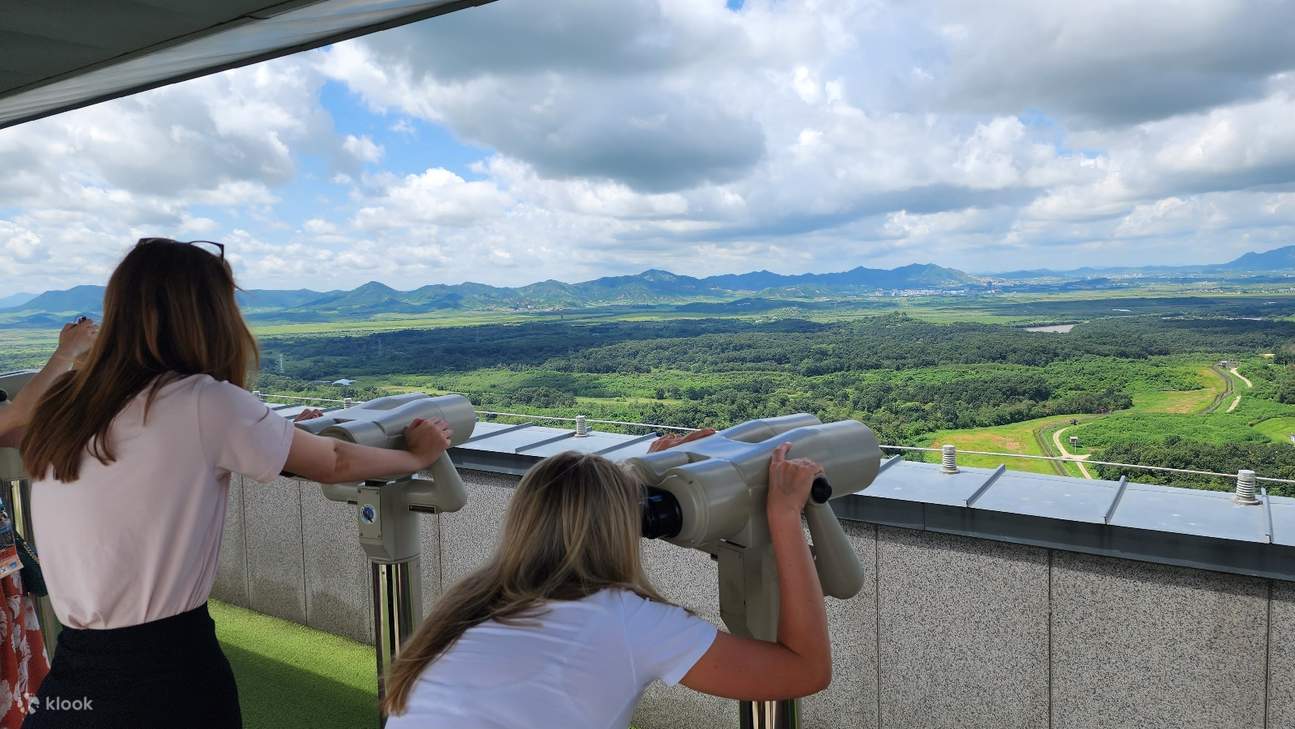
From this vantage point, visitors can observe the landscape toward North Korea using powerful binoculars. It remains the most requested feature of a dmz tour from seoul half day.
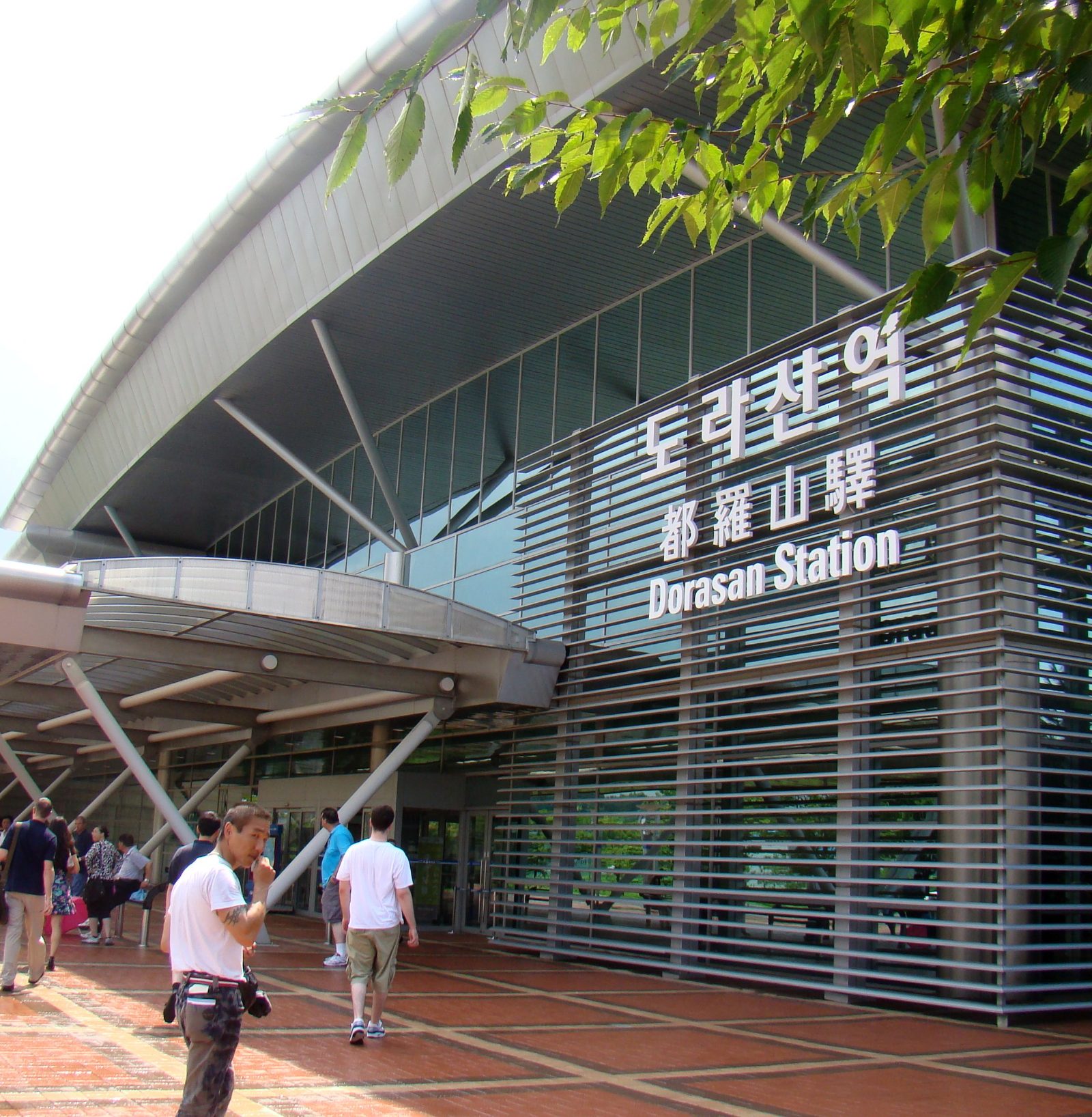
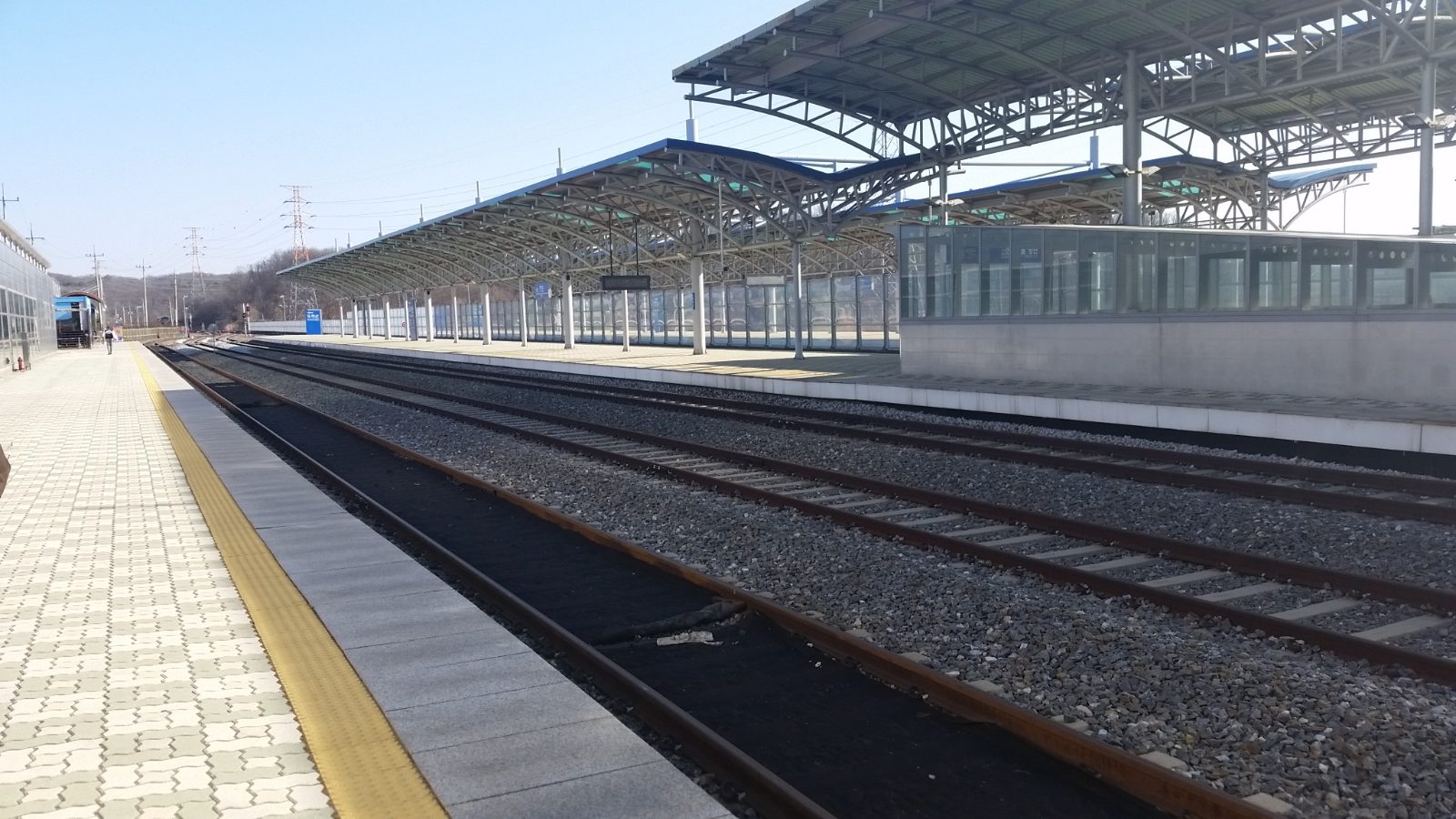
As the northernmost station, it symbolizes the potential for future rail travel between North and South. It is often included in a dmz tour from seoul half day.
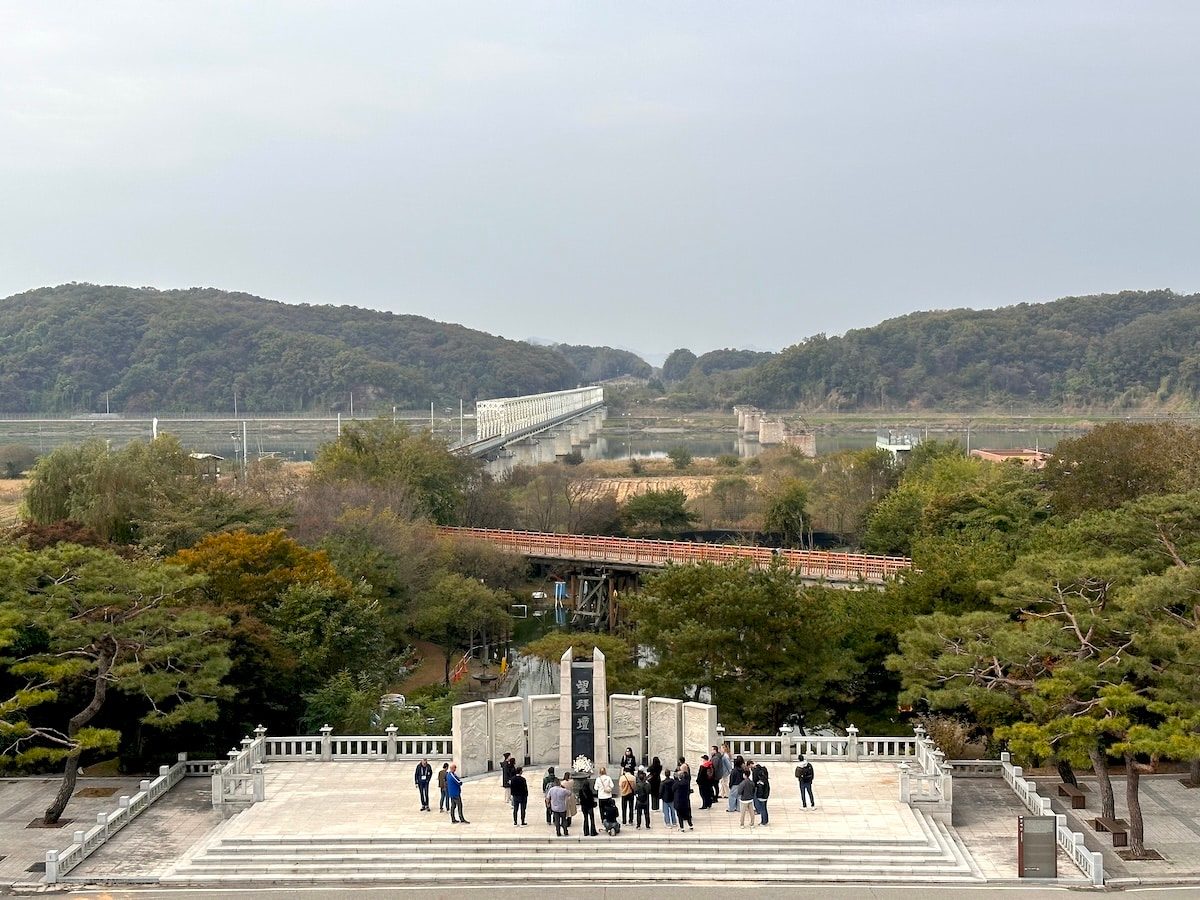
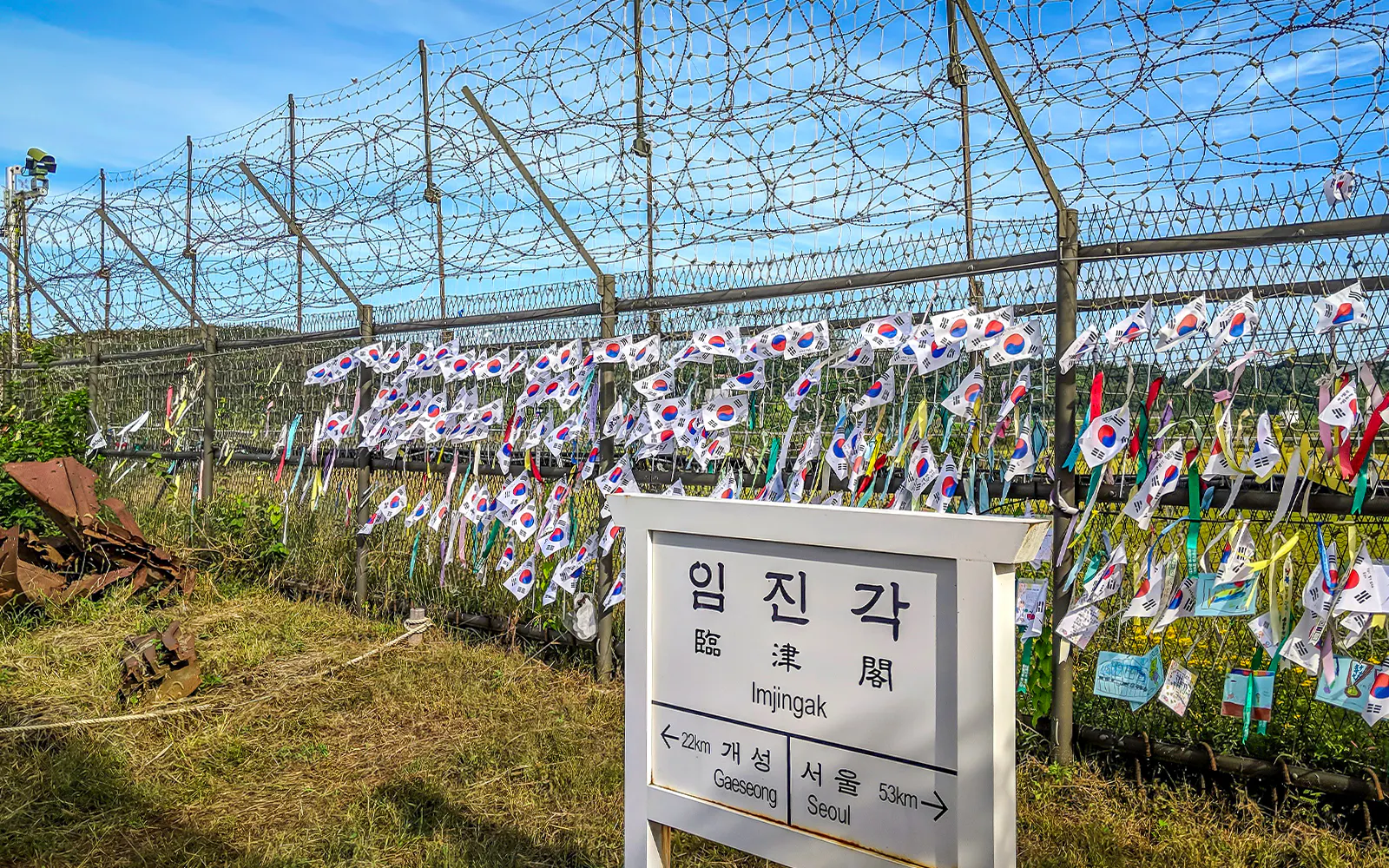
This site houses various monuments and the Mangbaedan Altar, which serves as a site for families displaced by the border. It acts as the gateway for your dmz tour from seoul half day.
Your morning begins at Imjingak Park, where you pass through the Civilian Control Line checkpoint with passport in hand. The coach follows Highway 1 north, and within thirty minutes you descend 73 metres into the Third Tunnel of Aggression.
You walk the concrete-reinforced section of the infiltration passage, the air cool and damp, until you reach the first barricade 170 metres from the Military Demarcation Line. Returning to the surface, you board the DMZ Theatre for a 20-minute orientation film before continuing to Dora Observatory.
At the observatory you stand behind the yellow line — the closest point civilians can approach the border without military clearance. Through mounted binoculars you scan Kaesong, the 160-metre flagpole in Kijong-dong, and the forested hills of the North Korean interior. On certain tours a North Korean defector joins the group for a 30-minute Q&A session, answering questions about escape routes, family separation, and adjustment to life in Seoul. You return through Paju, arriving back in central Seoul by early afternoon. The entire DMZ tour from Seoul half day excursion runs four to five hours, leaving your afternoon free.
All the details about your upcoming adventure in one place
The Korean Demilitarized Zone was established on 27 July 1953, yet remains the most heavily militarized border on Earth. Stretching 250 kilometres across the peninsula and four kilometres wide, the DMZ holds an estimated two million landmines and is patrolled by soldiers from both sides.
Within this frozen conflict zone lies the Third Tunnel of Aggression, discovered in 1978 — one of four known infiltration passages dug by North Korea beneath the border, this one capable of moving 30,000 troops per hour toward Seoul. The tunnel descends 73 metres below ground and runs 1,635 metres in length, its walls still bearing drill marks and dynamite-blackened stone.
Today the DMZ functions as both geopolitical flashpoint and accidental nature reserve. The absence of human settlement since 1953 has allowed rare species — Asiatic black bears, red-crowned cranes, endangered leopards — to reclaim the buffer zone. Dora Observatory, positioned on Mount Dora at the zone's southern edge, offers the closest civilian vantage point into North Korea. On clear days visitors can see Kaesong Industrial Complex, Propaganda Village with its 160-metre flagpole, and the terraced fields of collective farms through mounted telescopes. The observatory sits just 500 metres from the Military Demarcation Line.
Imjingak Park, the departure point for most DMZ half day tours, houses the Freedom Bridge — the route 12,773 prisoners of war crossed in 1953 returning south. The park's Mangbaedan altar remains a pilgrimage site where separated families perform ancestral rites facing north, unable to visit hometowns now across the border. The Bridge of No Return, visible from certain observation points, earned its name in 1976 after the axe murder incident when it became the final prisoner exchange site between North and South.
Several DMZ tour from Seoul half day options now include meetings with North Korean defectors, individuals who escaped the regime and resettled in the South. These Q&A sessions provide first-person accounts of life under the Kim dynasty, bridging the 73-year informational divide. The Civilian Control Line, established five to twenty kilometres south of the DMZ itself, marks the final checkpoint before entering the restricted zone. All visitors must carry passports, and photography restrictions apply at military installations.
The Third Tunnel could move 30,000 troops per hour toward Seoul — its walls still bear drill marks from 1978.
Dress in respectful, conservative clothing suitable for a sensitive border zone. Avoid military-patterned clothing or overly casual beachwear.
All visitors must undergo security checks and present valid government-issued photo identification to enter the zone. Large bags are generally prohibited; keep personal belongings to a minimum.
Photography is strictly limited to designated areas only. Always follow the instructions of military personnel regarding where cameras are permitted.
The site is educational and appropriate for older children. Note that there is significant walking involved which may be challenging for small children or strollers.
Some areas of the DMZ involve steep inclines or stairs, particularly within the tunnel sections. Accessible routes exist for main exhibition areas but contact the DMZ visitor center regarding specific mobility limitations.
Food and drink options are limited inside the restricted area. Visitors should eat before arrival or bring light refreshments allowed by tour operators.
Opening Hours
09:00–14:30
Address
210-358, Je3ttanggul-ro, Gunnae-myeon, Paju-si, Gyeonggi-do, South Korea
Accessibility
Varies by facility section
Arrival
09:00–14:30
Storage
Limited availability
Navigation
Official site dmz.paju.go.kr
Public transport · 120 min · Varies
Use local bus routes to Paju or official DMZ tour shuttles
Car · 90 min · Not applicable
Access restricted to authorized tour vehicles or pre-arranged transport
Cancellations must be made within the specified window provided by your tour operator to receive a full refund. The 12,200 KRW base entrance fee for DMZ Peace Tour is typically included in your booking cost.
Recommended time
4-5 hours
Planning a dmz tour from seoul half day requires an early start to navigate security checkpoints and popular landmarks like the 3rd Tunnel. Visitors choosing dmz tour from seoul half day tours often find that the best arrival window is 09:00–14:30, as ticketing is limited and frequently sells out by mid-morning. If you are securing your dmz tour from seoul half day tickets, prioritize reaching the site early to avoid peak congestion and ensure access to the underground infiltration tunnel.
Crowd levels through the day
Weather · crowds · average price — dots go green to amber to red as each metric rises.
Mild temperatures make walking between sites comfortable during April and May.
Expect high humidity and heat; carry water while exploring the site.
Clear visibility offers better views at the observatory in September and October.
Cold temperatures require heavy coats for outdoor waiting areas.
Tickets often sell out by mid-morning so secure your spot well in advance.
Always carry your physical passport as digital copies are generally not accepted for security entry.
Stay with your designated group at all times while inside the restricted zone.
The best arrival window is 09:00–14:30 to avoid the busiest afternoon periods.
Check local conditions before departure as severe weather can impact operations at the site.
The Korean Demilitarized Zone came into existence on July 27, 1953, when the Armistice Agreement was signed at Panmunjom, halting three years of armed conflict. The agreement created a 250-kilometer buffer stretching across the peninsula, two kilometers wide on each side of the Military Demarcation Line. Neither side achieved the reunification it sought. The zone became the most heavily fortified border on earth, patrolled by soldiers who maintain a state of readiness that has endured for seven decades. The 3rd Infiltration Tunnel was discovered in October 1978 by South Korean forces after intelligence reports and seismic detection work pointed to underground activity. North Korean engineers had excavated the passage through solid granite, reaching a depth of seventy-three meters and extending 1,635 meters toward Seoul. The tunnel's dimensions allowed the movement of an entire infantry division per hour. Three earlier tunnels had already been found, but this one came closest to the capital. Blast holes angled toward North Korea were carved into the walls in a failed attempt to suggest Southern origin. The tunnel was sealed with concrete barriers, and a segment was opened to visitors in 1978, becoming a focal point for dmz tour from seoul half day itineraries. Dora Observatory, established on a ridge overlooking the North, allows civilians to view Propaganda Village and the Kaesong Industrial Complex through mounted telescopes. The Joint Security Area at Panmunjom, where the armistice was signed, became the symbolic heart of the divided peninsula. Access to these sites remains tightly controlled by the United Nations Command and South Korean military authorities. The shift from pure military buffer to curated historical destination began in the 1980s, with dmz tour from seoul half day tickets now representing one of the most frequently booked categories for visitors seeking direct exposure to Cold War geography without committing to full-day excursions.
Armistice Agreement signed at Panmunjom, establishing the two-kilometer-wide buffer zone across the peninsula.
South Korean forces discover four infiltration tunnels excavated by North Korea beneath the DMZ.
The 3rd Infiltration Tunnel is detected and sealed, later opened to civilian visitors as a historical site.
Dora Observatory and other observation points are developed, allowing controlled public access to the border zone.
The DMZ transitions from purely military space to include curated tourism, with guided dmz tour from seoul half day programs formalized.
Inter-Korean summits at Panmunjom briefly ease tensions, though the buffer remains heavily fortified and access restricted.
COVID-19 closures temporarily suspend tours; resumption in 2022 brings updated security protocols and booking systems.
The DMZ attracts over one million annual visitors, balancing Cold War heritage interpretation with active military oversight.
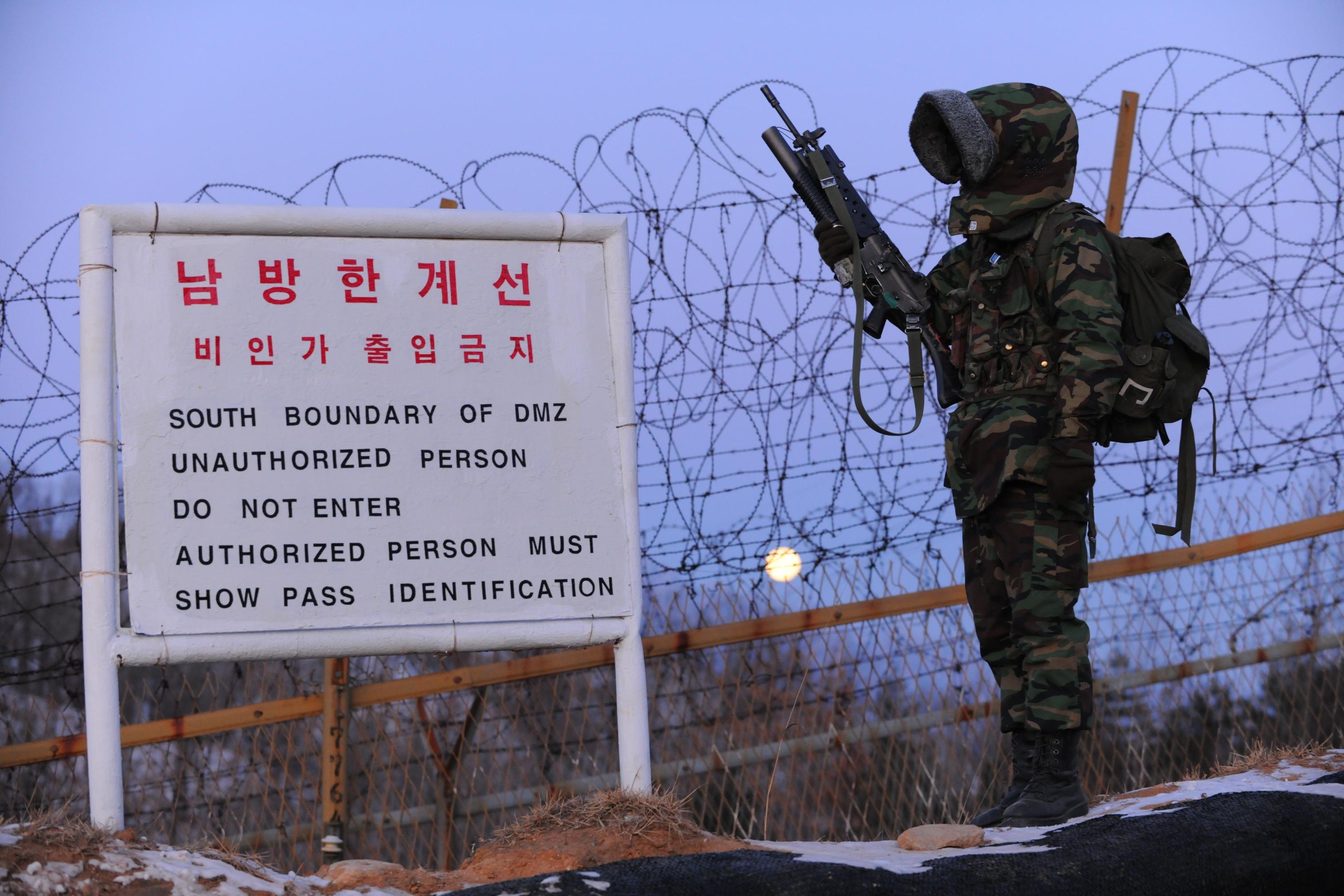
Capture the contrast between the historic red brick tunnel arch and the surrounding forested terrain at this restricted entry point. Stand near the visitor signage to frame the descent into the underground corridor used during a dmz tour from seoul half day.
Position your camera through the mounted telephoto lenses to zoom in on the North Korean propaganda village visible across the border. This vantage point offers the clearest line of sight for distant landscape shots of the Kaesong industrial zone.
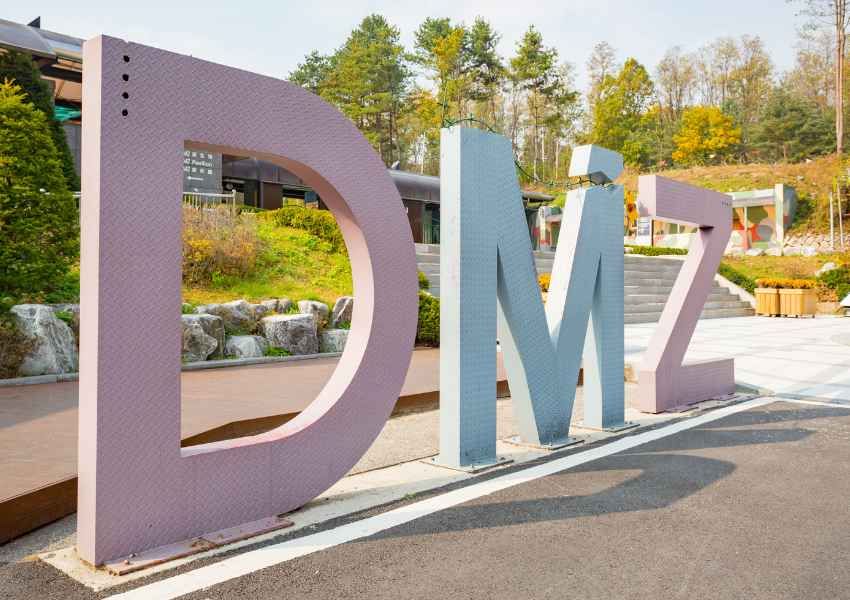
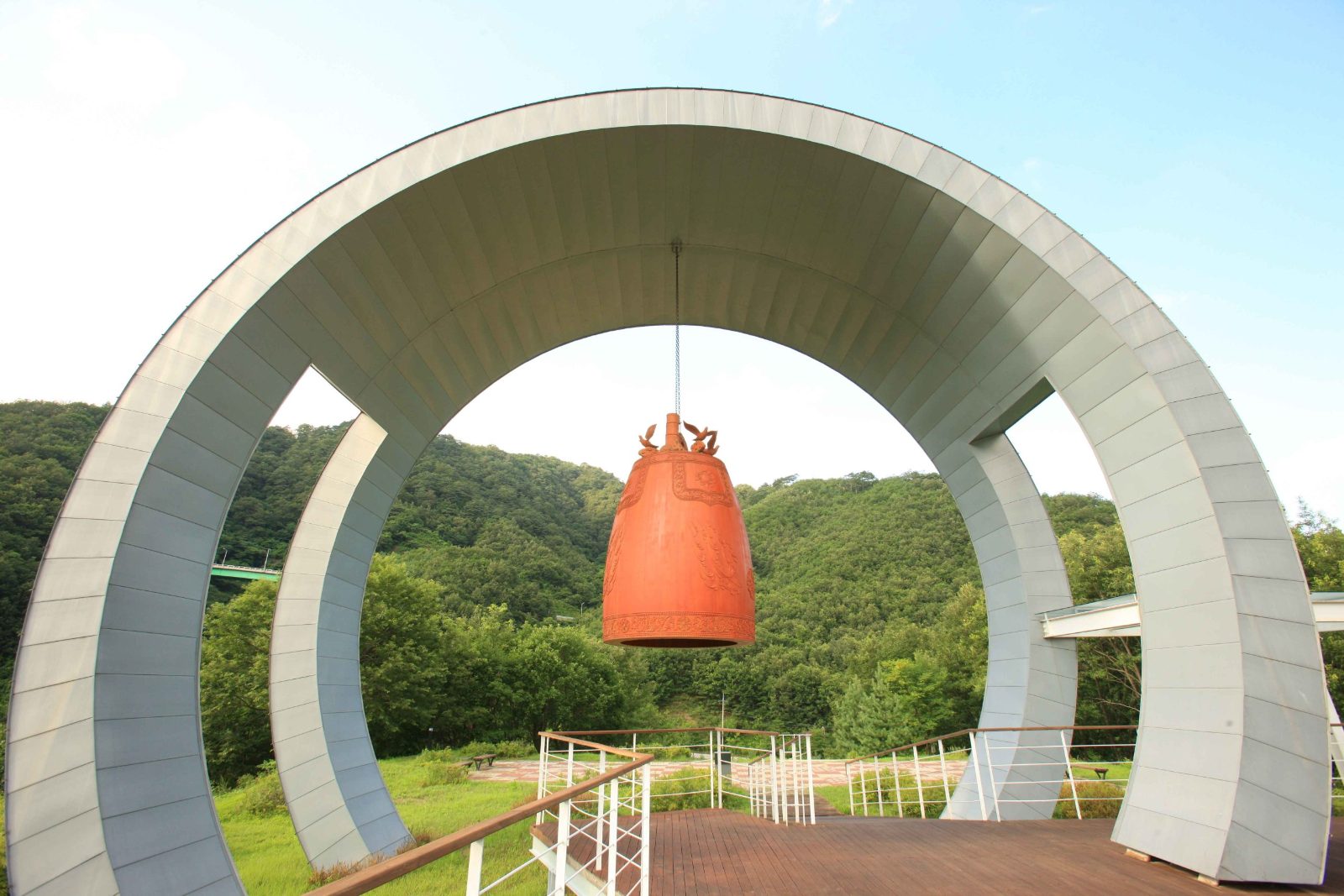
Frame the artistic sculptures and commemorative pillars that serve as central landmarks for visitors documenting their trip. This location provides a wide-angle perspective of the peaceful landscaping designed to contrast with the nearby military history of the Seoul border excursions.
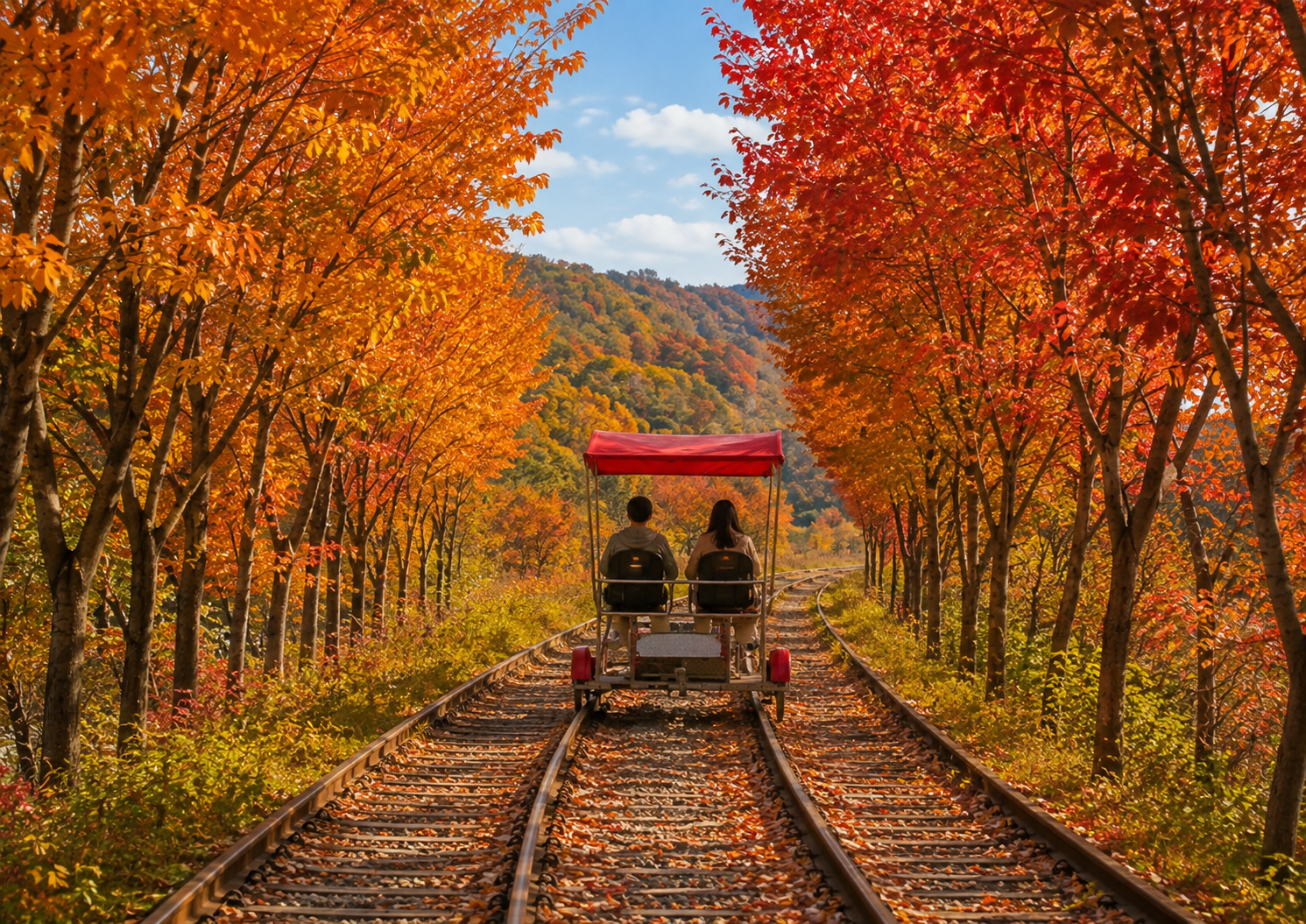
Focus on the rusted railway tracks and the empty platform that symbolizes the potential for future cross-border transit. The clean lines of the station architecture offer a stark, industrial aesthetic for those taking dmz tour from seoul half day tours.
Planning a dmz tour from seoul half day requires preparation, as navigating this historic Korean border site with children involves significant walking and strict security checkpoints. Families often find that keeping the experience focused helps maintain interest while exploring this significant Paju landmark.
The terrain includes steep inclines and tunnels which are not suitable for strollers, so plan to use a child carrier for younger visitors. Using a carrier makes navigating the 3rd Tunnel and monorail area much easier than managing a wheeled vehicle
This excursion is generally recommended for children aged ten and older who can manage the physical demands and follow complex instructions. The historical context and military environment are better suited for school-aged children than toddlers or infants
Basic restrooms are available at the site, though family-oriented amenities like nursing rooms are limited. Carrying all necessary supplies with you is essential as finding baby-change facilities on-site can be difficult
To ensure your dmz tour from seoul half day tours go smoothly, aim for the 09:00–14:30 arrival window as tickets often sell out early. Expect significant walking between checkpoints, so prioritize comfortable footwear for every family member
Dining options inside the restricted zone are extremely limited, so pack sufficient snacks and water for your group. Consuming food in designated areas is necessary, as there are no casual cafes or restaurants within the immediate tour zones of this Seoul excursion.
Dining options at the 3rd Tunnel site are limited, so visitors taking a dmz tour from seoul half day often prefer packing snacks or eating before arrival. While simple concessions are available, choices are restricted near this Paju-si landmark.
Offers basic refreshments and simple snacks for those needing a quick bite before boarding the monorail for their dmz tour from seoul half day tours. It is convenient for a fast energy boost between exploring the 3rd Tunnel and surrounding military installations.;Dorasan Station Café
Everything you need to know for your journey
The site is open Tue–Sun from 09:00–14:30 and closed on Mondays.
Yes, ticketing for the 3rd Tunnel is limited and often sells out by mid-morning.
You must bring your physical passport or valid government-issued ID for security clearance.
Photography is allowed only in specific zones; always check with your guide.
Yes, though significant walking is required which may not suit all small children.
The 12,200 KRW base entrance fee for DMZ Peace Tour is typically included by tour operators.
The best arrival window is 09:00–14:30 as the site often reaches capacity.
Yes, large bags are prohibited and storage is limited.
The site is located at 210-358, Je3ttanggul-ro, Gunnae-myeon, Paju-si, Gyeonggi-do, which is a significant drive from Seoul.
Please check with your specific operator regarding their refund policy for the DMZ Peace Tour.
A large park featuring monuments and peace statues near the border line.
The northernmost train station in South Korea, symbolizing hope for future connection.
Historic bridge used by returning prisoners of war after the conflict.
Convenient access to DMZ entrance points for early tours.
Wide variety of hotels for those using a dmz tour from seoul half day operator.
Close proximity to major highways leading toward the border.
Join thousands of happy travelers who have discovered this incredible experience
Book Your Experience Now